Giovanni Succi Website
  • HOME
  • PORTFOLIO
    • PROJECTS
    • VISUALIZATIONS
    • OTHER 3D
    • PHOTOGRAPHY
  • RESUME
    • FULL RESUME
  • REVIT BLOG


Projects

CityScraper Competition [While at GS Design]

8/25/2020

 
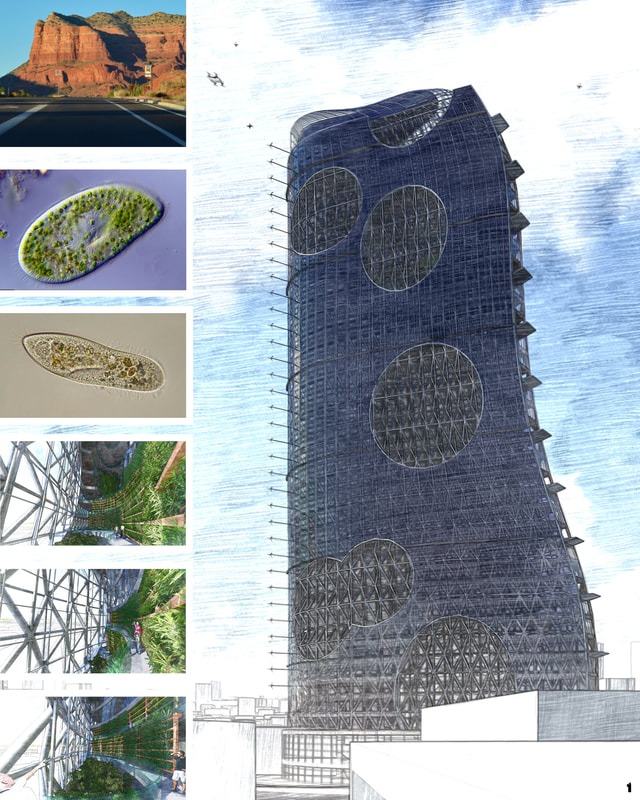
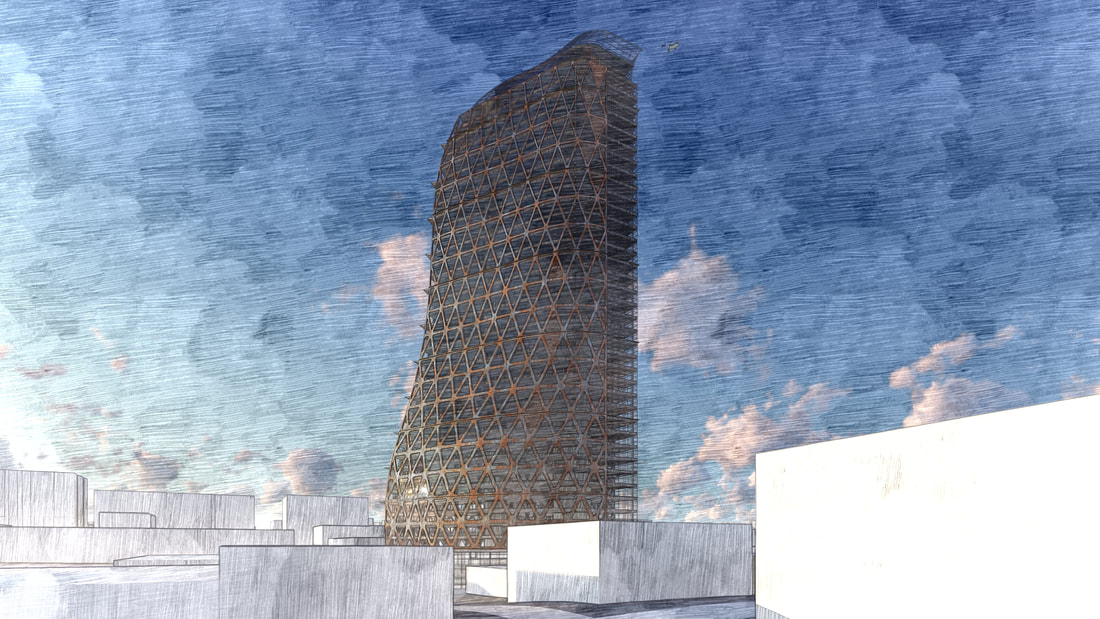
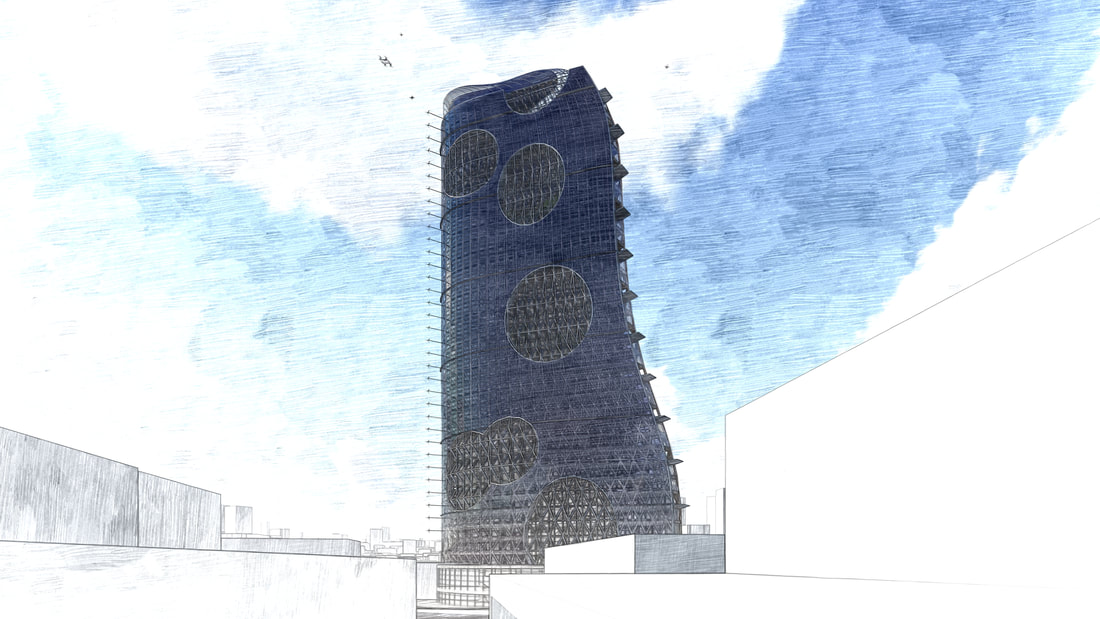
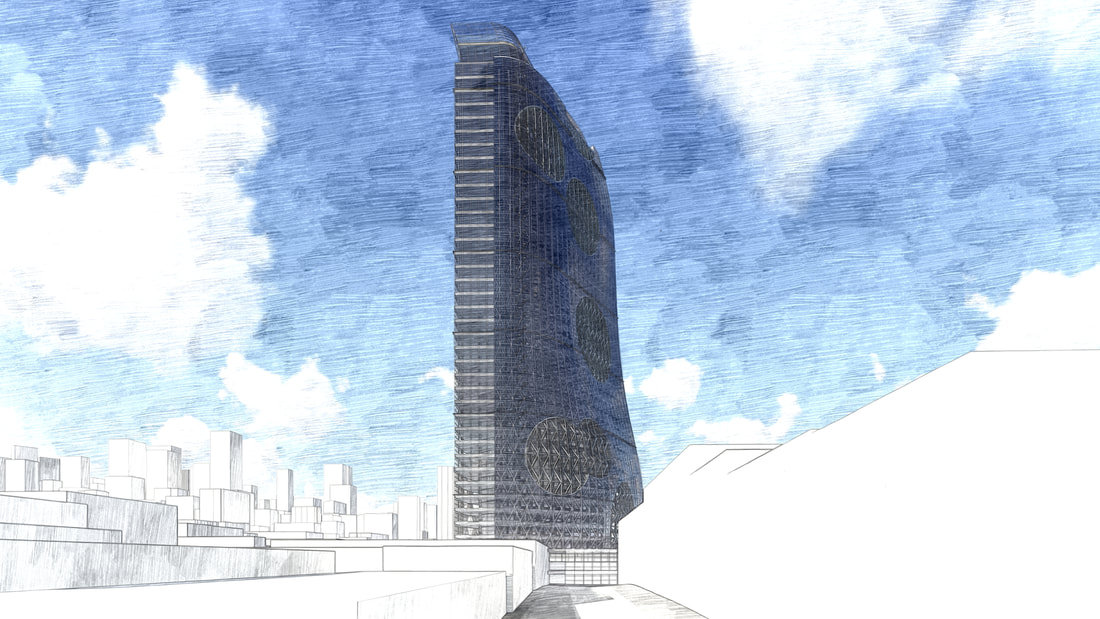
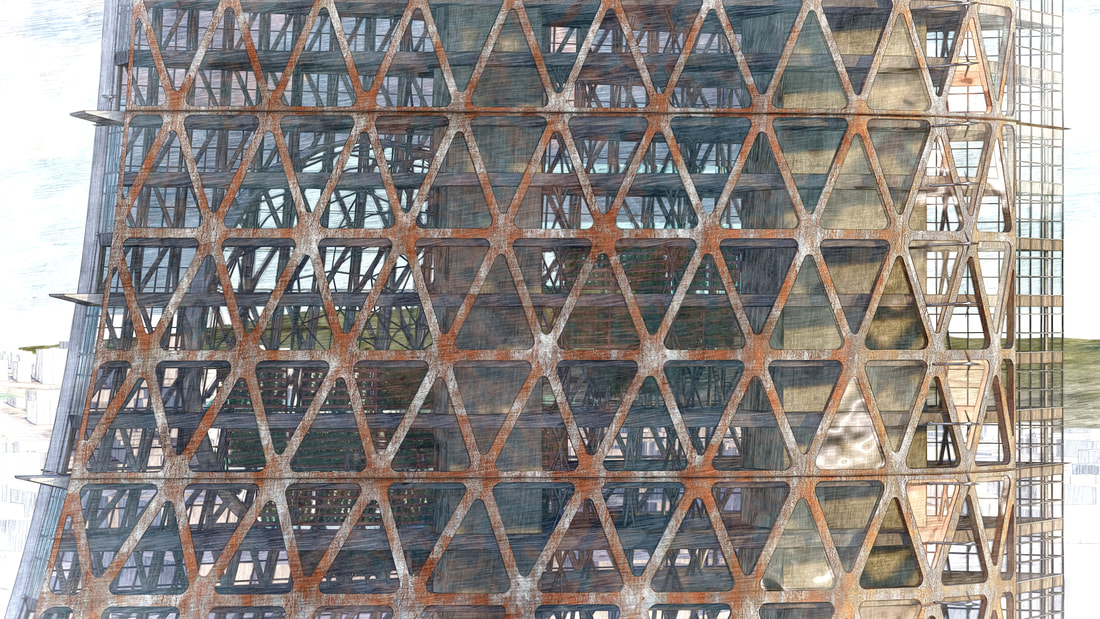
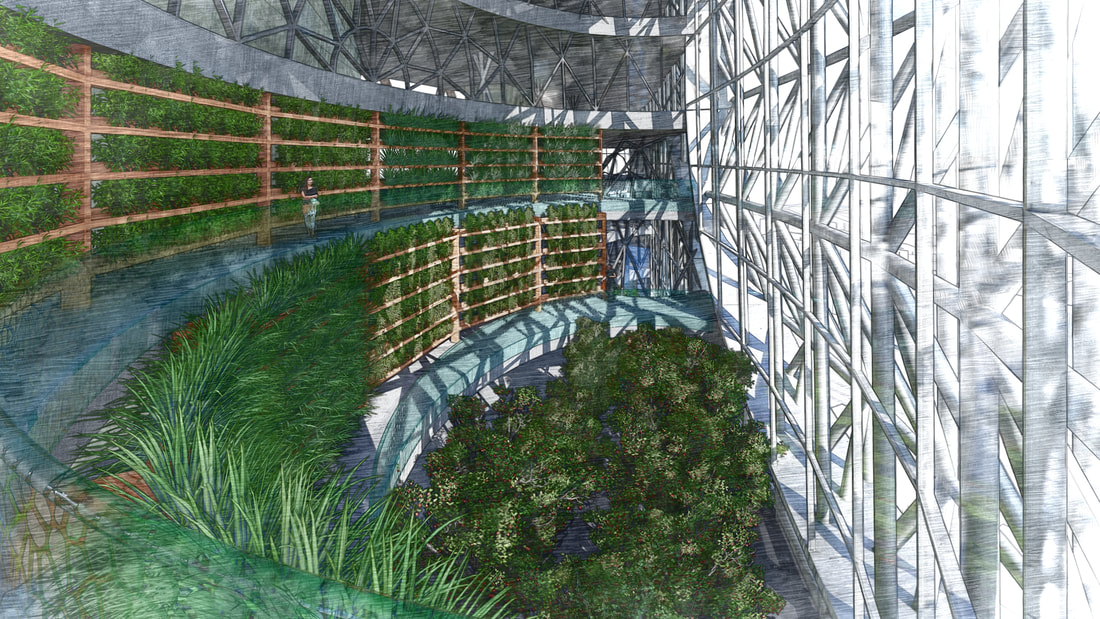
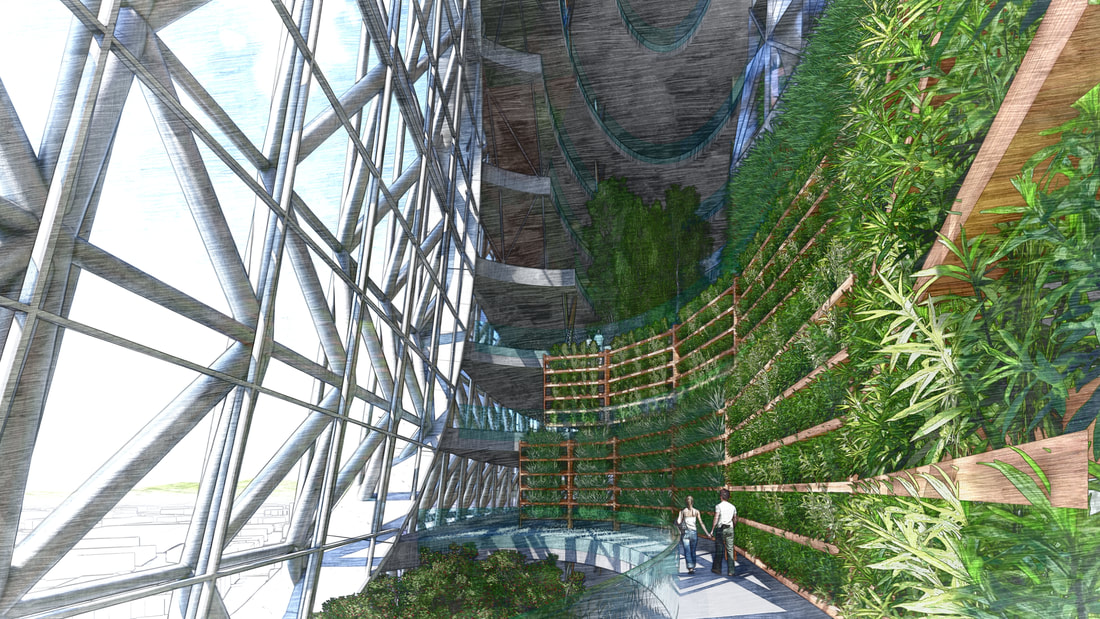
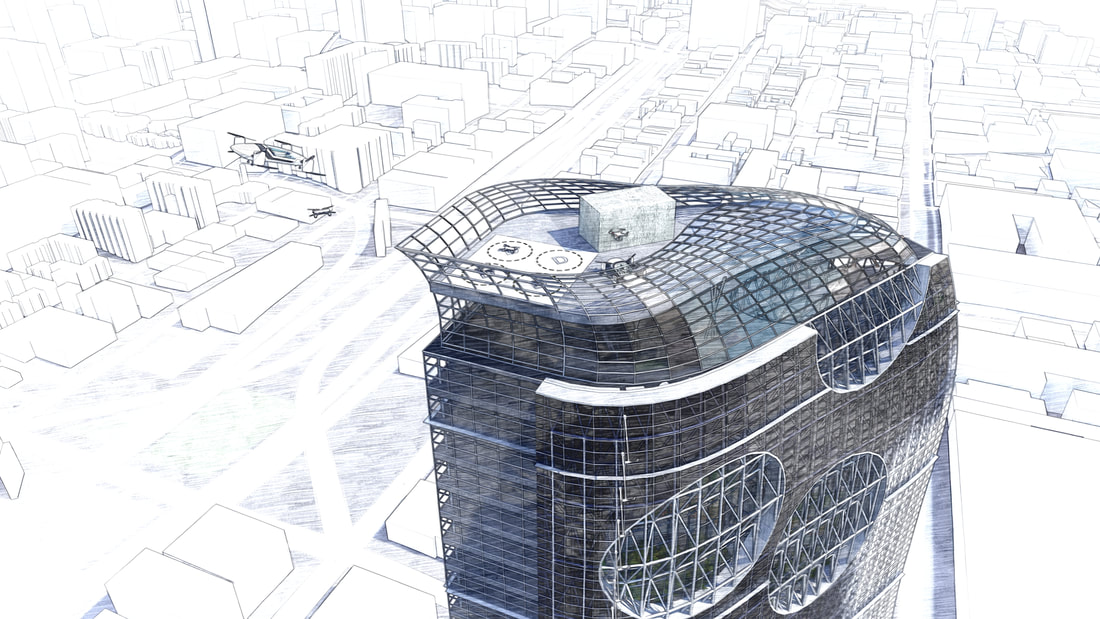
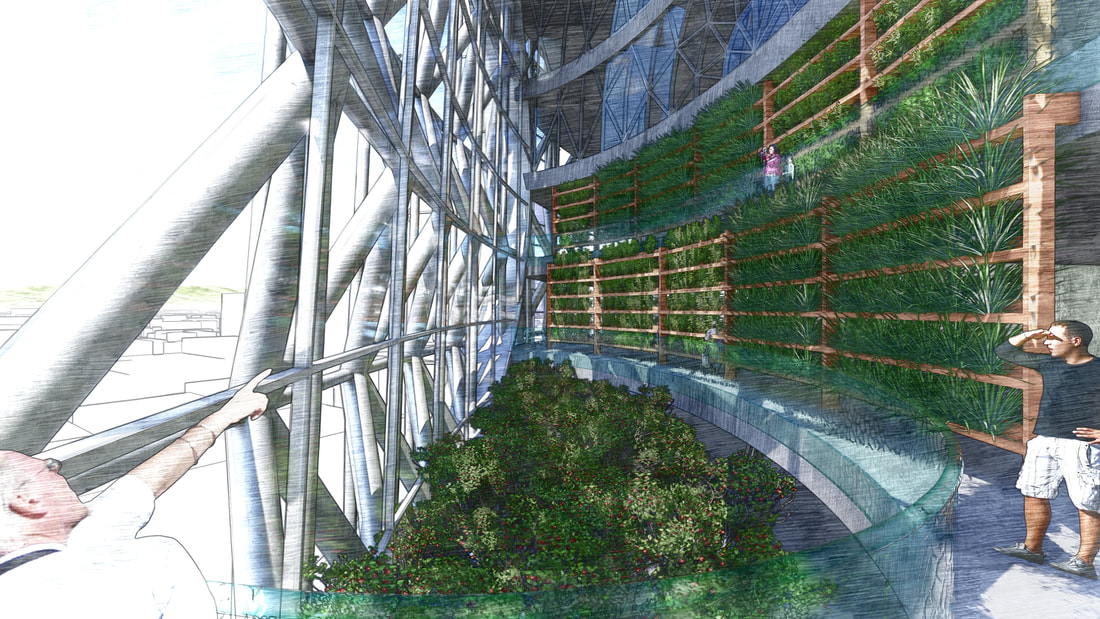
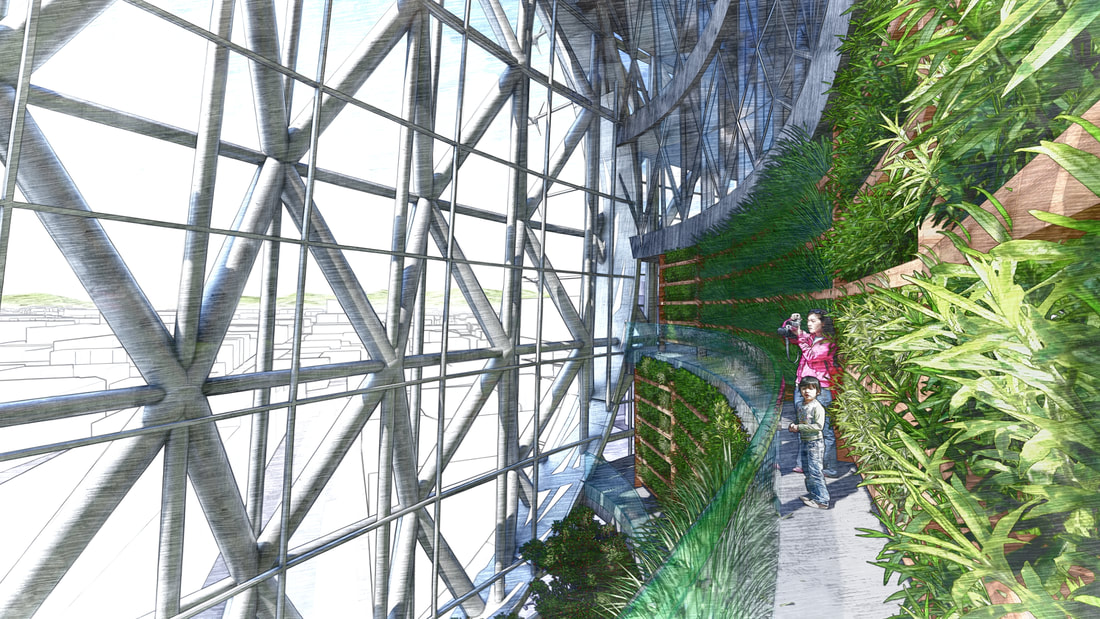
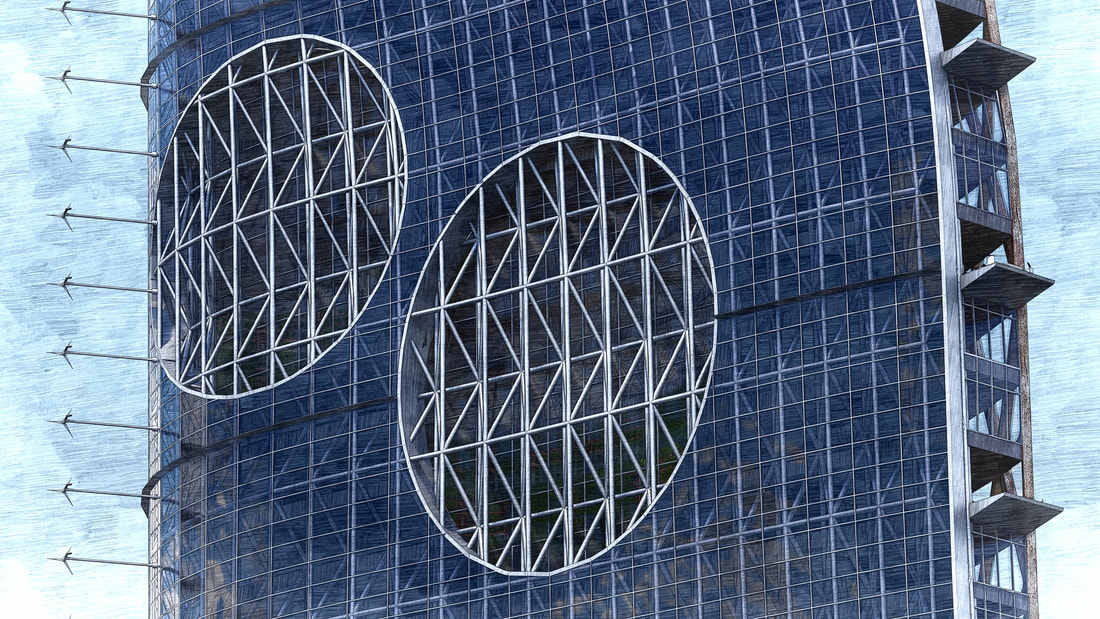
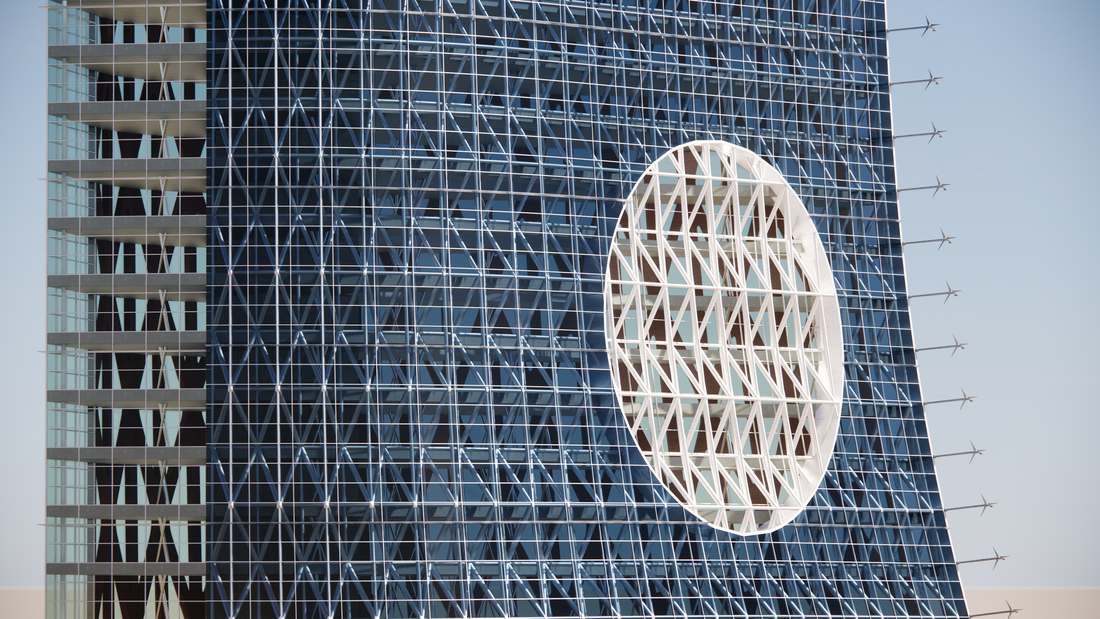
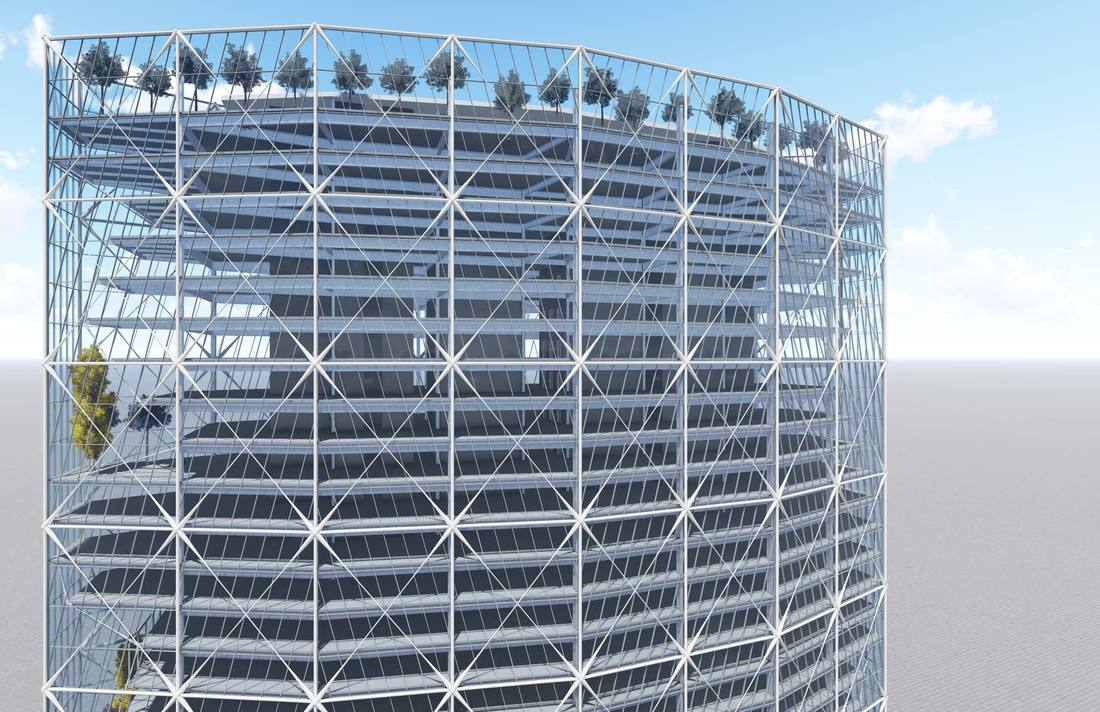
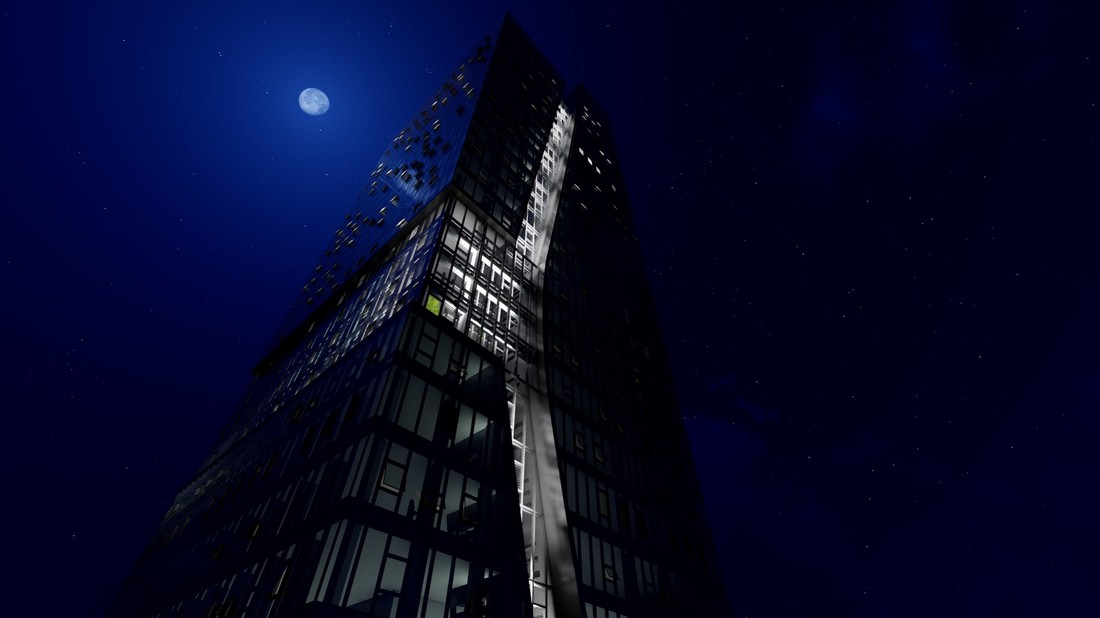
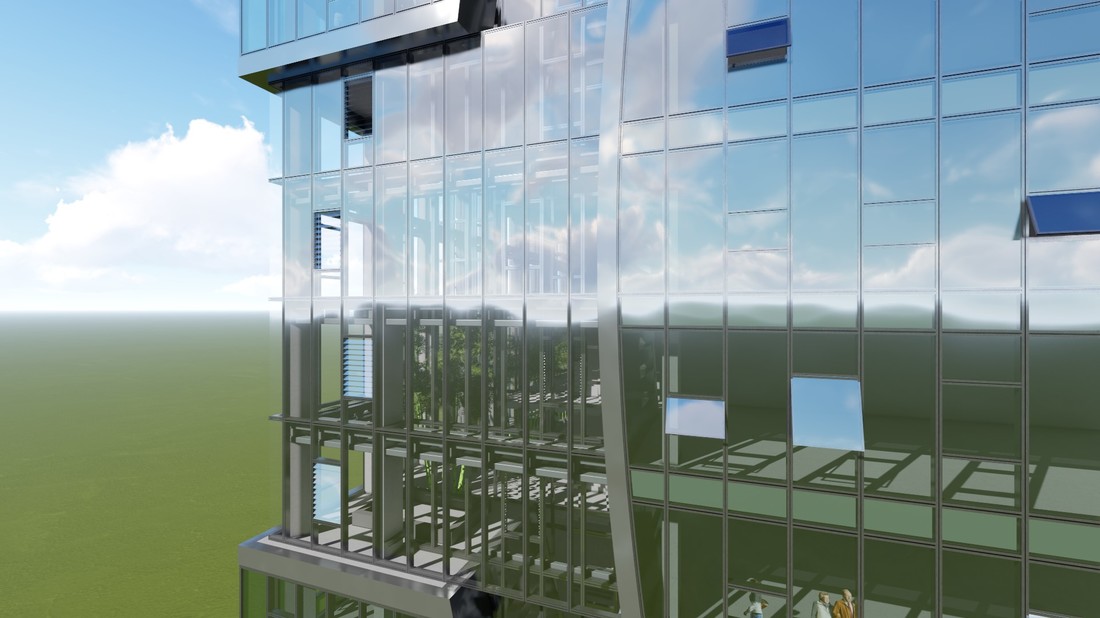
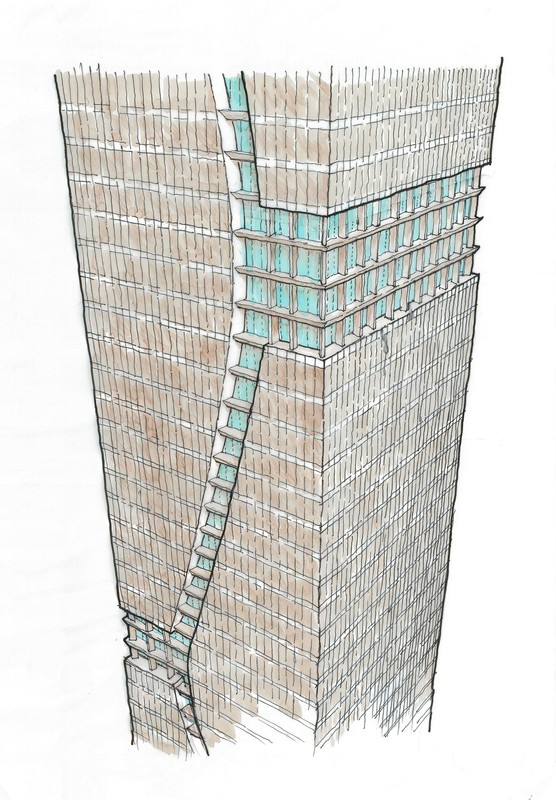
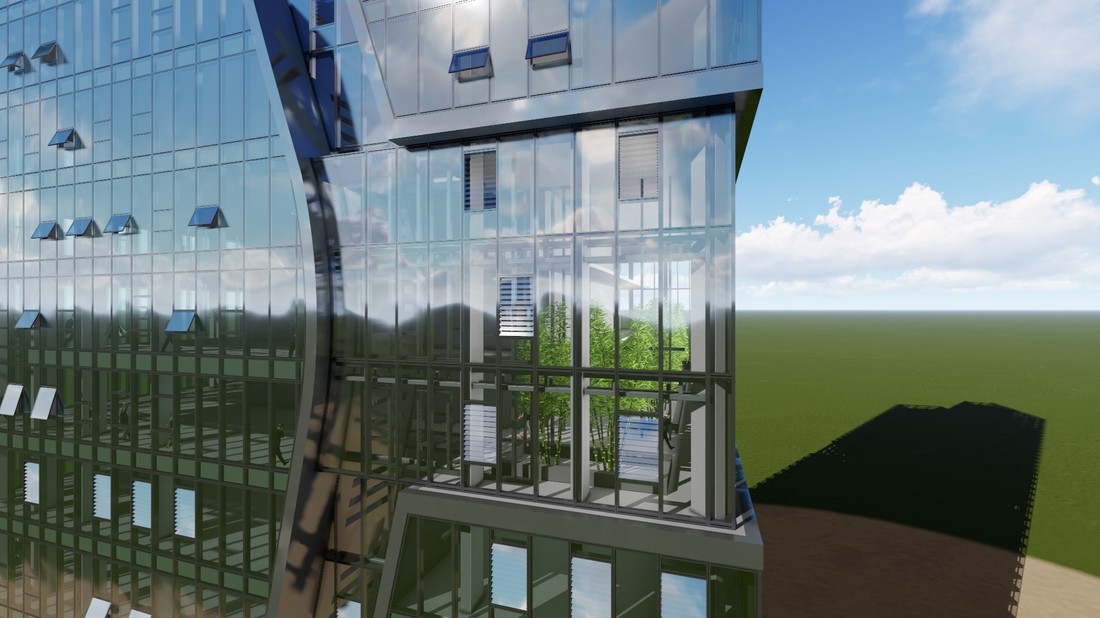
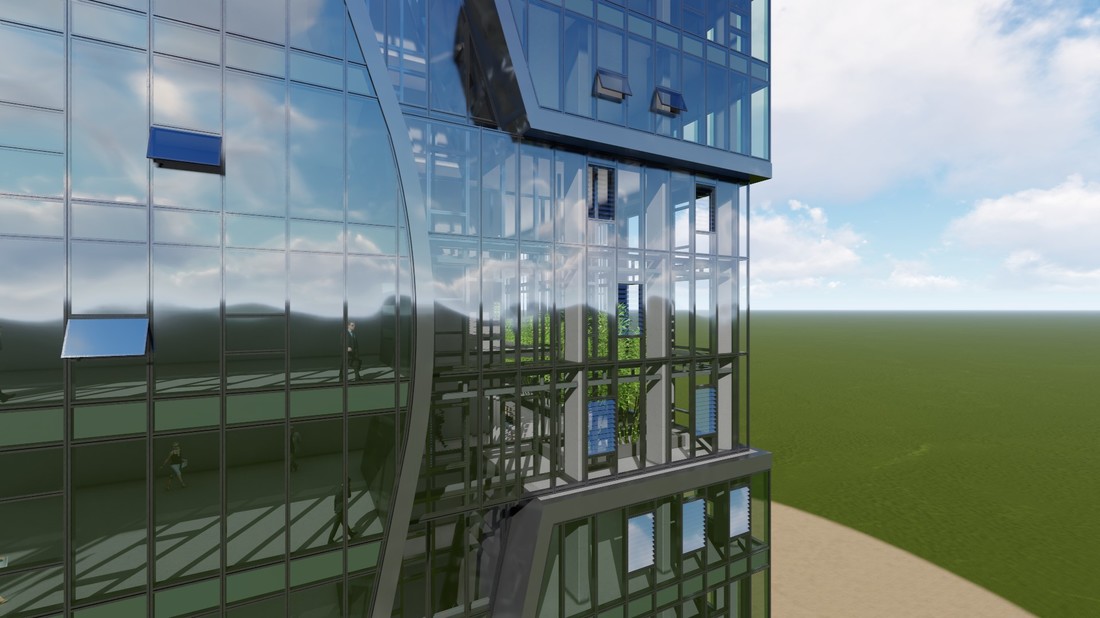
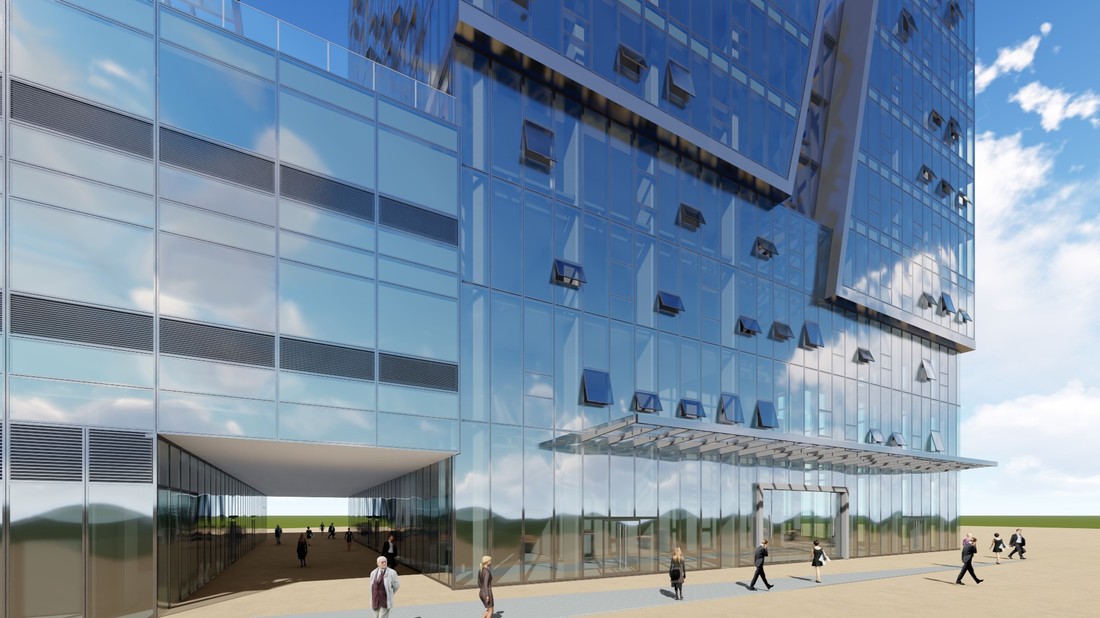
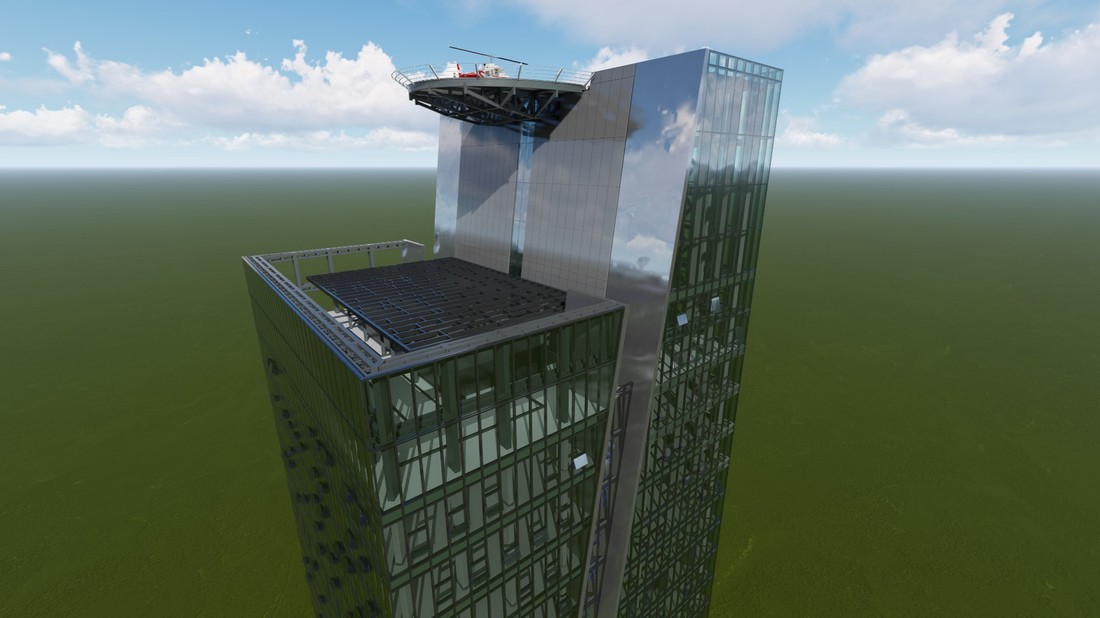
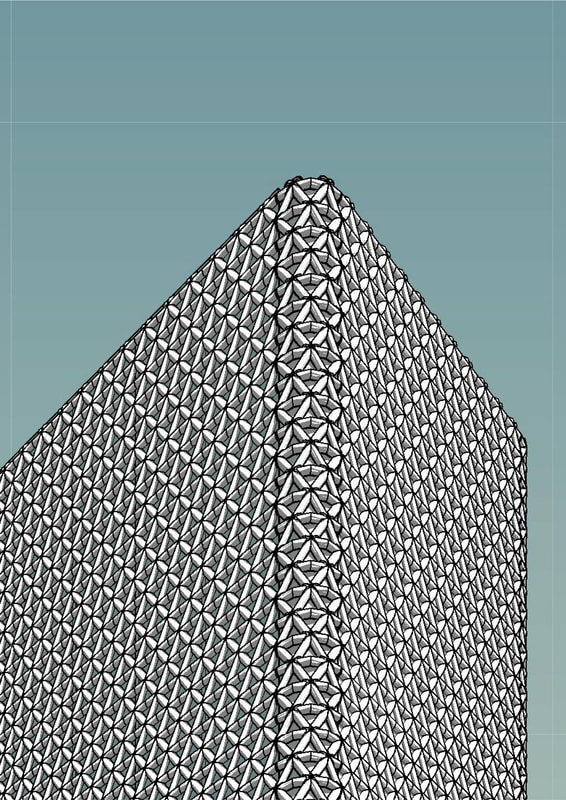
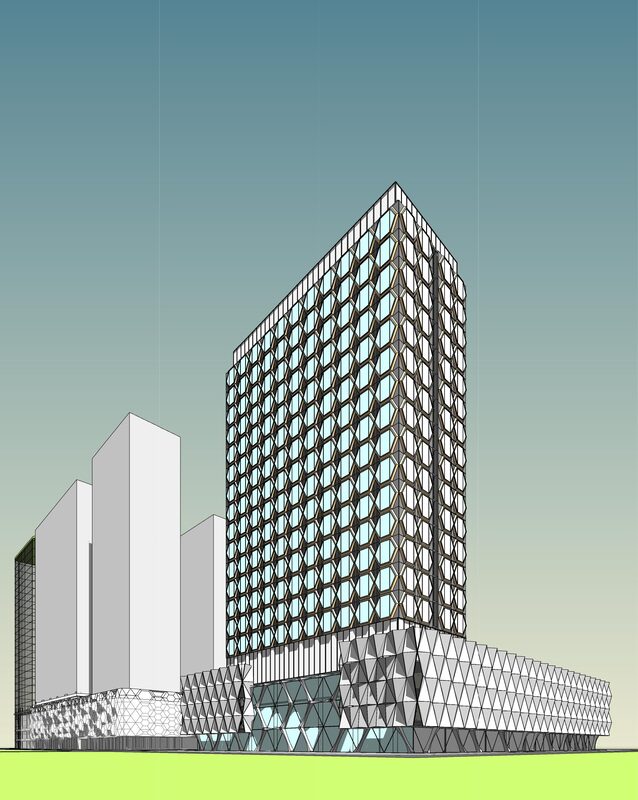
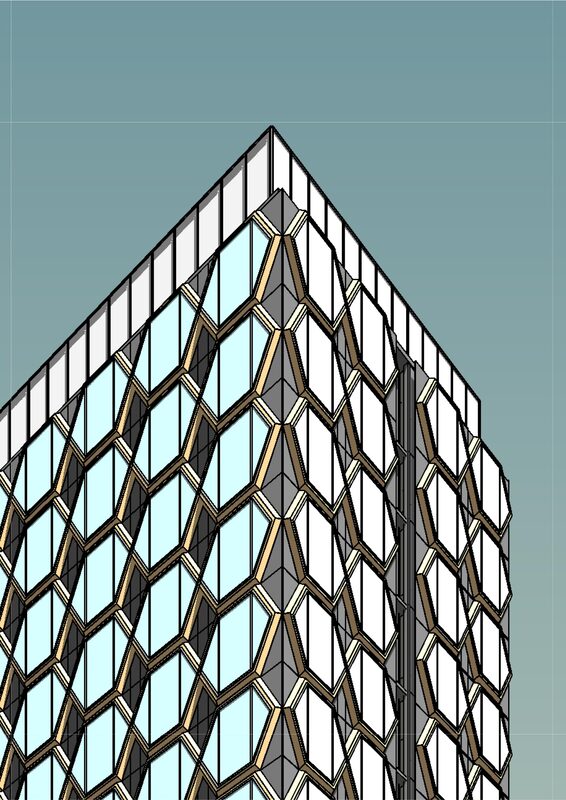
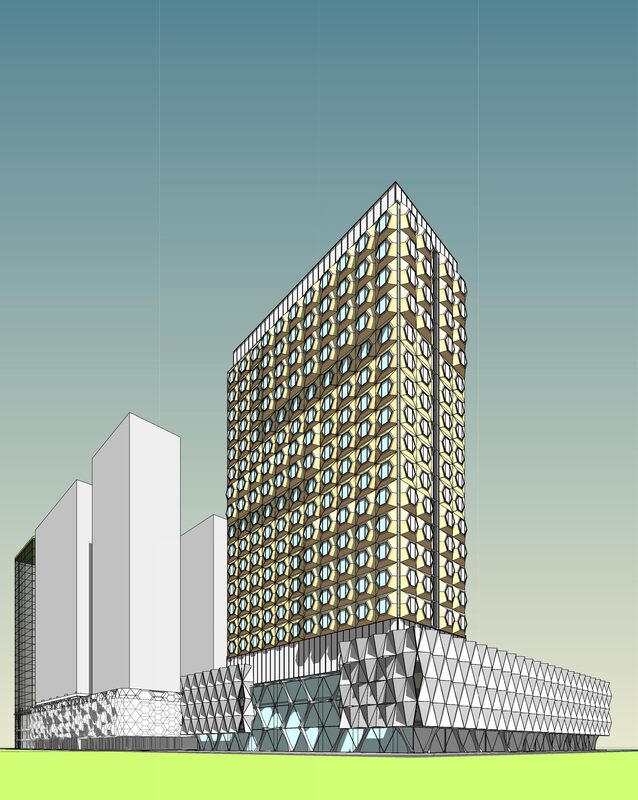
During the 2020 Covid crisis, I submitted this competition for a city scyscraper concept:  as per manifesto below, this building responds to the environment on all its aspects (insulation, winds, ground location) like a living cell does.  The building hosts different programs, including residential,  office, and commercial,  but it also provides agricultural and industrial components.
It follows the "Manifesto" for this competition:

Architecture cannot longer wait for an unlikely political will to respond to the planetary emergencies of overpopulation, pollution, and global warming.  Buildings cannot longer ignore their orientation to the sun path, or their local weathering patterns, and they cannot longer be passive consumers of energy and water, and be waste factories.  Acknowledging the failure of globalization (which creates more pollution, social inequality, and unsustainable supply chains) architects and building designers must now help implement localization, while creating self sustainable structures.
This does not describe a building-island concept (able to subsist within wastly different contexts while ignoring them); rather the idea is of a living cell, able to interact with its context along much of its envelope (membrane) rather than just the point of contact with the topography.  Drone techology will allow the CityScraper to interact with its immediate urban context at unprecedented levels.

However, buildings of the 21st. Century also must:
  • Use recycled construction materials (steel, concrete, plastics, glass, etc.).
  • Leverage all energy producing technologies, including solar, wind, and hydro-power from water pressure reducing valves and gravity black and gray water drain systems.
  • Reduce their HVAC systems as much as possible, using strategies such as natural ventilation, solar exposure, efficient elevators, heat pumps, thermal masses, etc.
  • Maximize rain and storm water collection, recycle and reuse in site, and include a black water treatment plant.
  • Maximize waste recycling in site, using wood and metal shops in order to re-process and re-purpose the recycled materials.
  • Maximize plastic recycling, no matter the cost.
  • Reach a sustainable urban density (much lower than downtown distrcits, but much higher than urban sprawl).
  • Provide for a low cost mixed use of residential, commercial, industrial, and agricultural programs.
  • Maximize food production in site (mostly agricultural produces, but it is also feasible a small component of animal farming).
  • Leverage 3D printing technologies to be able to produce tools and parts, locally.
  • Leverage drone technology to provide fast and secure transportations of goods and people to and from the surrounding urban context.
  • Leverage Building Automation Systems (BAS) by sharing (big) data across the region in order to adjust the building energy use in real time (using atmospheric data, occupancy load and types, date and time, etc.).
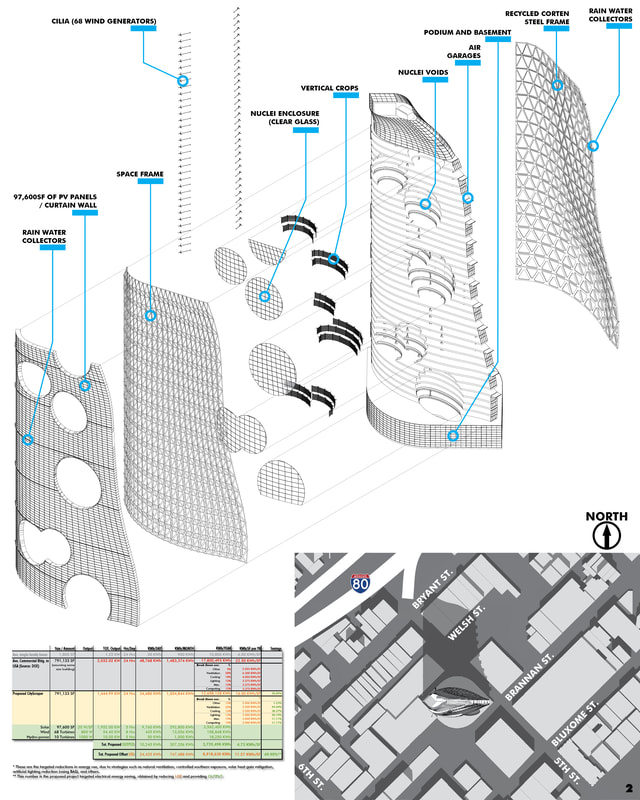
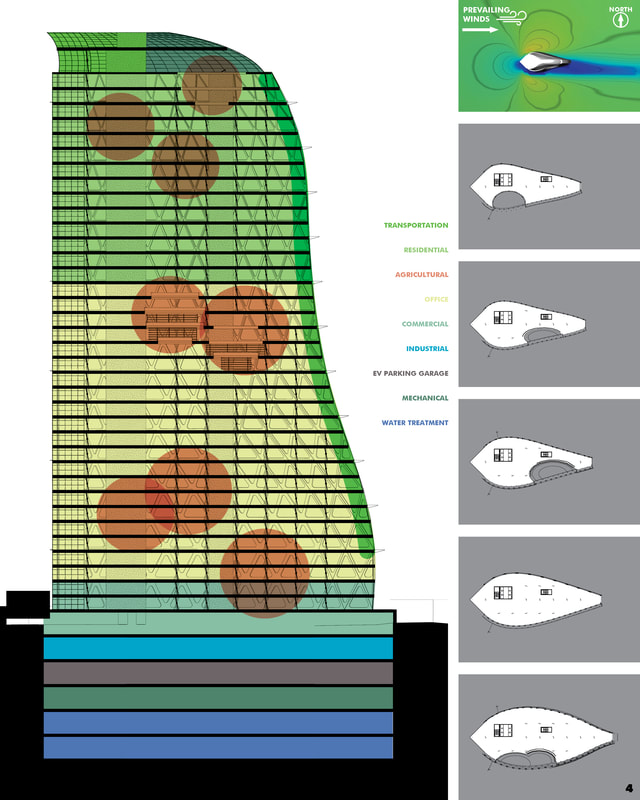
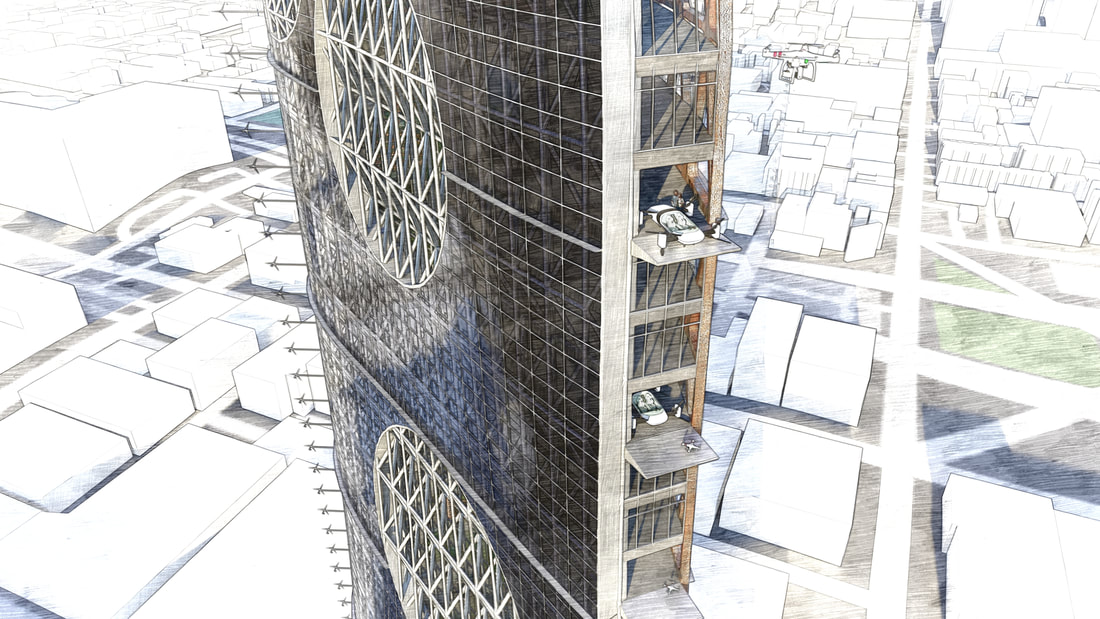
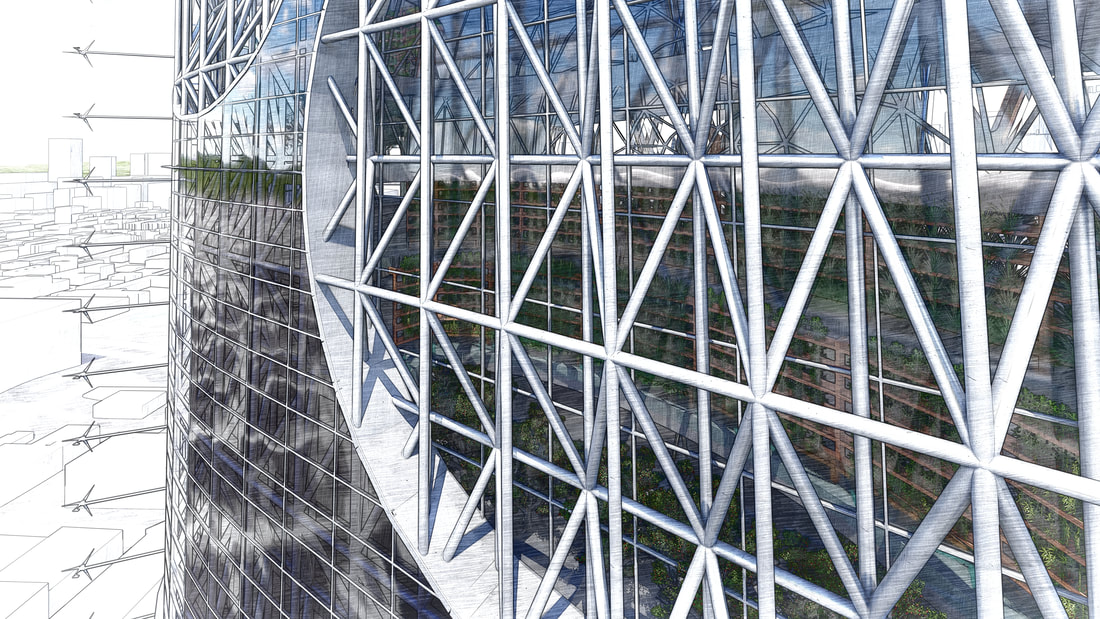
  1. Shape: the proposed building form is created by wind flow and solar exposure.  The typical floor plate behaves like a symmetric airfoil oriented West to East. A quick air flow study shows that the prevailing West-East winds of South of Market create two areas of high speed flows, approximately at the widest point of the building.  There, small wind generators capture the faster wind motion. The airfoil then gently converges toward the East “trailing” edge, where a zone of very low speeds is created. In this area are located the building drone docks, sort of “air garages” from which airborne vehicles can safely take off.  The South facade uses PV Glass as the main curtain panel, for energy production. Toward the West, the space frame creates a gap which allows air to infiltrate the skin of the building, thus creating natural ventilation behind the southern facade.  Both PV Glass on the South and the curtain wall on the north are designed with the glass panels as flush to the frames as possible, in order to provide for a smooth surface for optimal wind flow.
  2. Site: the San Francisco South of Market district still maintains its low rise industrial nature.  At the proper distance, the proposed CityScrapers can receive the wind and solar exposure they require to optimize energy production, while increasing density to a sustainable level without the overshadowing of the downtown district.  Also, safety for airborne vehicles routes require more clearances than normally available in downtown areas.
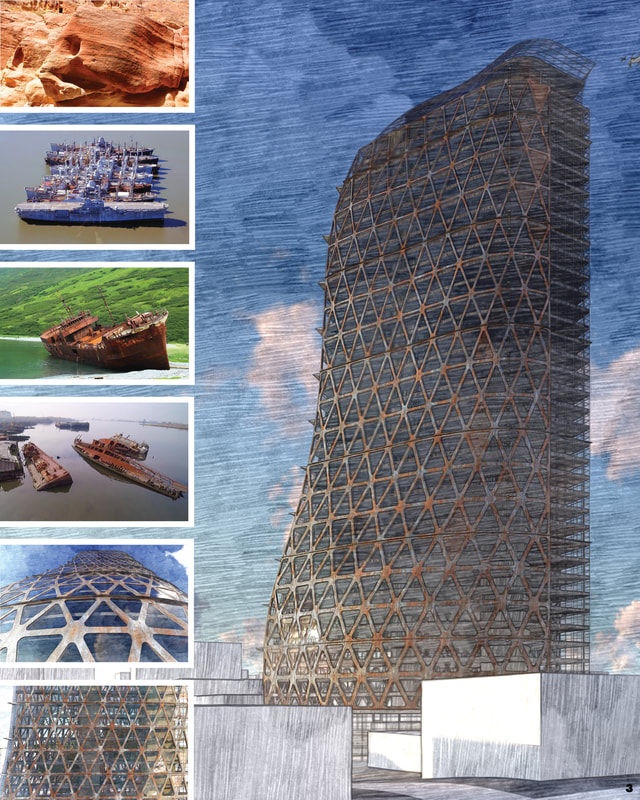
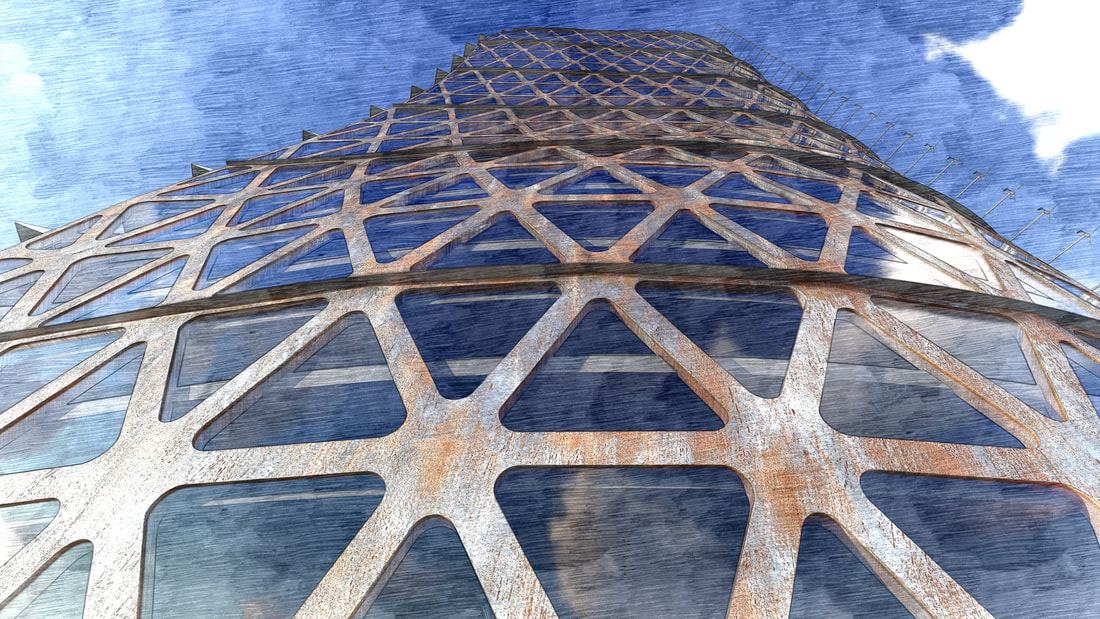
  3. Structure: because point load supports (columns) and lateral bracing have overlapping roles (namely, they can both support vertical loads), vertical columns can be rendered obsolete. The proposed building uses two different structural exoskeletons, which are able to provide lateral support: to the South, a space frame onto which the PV glass are installed also supports the edge of slabs, while providing shear resistance; to the North, a recycle corten-steel frame also supports the edge of slabs while providing shear resistance.  Interior columns are angled to provide some degree of lateral support (if required); the core walls can thus be thinner since they have no shear resistive role.
  4. Program: the proposed CityScrape hosts a mixed of residential, office, industrial, and agricultural programs.
  5. Urban Context: the proposed CityScrape is connected to the city via airborne electric vehicles which make only a few minutes long trips to most of the city destinations, possible today with no additional advances in battery technology.  Also, the building is open to the public, and its ability to grow produce makes it a market place (beside a residential hub, and a work place).  Excess of food production can be redistributed to the adjacent neighborhood, also using short-distance micro supply chains.
  6. Life Cycle: because of the speed at which technology advances, the building should be designed using an open, modular concept which allows it to be easily upgraded with the latest technologies in solar energy harvesting, wind generation, data gathering, gray and black water recycling, and more.  In other words, no system should be implemented today which cannot be easily upgraded tomorrow, since, in general, architecture greately outlives technology.

ArcelorMittal HQ, Luxembourg [While at Fuksas]

3/6/2017

 
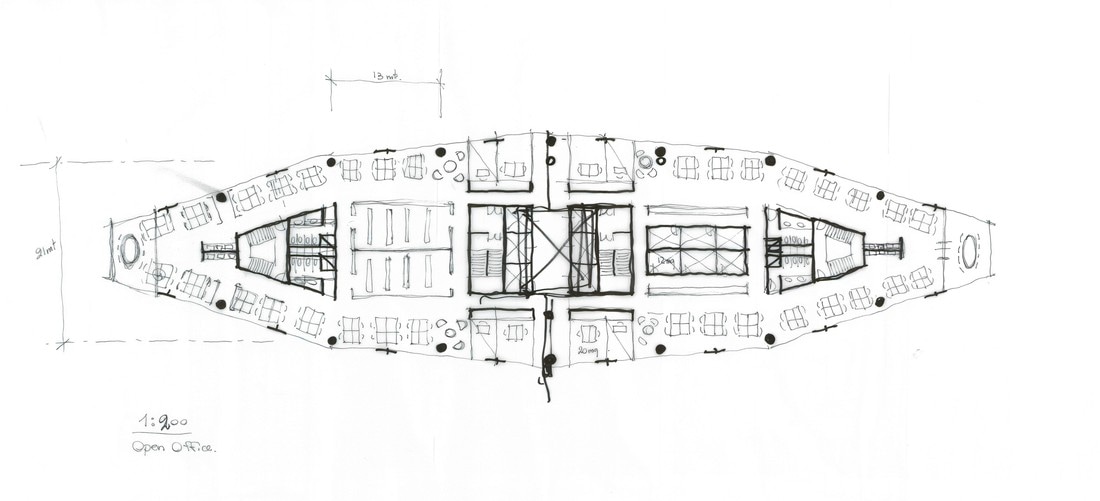
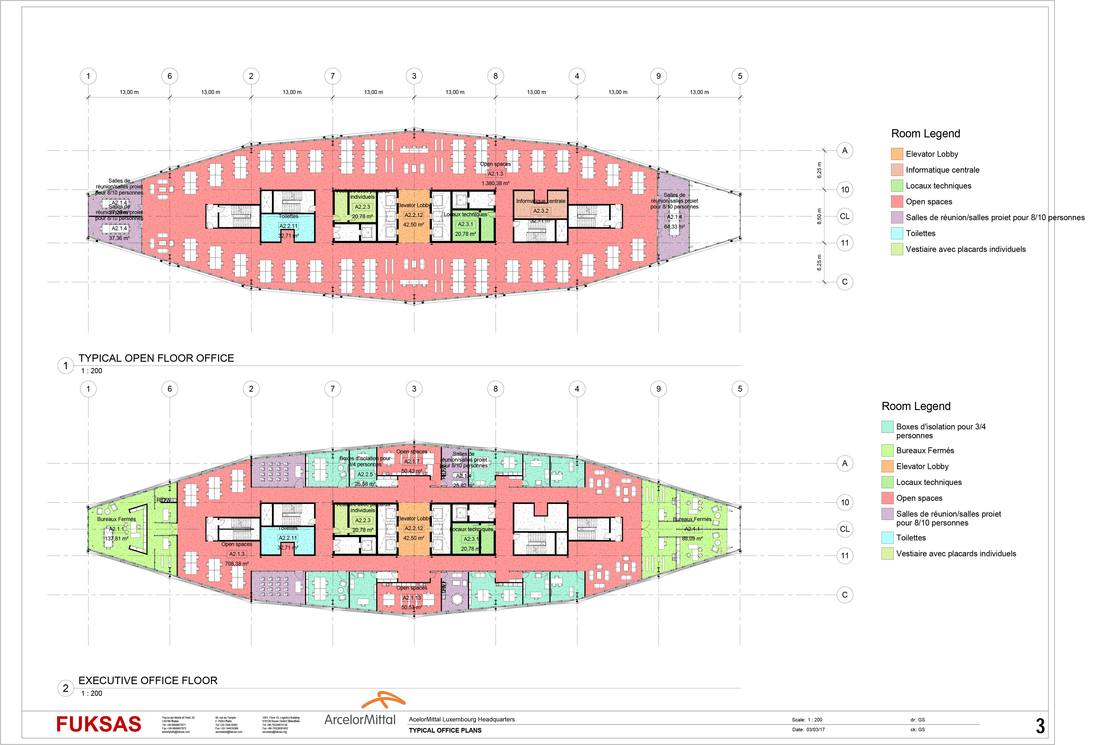
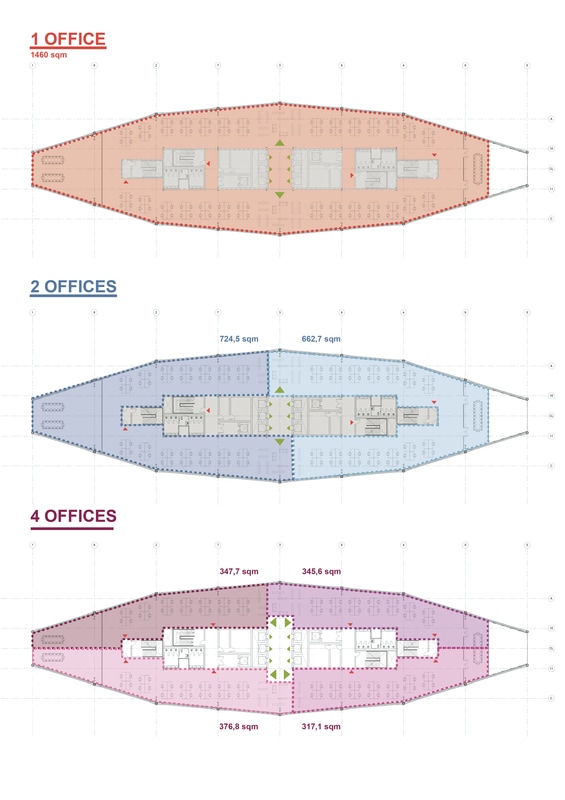
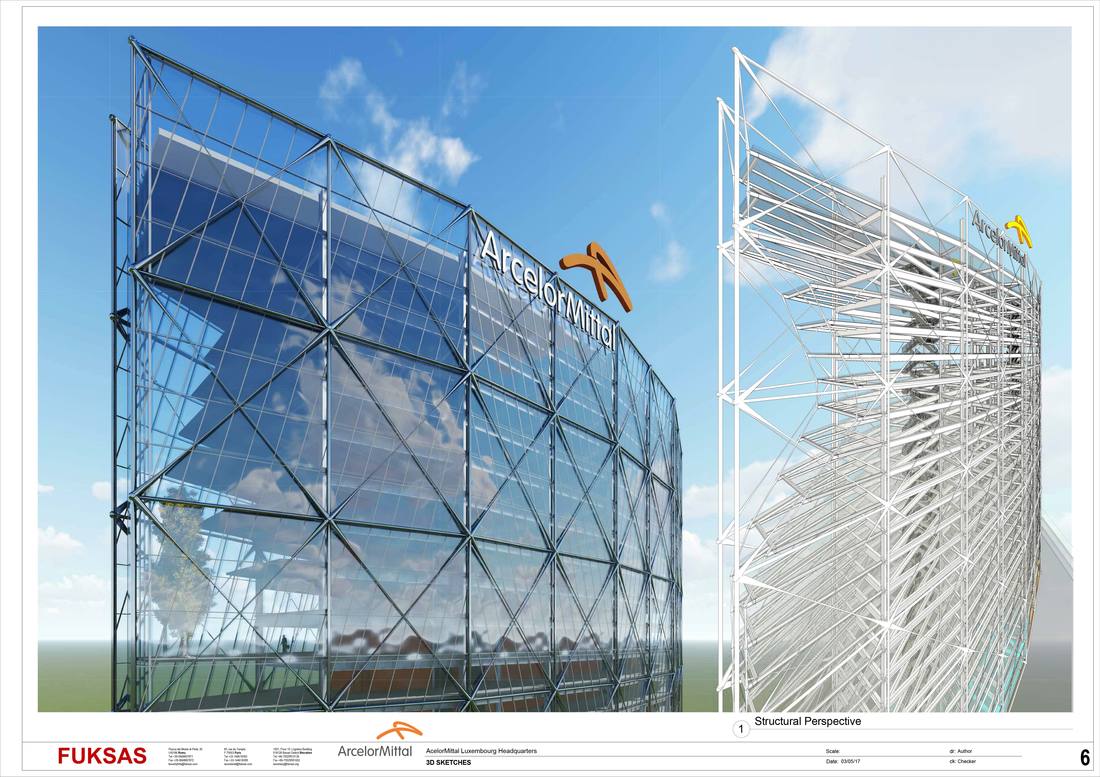
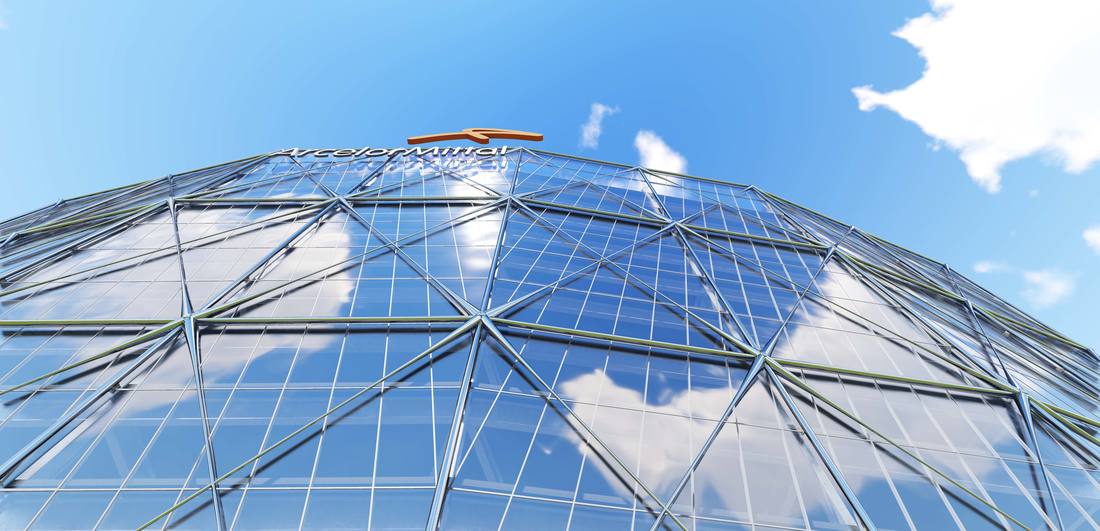
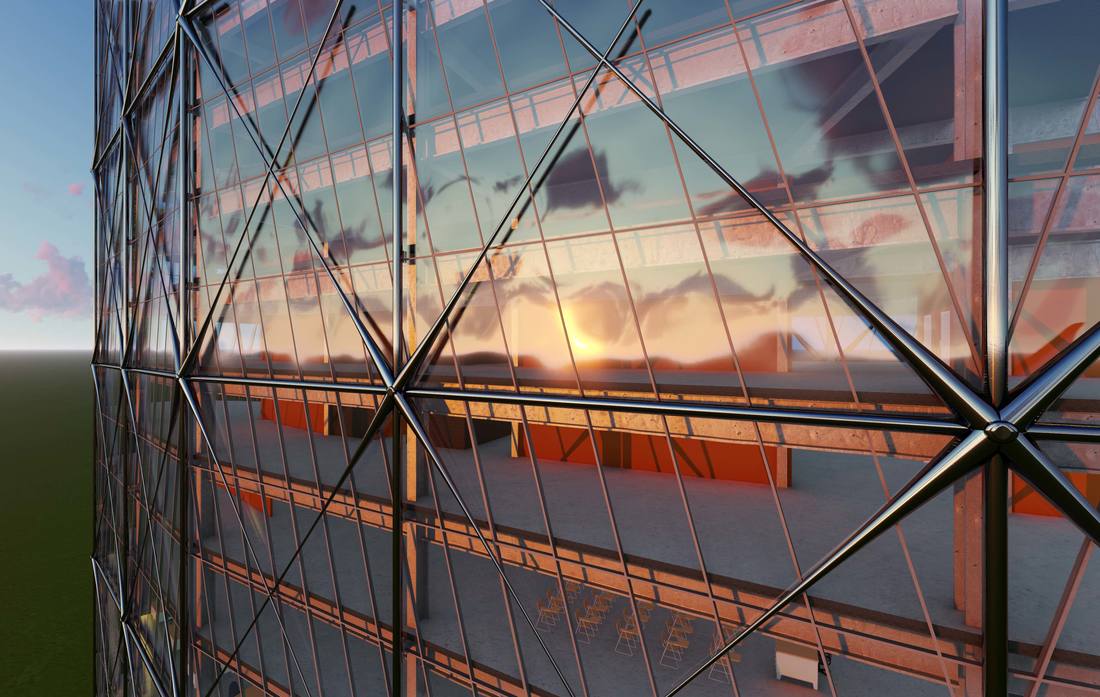
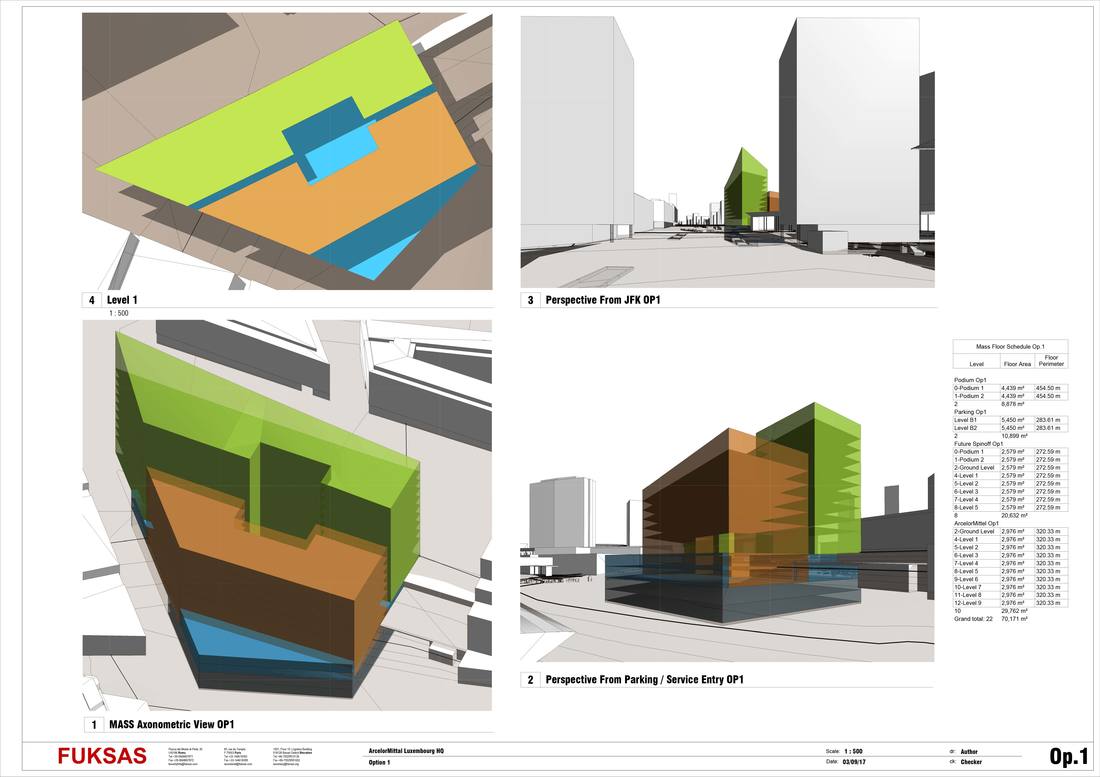
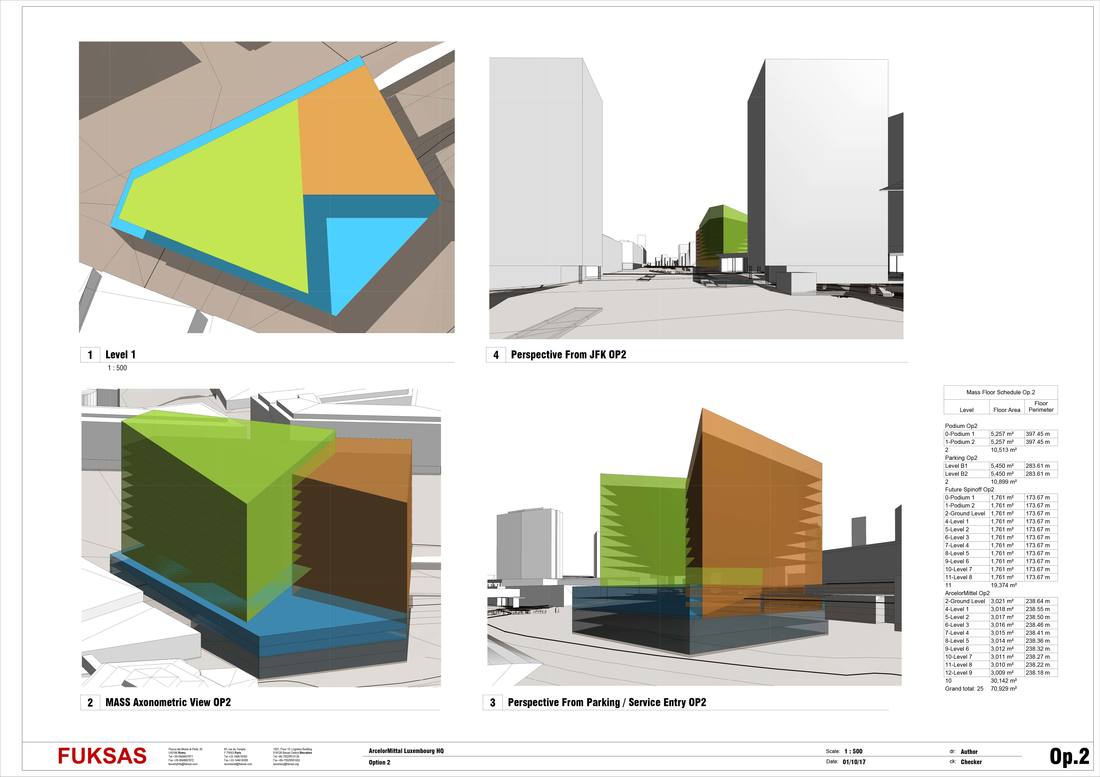
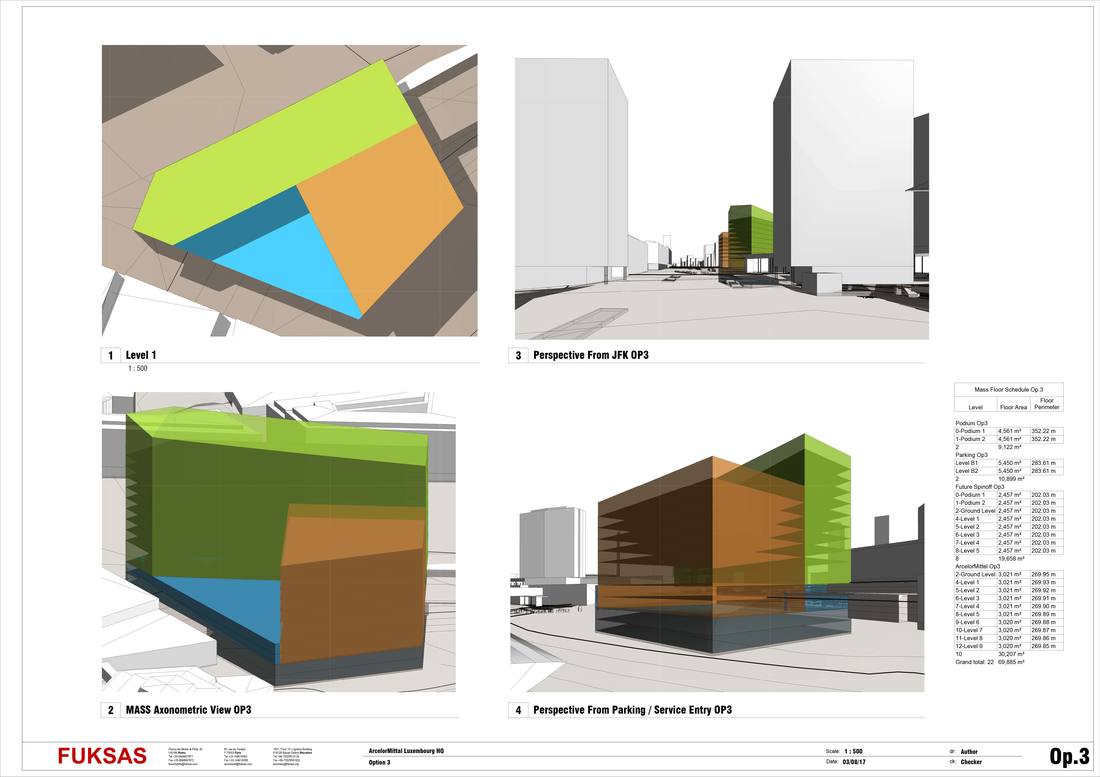
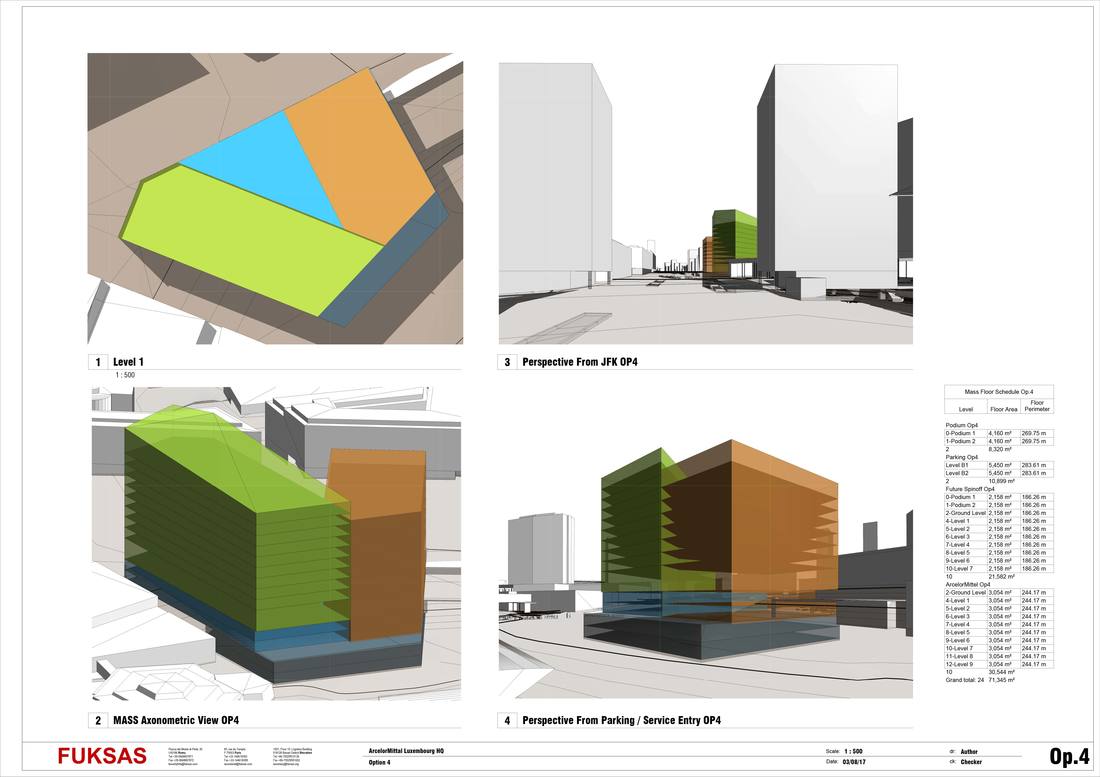
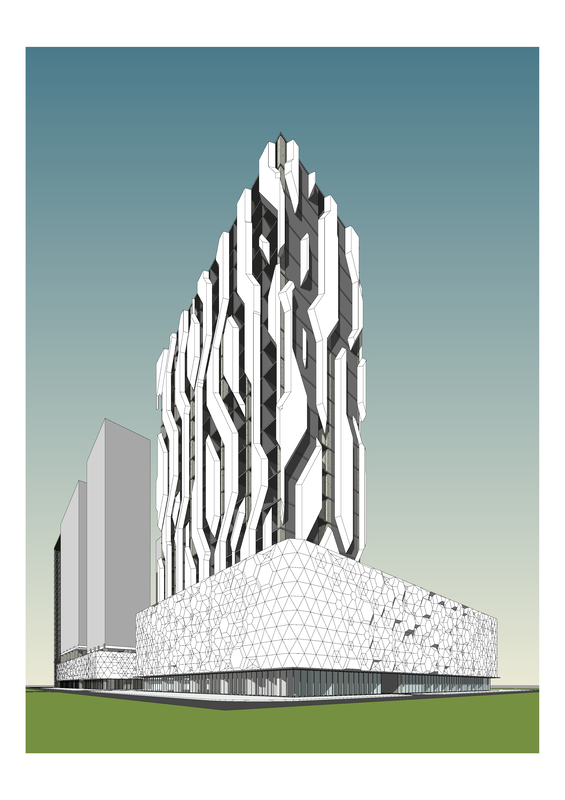
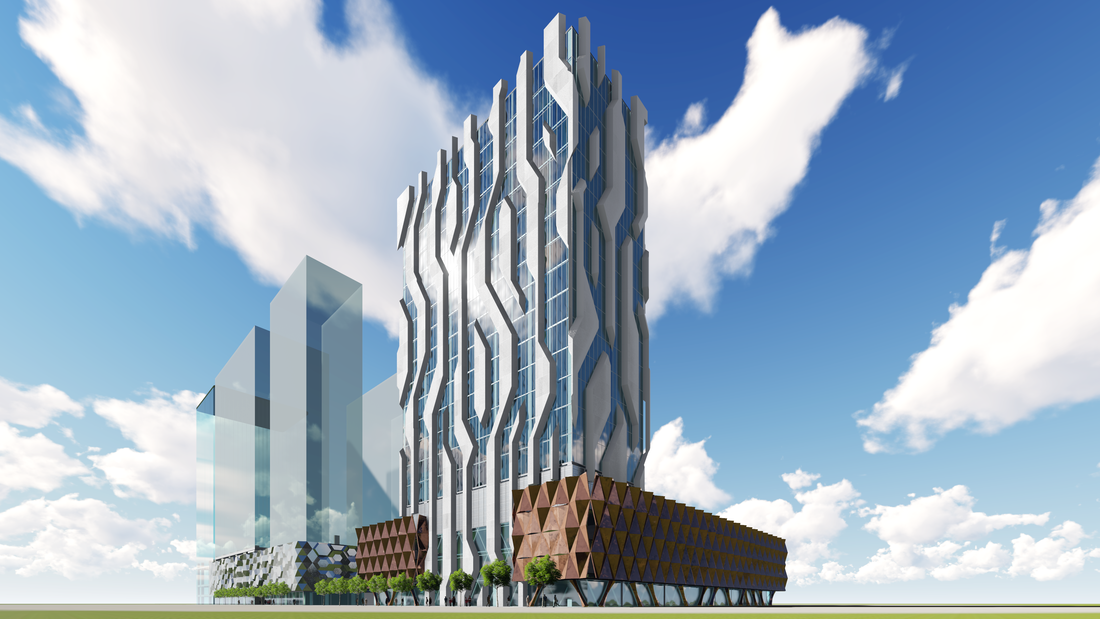
For this closed competition I was asked to assemble a team and develop the building concept created as a Plexiglas scale model. Within a week I modeled a Revit version of the building, and the team produced a presentation for a meeting with a client representative (and one of the competition judges) who helped the studio with important feedback.

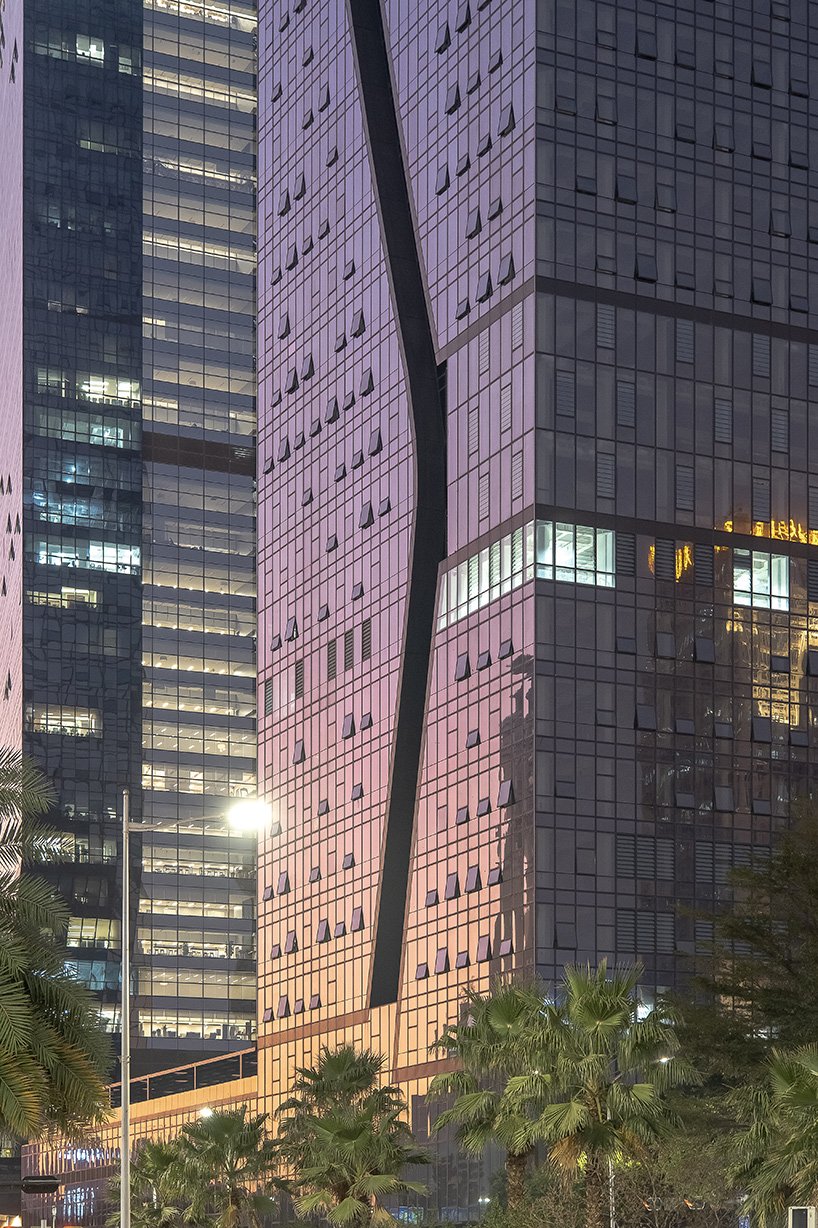
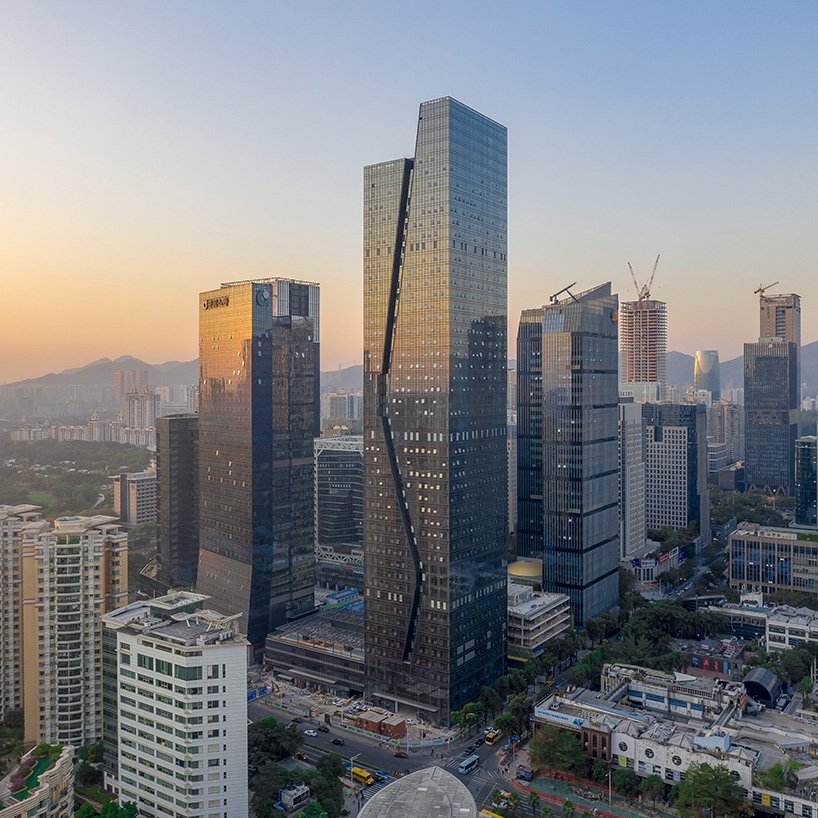
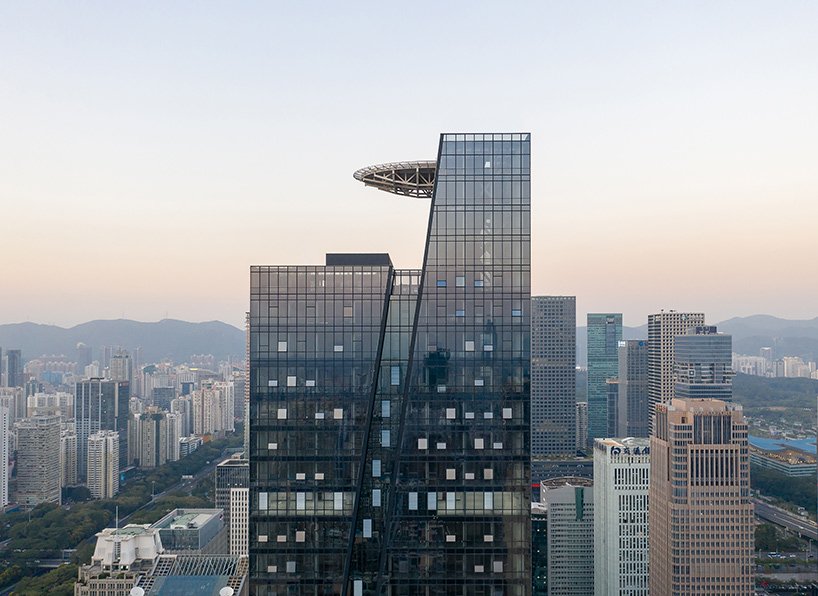
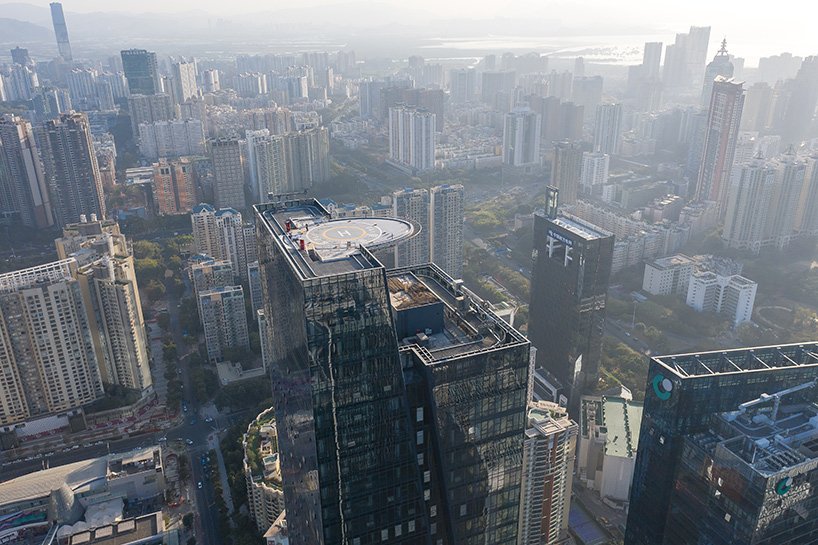
Guosen Securities Tower, Shenzhen, China [While at Fuksas]

2/28/2017

 
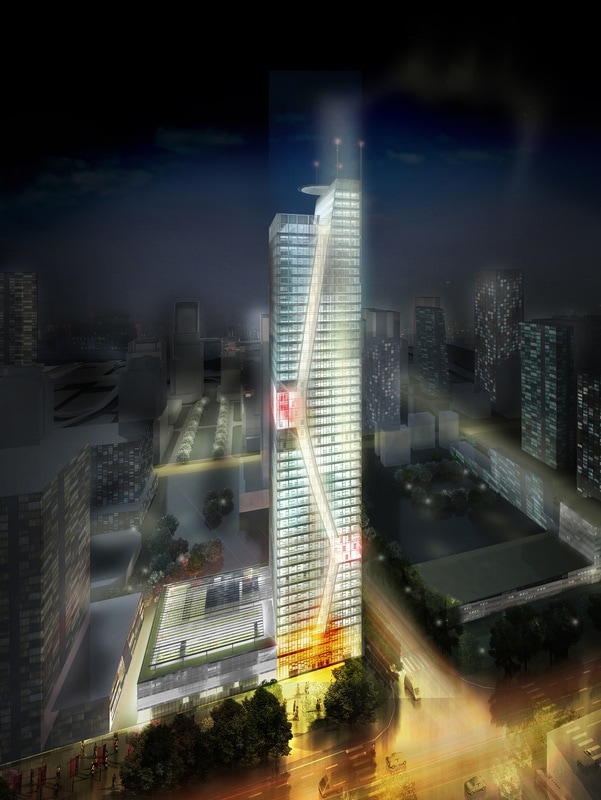
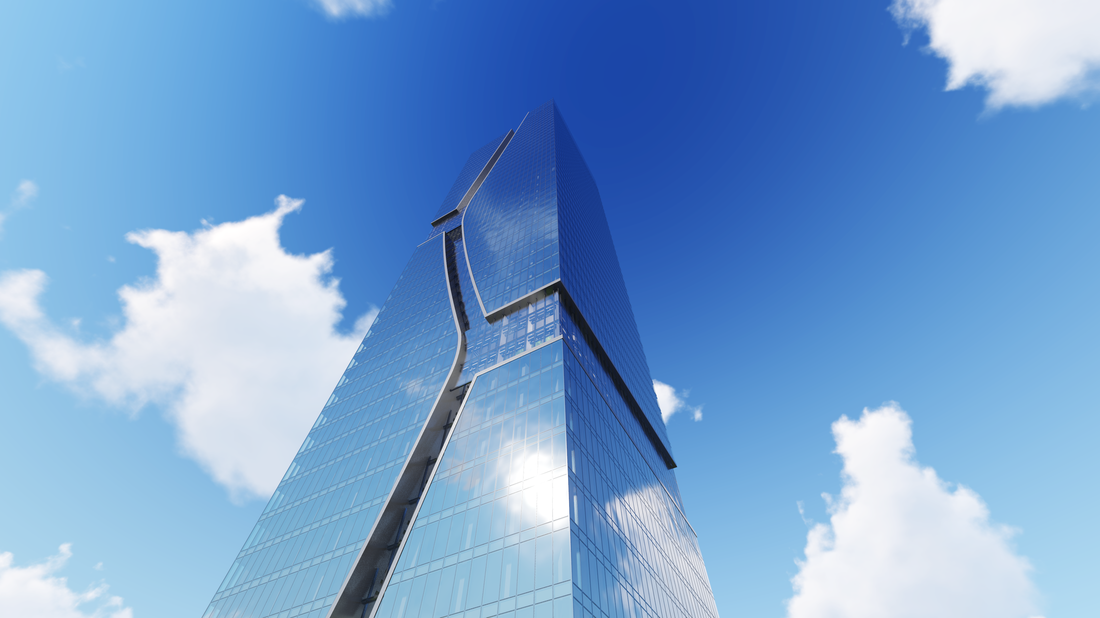
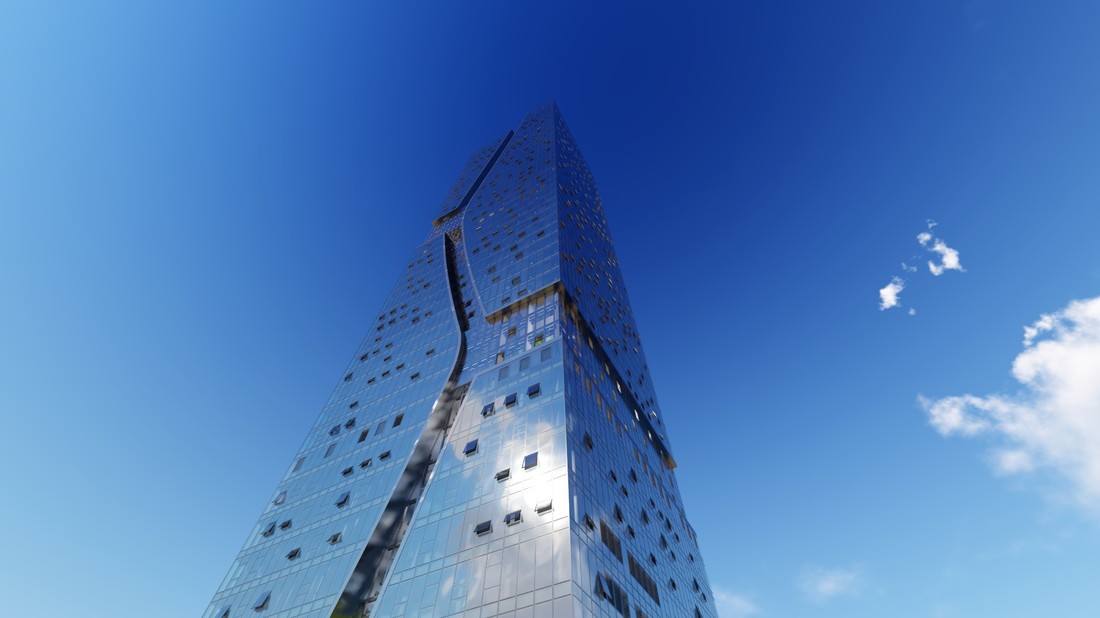
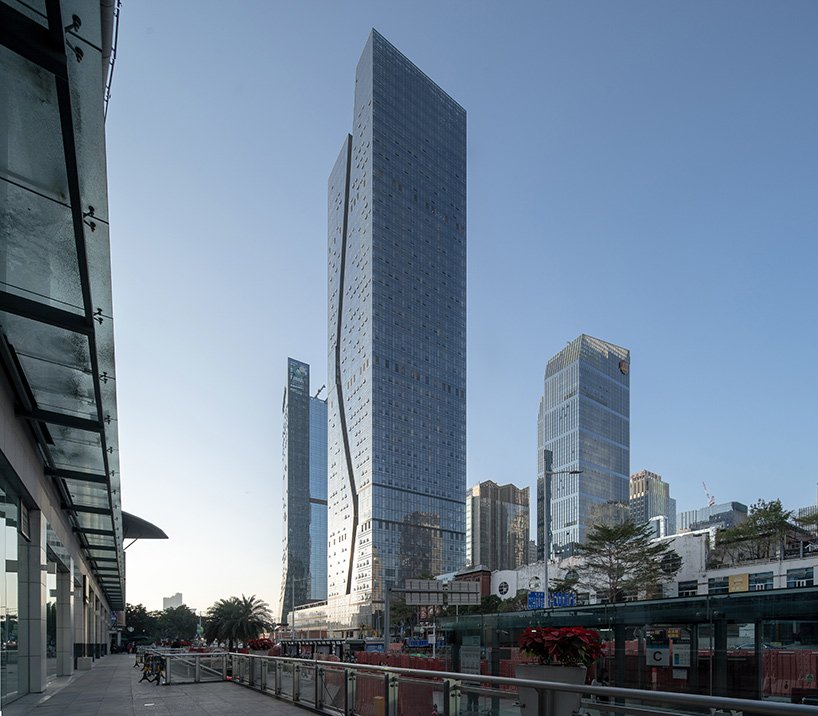
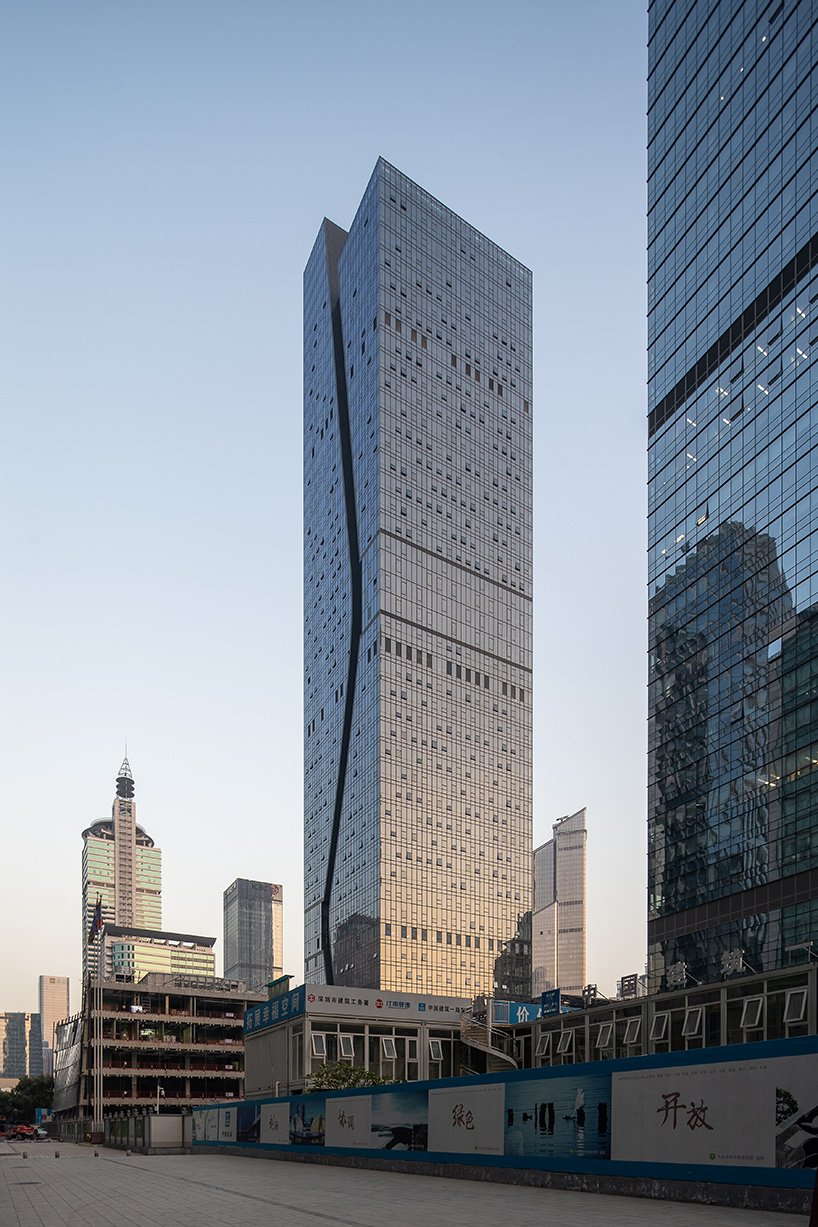
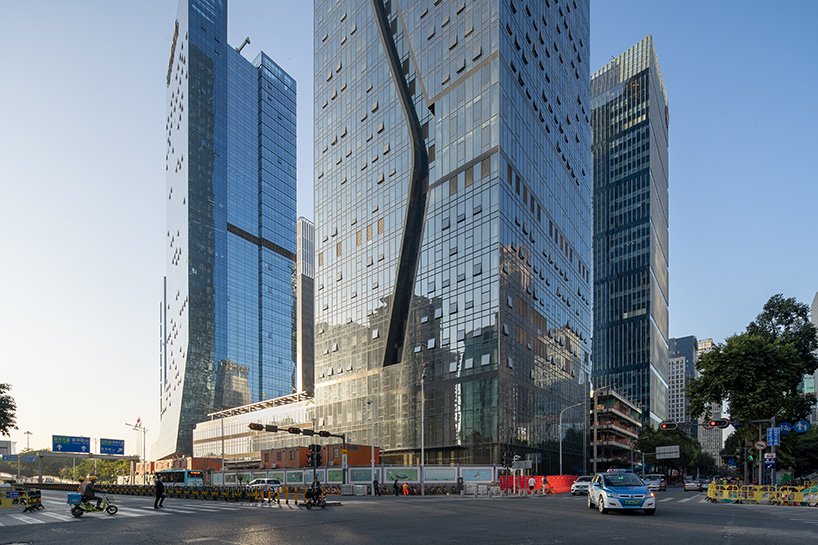
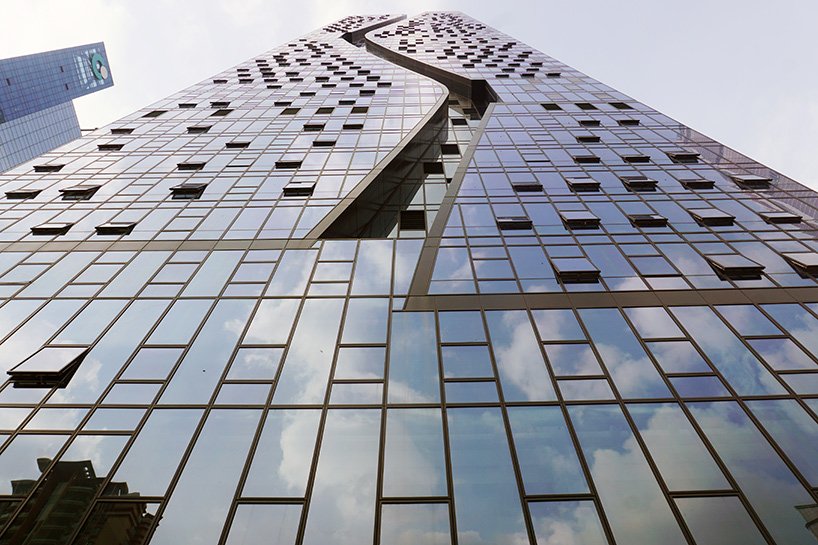
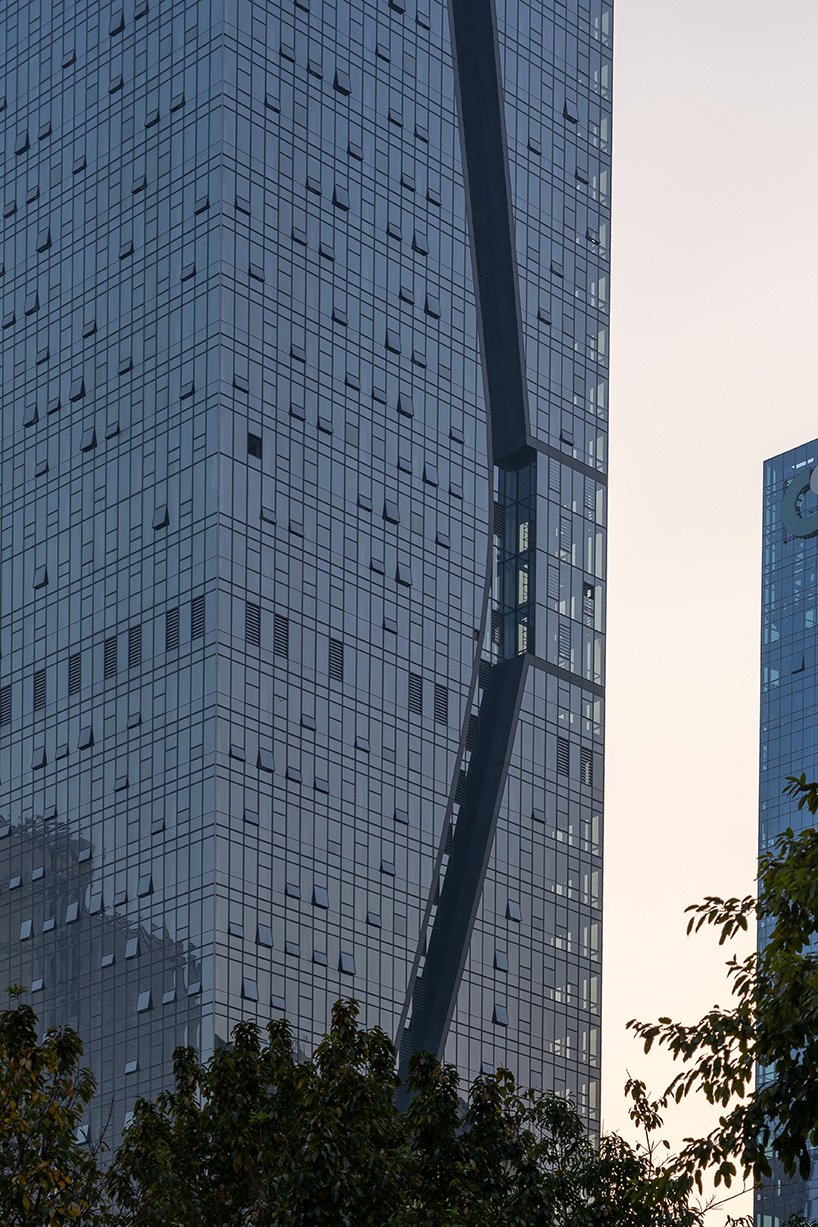
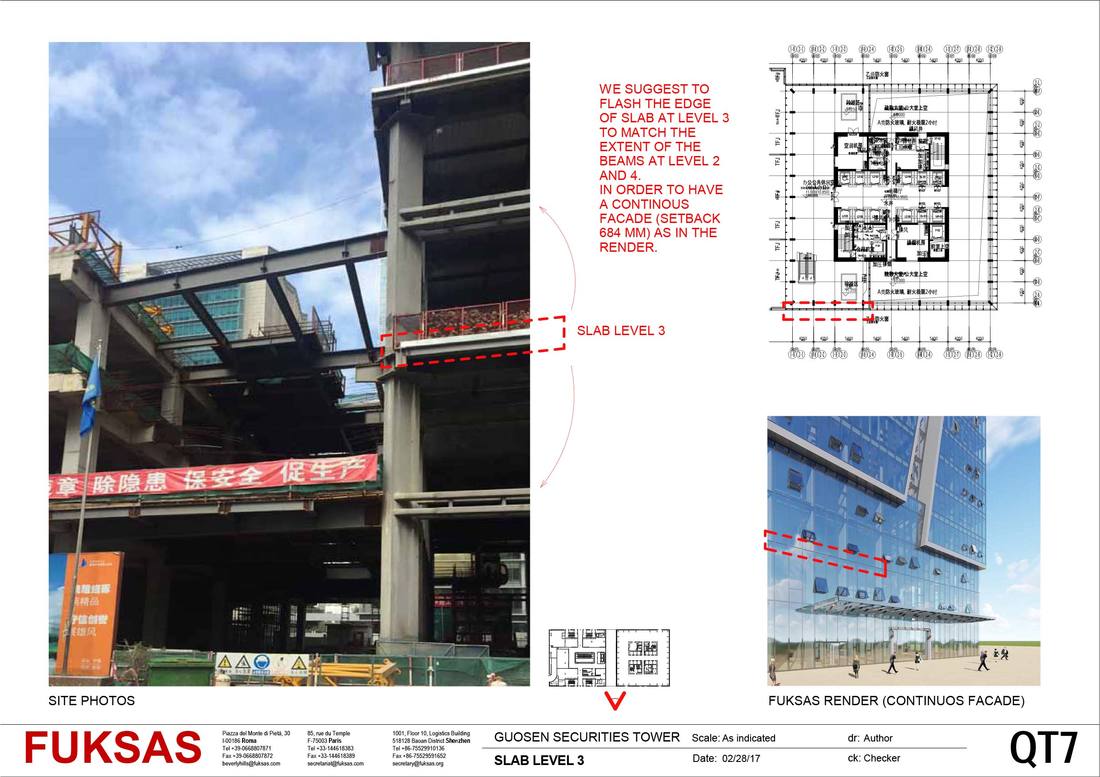
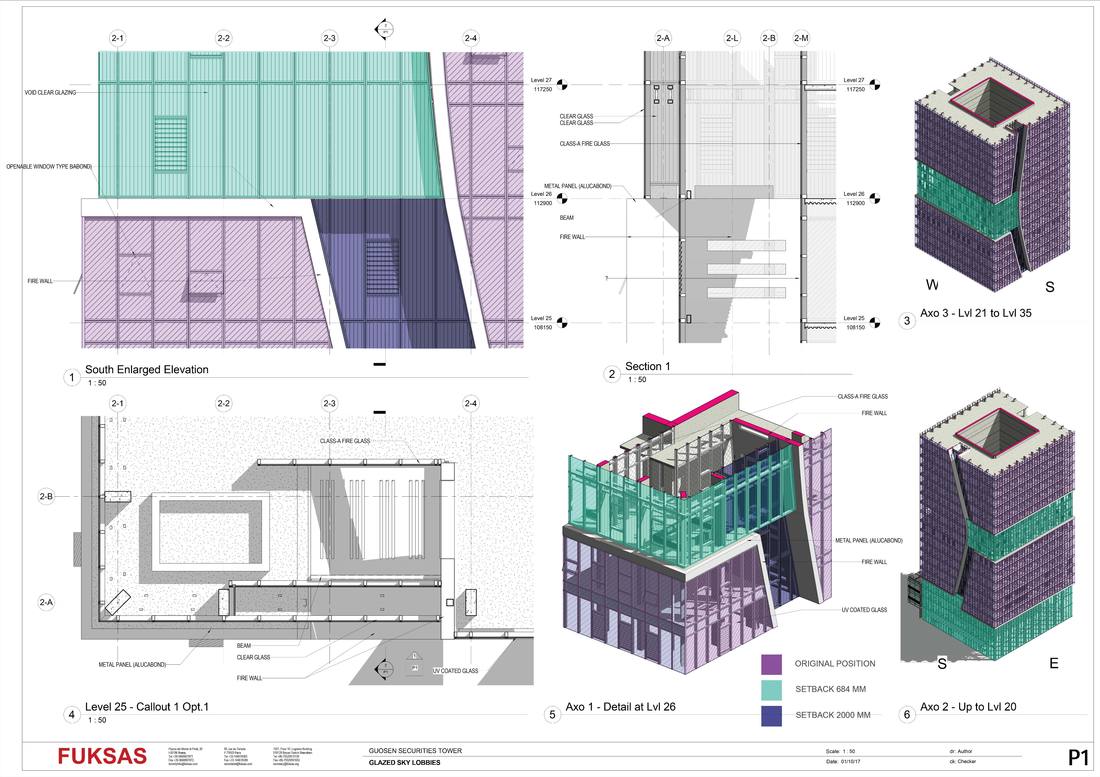
I was asked to continue CA on this project, while under construction. Using the Chinese made CD set of drawings, I created a study model in Revit, and begun to analyse the problems of fireproofing for the diagonal void cut of the facades. The on-going results were a series of questions (for both the contractor and the client) which we crafted in the form of markup sheets (see last two images).

Learown Fuda Square, Shenzhen, China [While at Fuksas]

2/15/2017

 
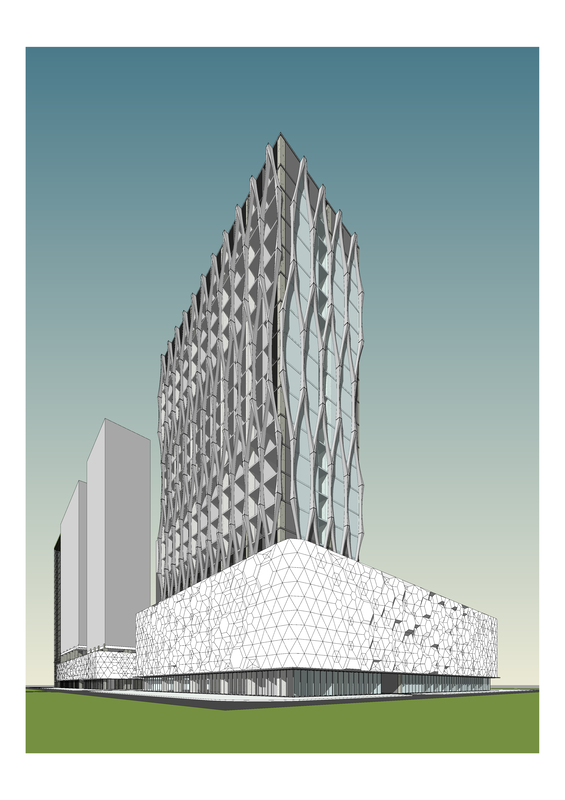
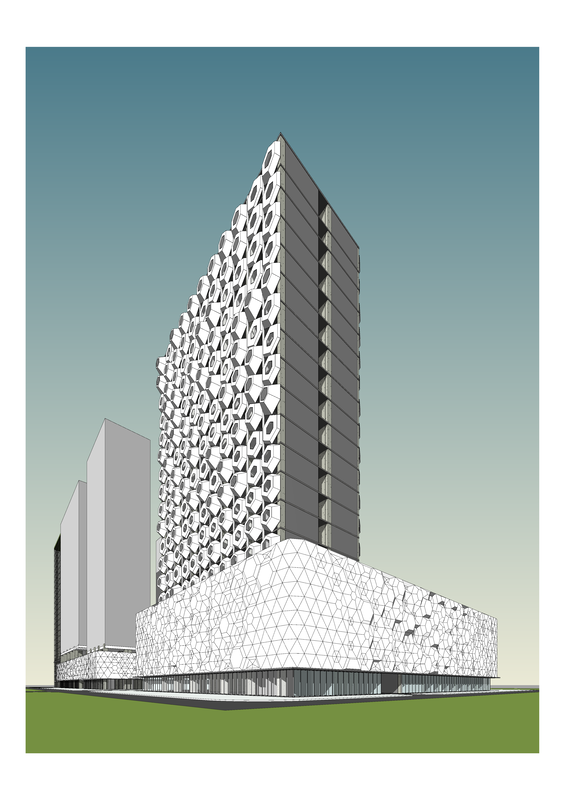
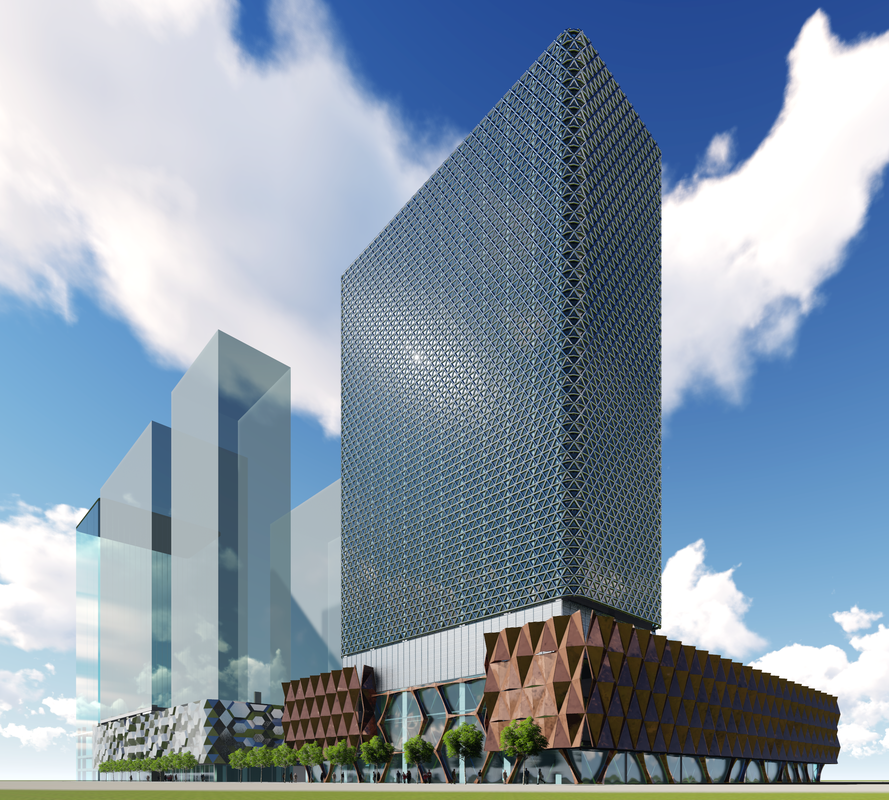
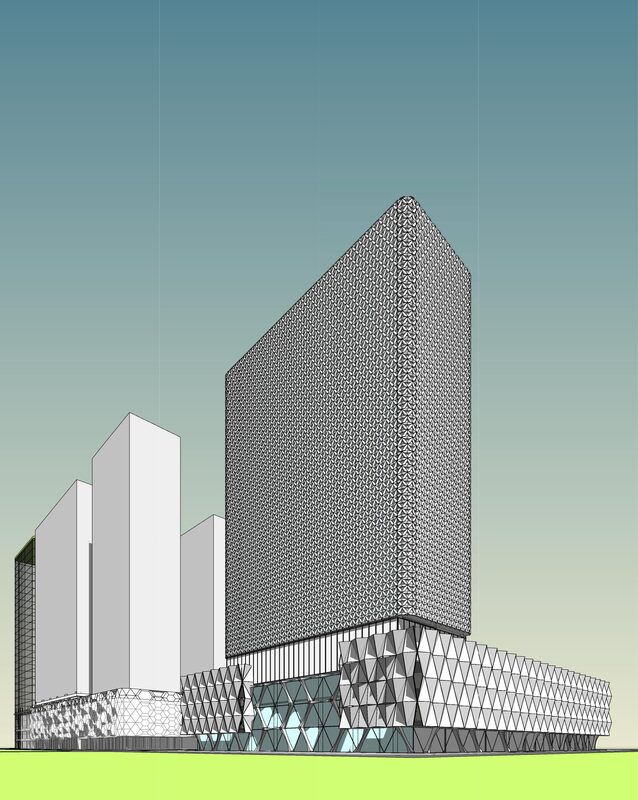
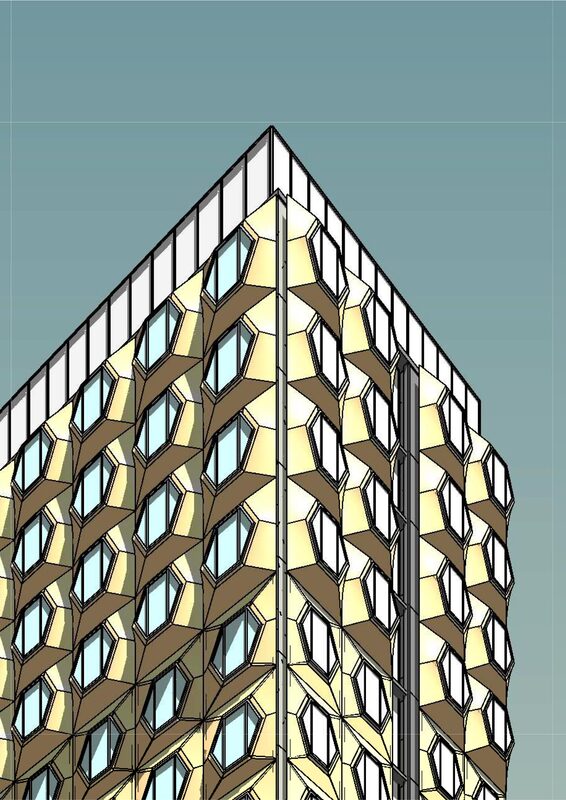
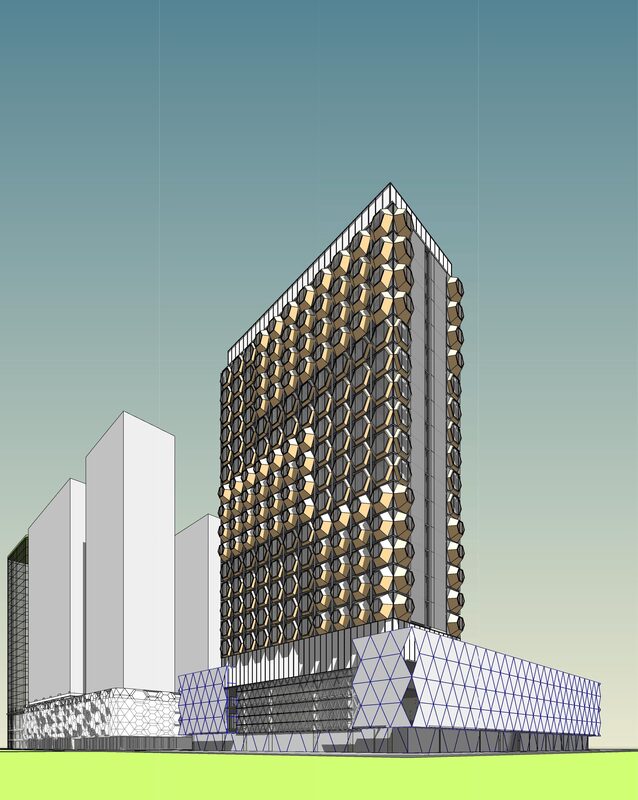
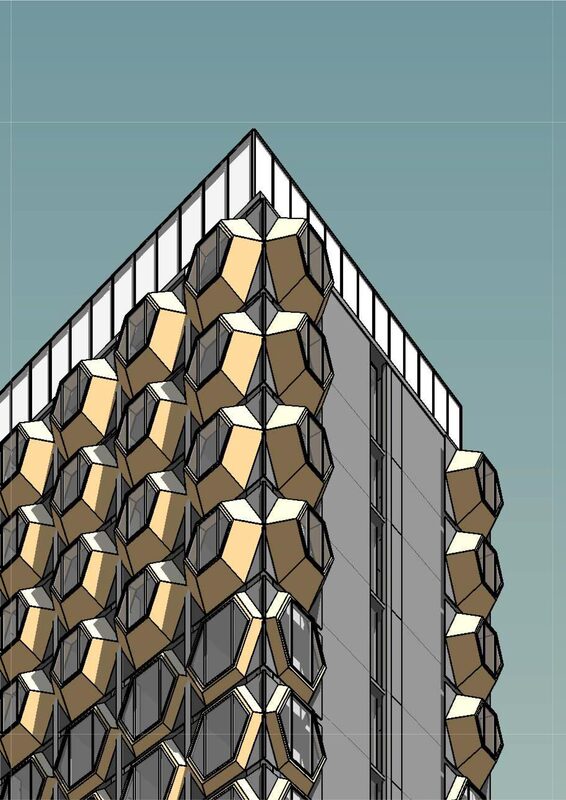
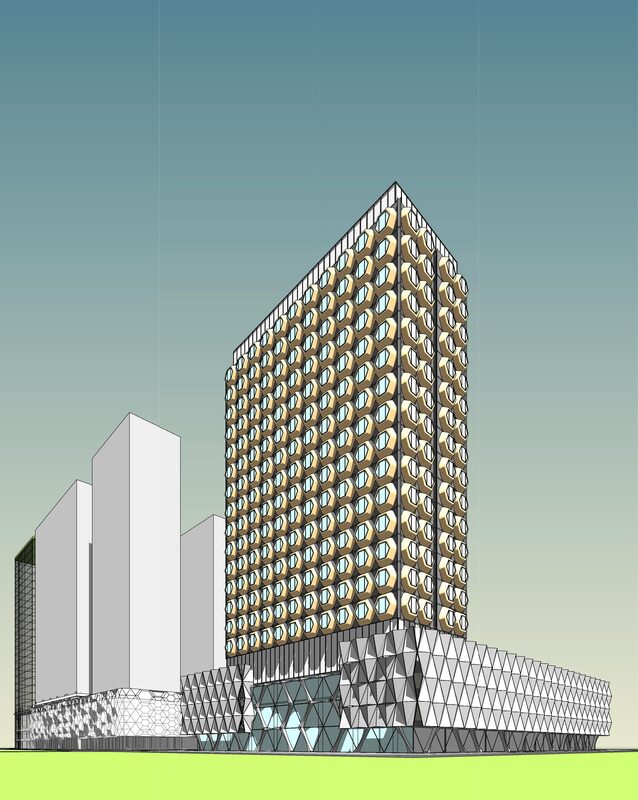
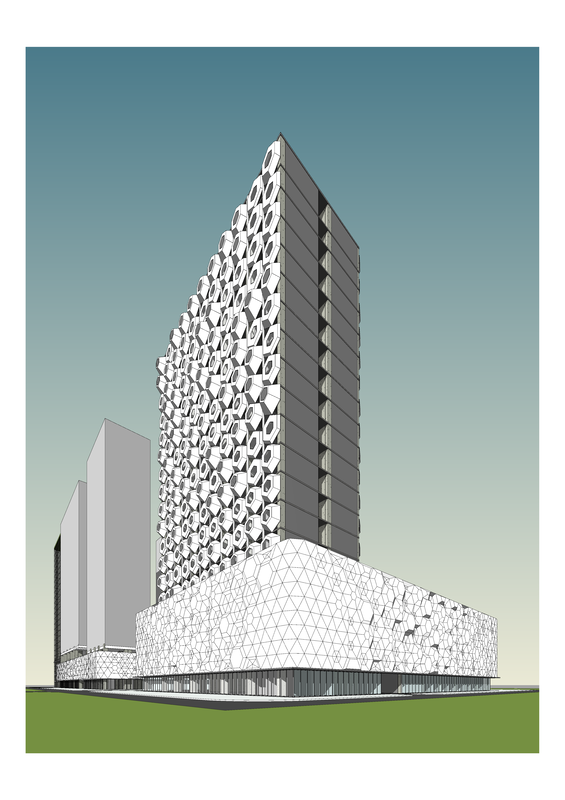
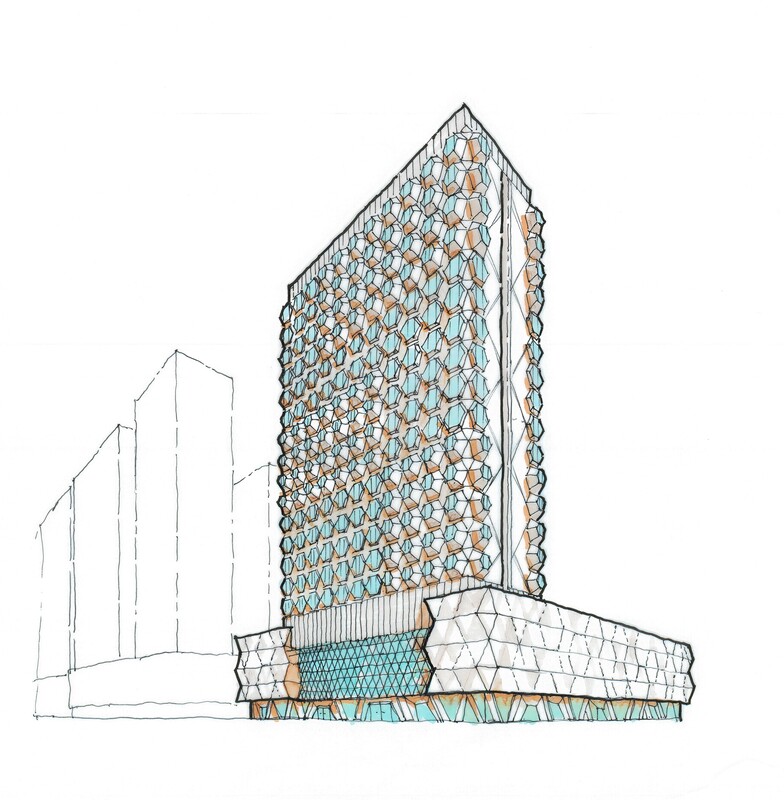
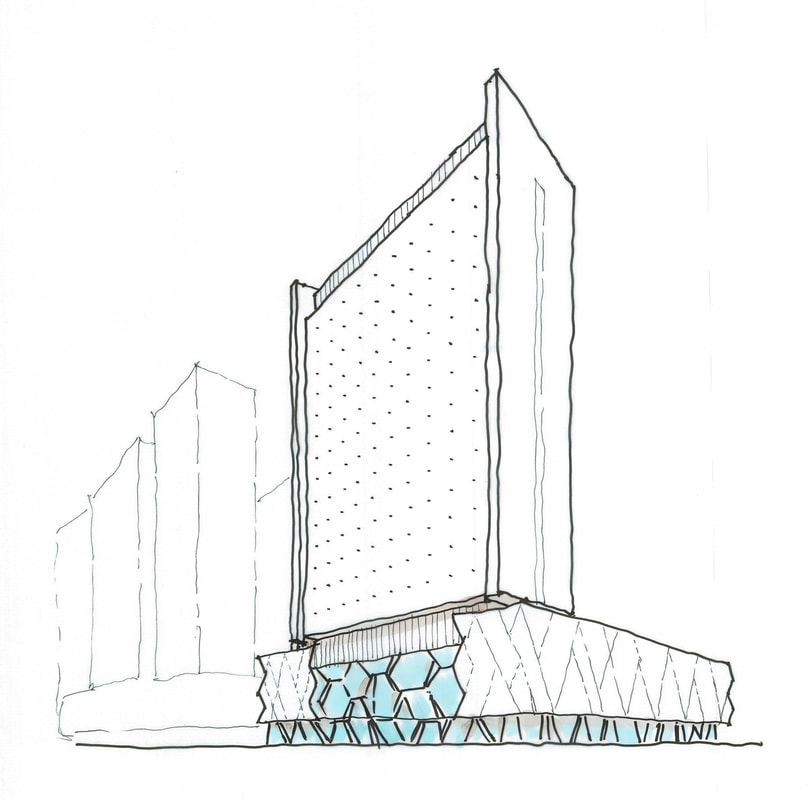
These are studies I produced for the hotel portion of a larger commercial development.  After some initial options, the designed focused on the hexagonal pods motives, which echoed the 3D hexagonal design of the storefronts, already proposed to the client.

Oceanwide Center, San Francisco, CA [While at Heller Manus, with Foster+Partners]

1/24/2016

 
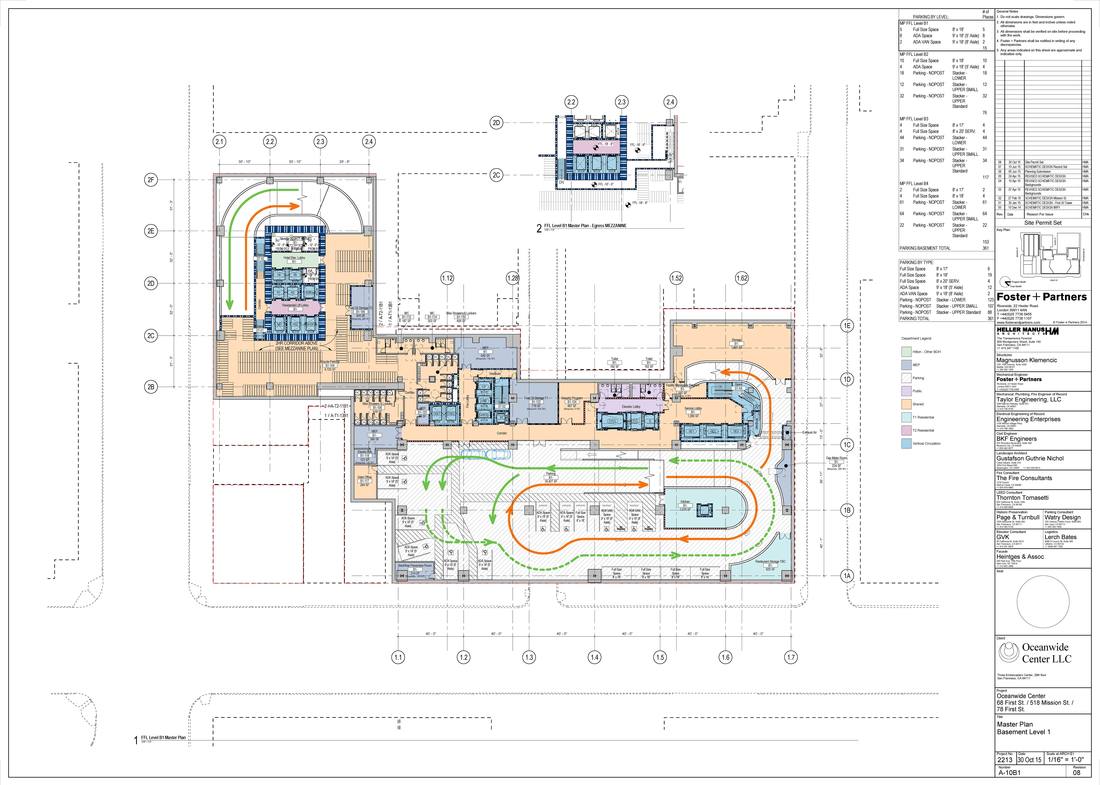
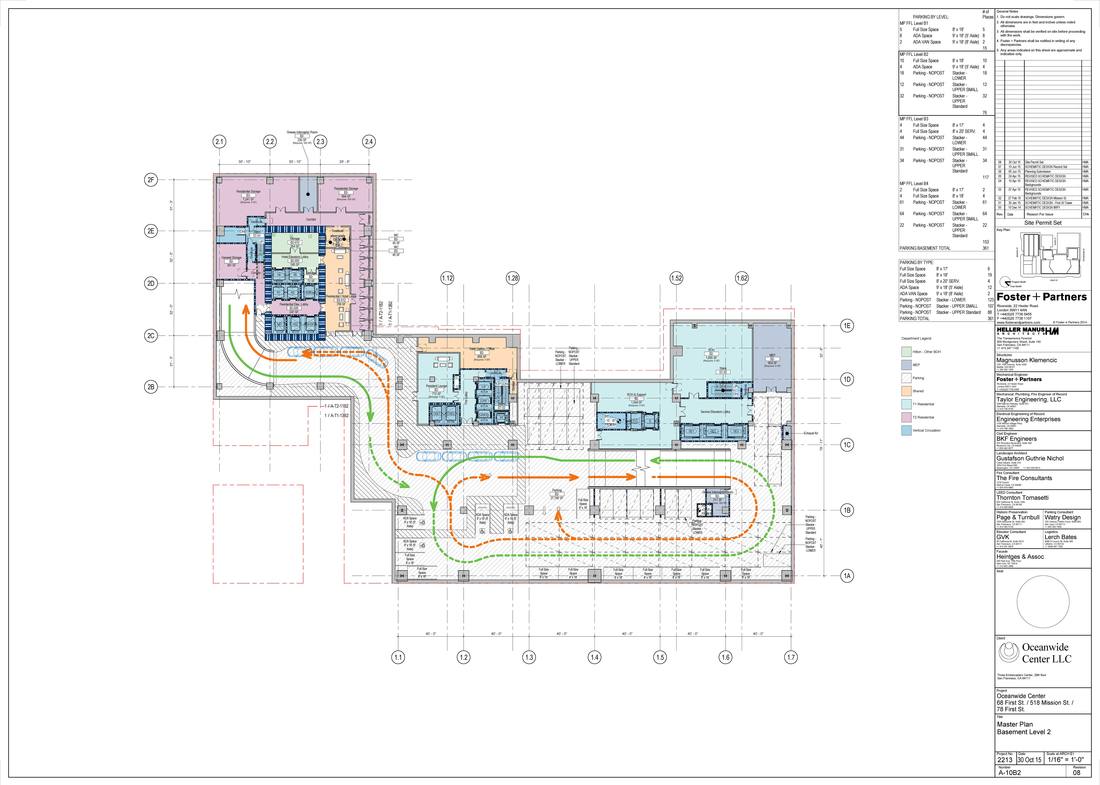
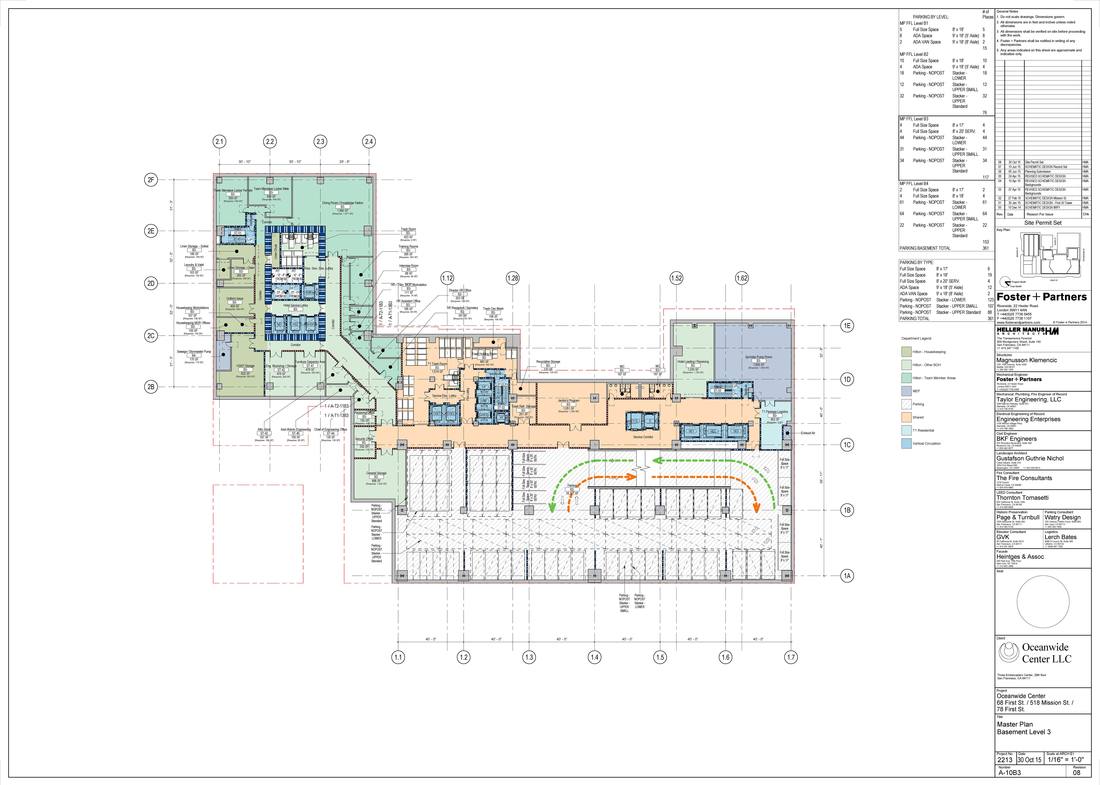
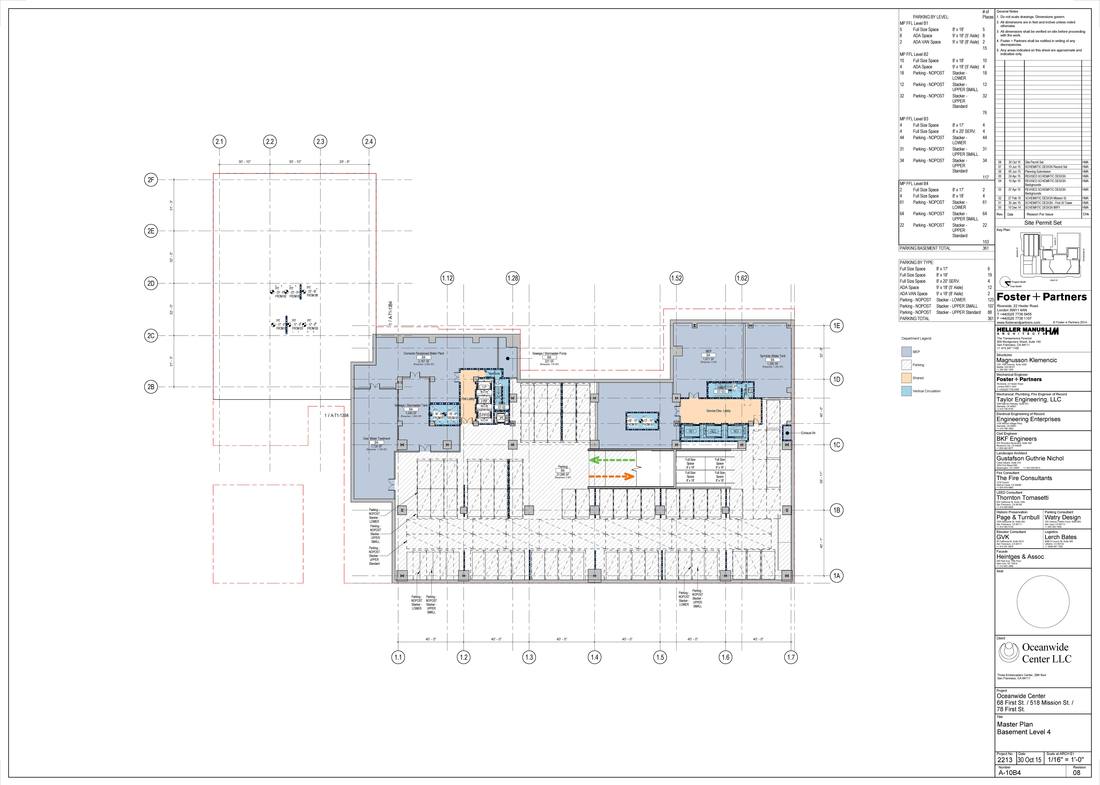
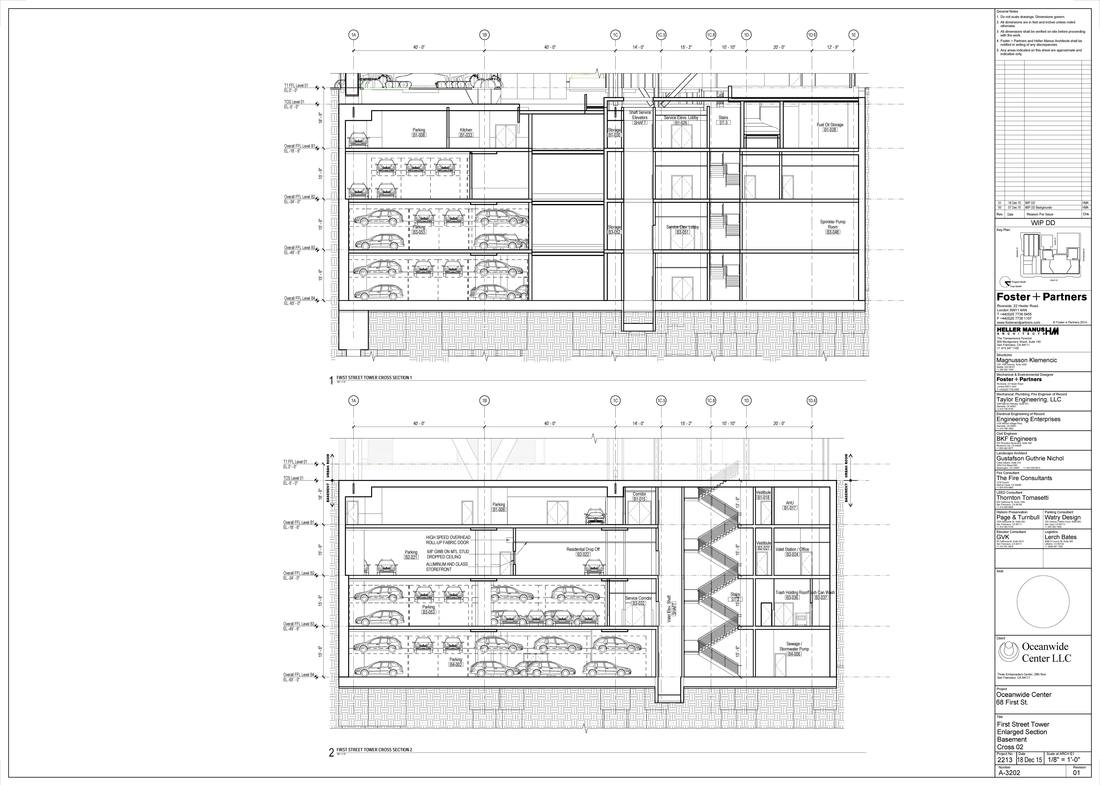
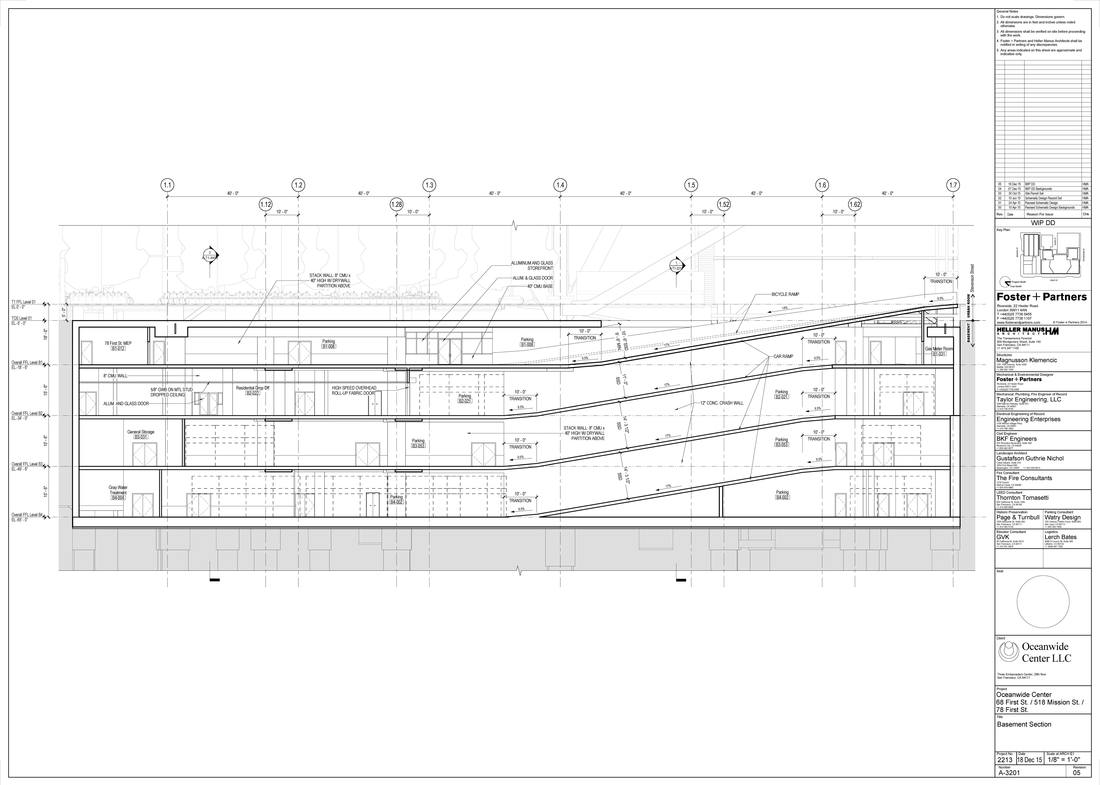
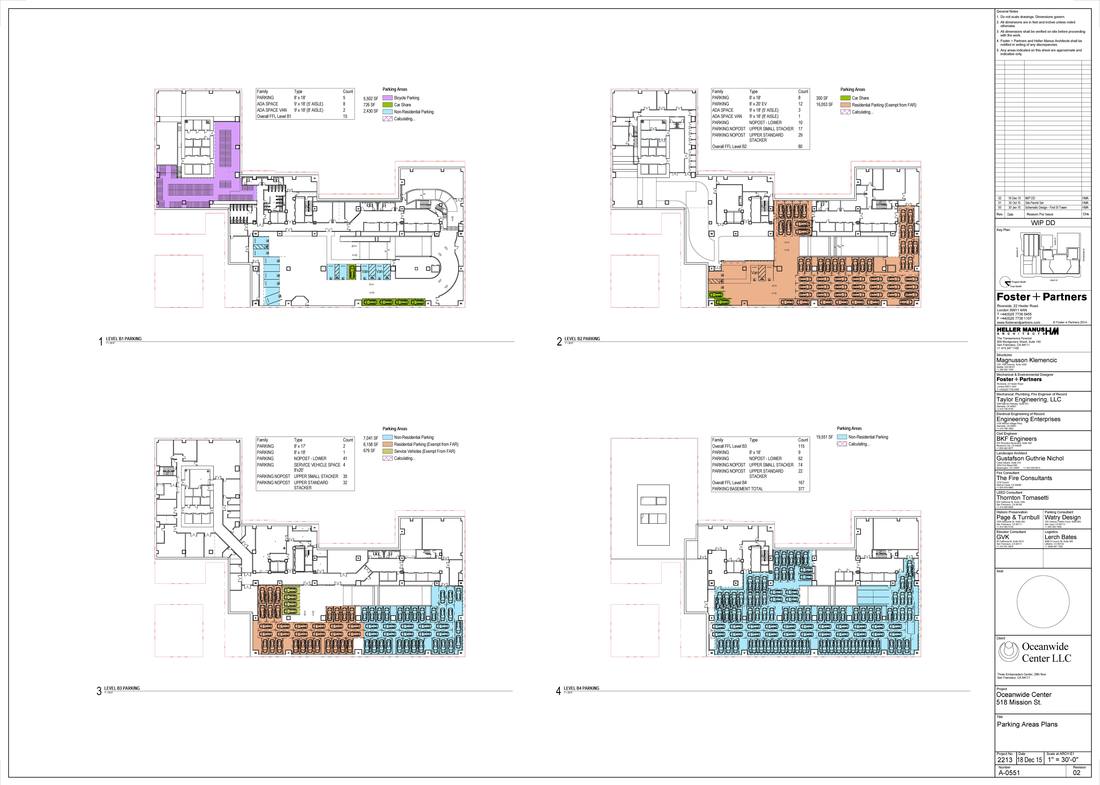
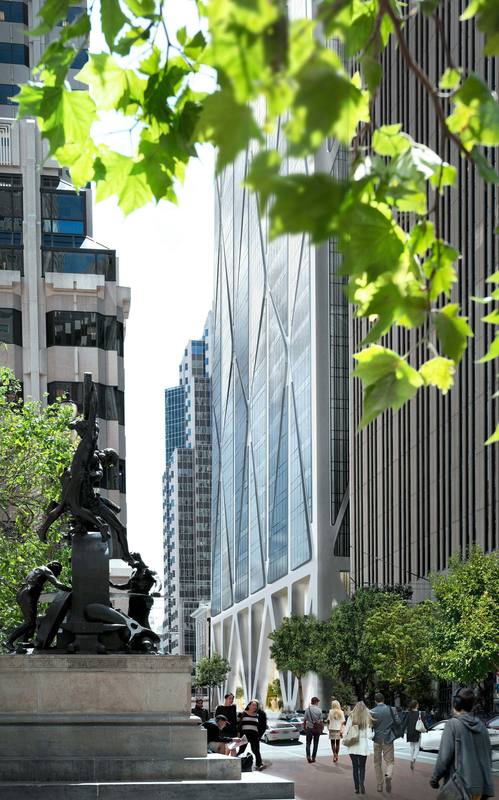
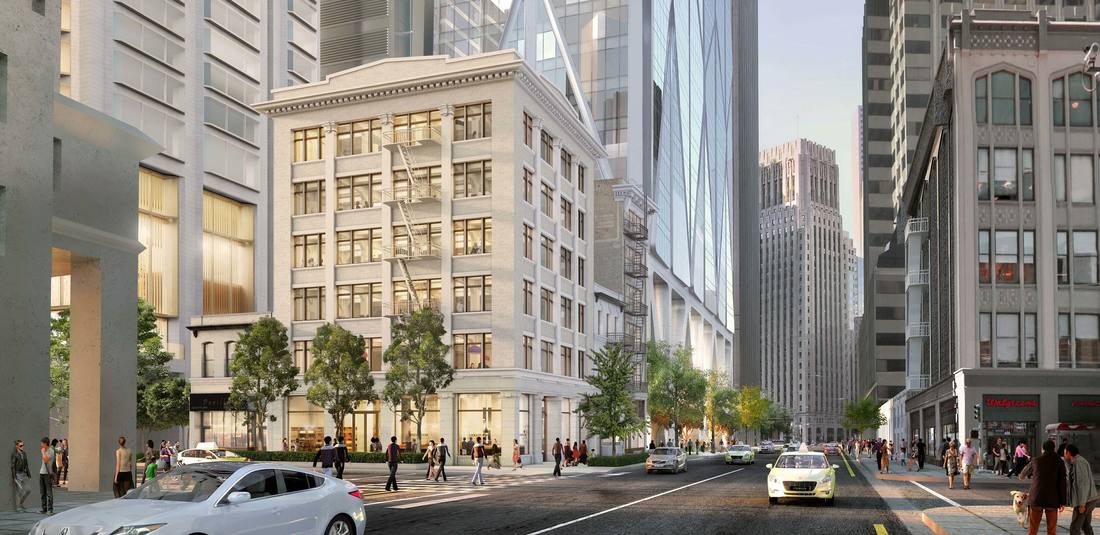
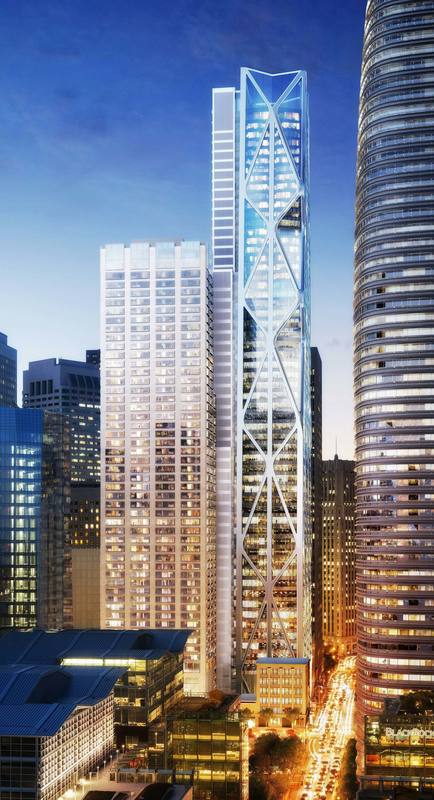
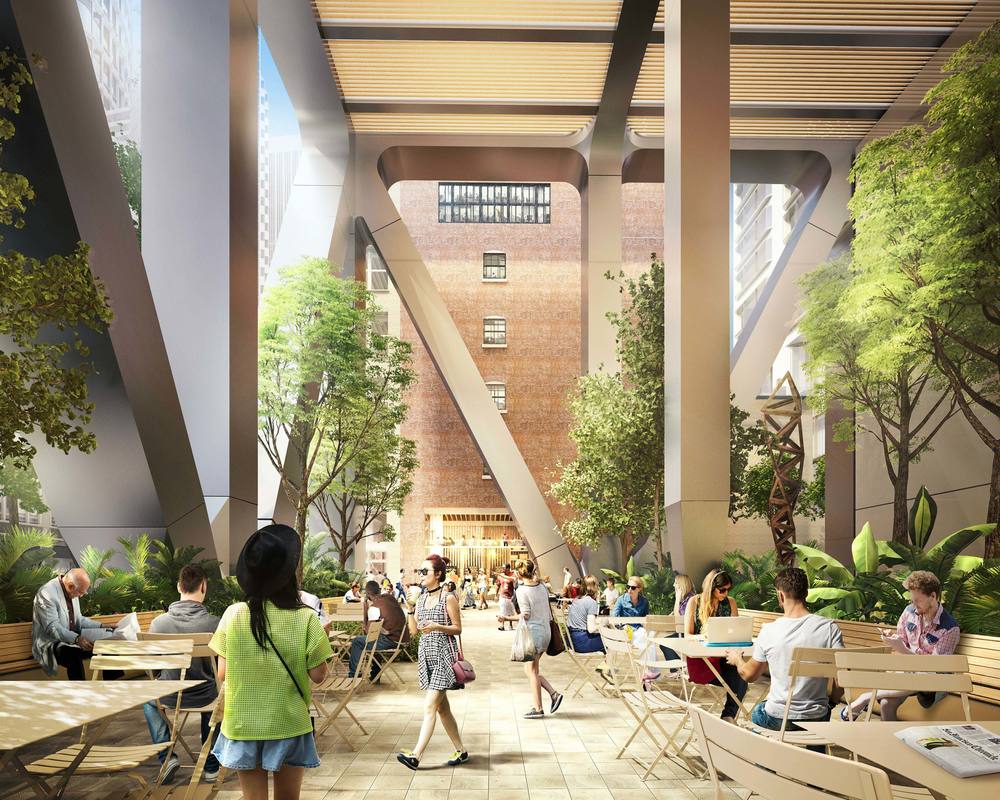
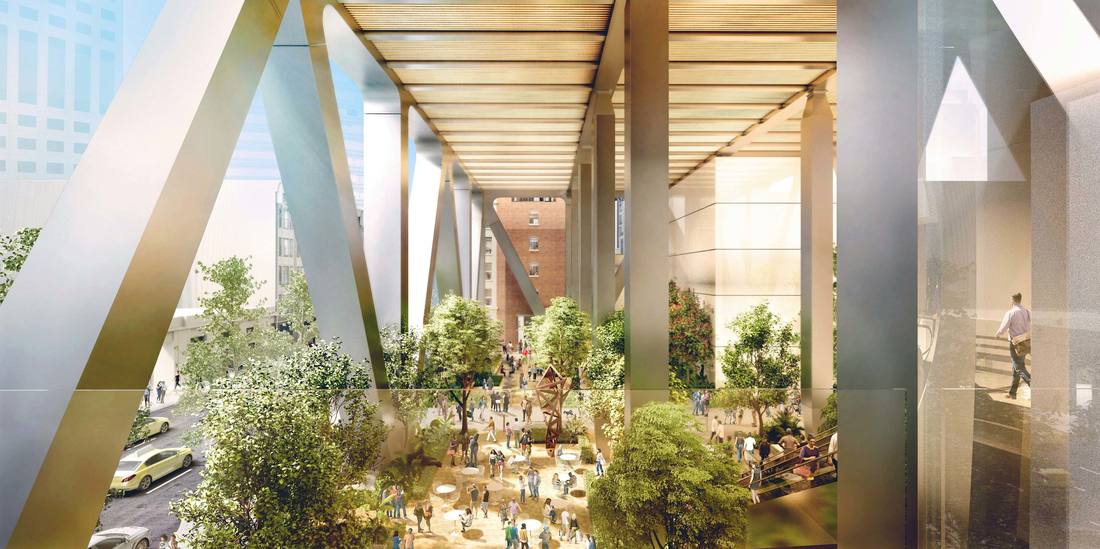
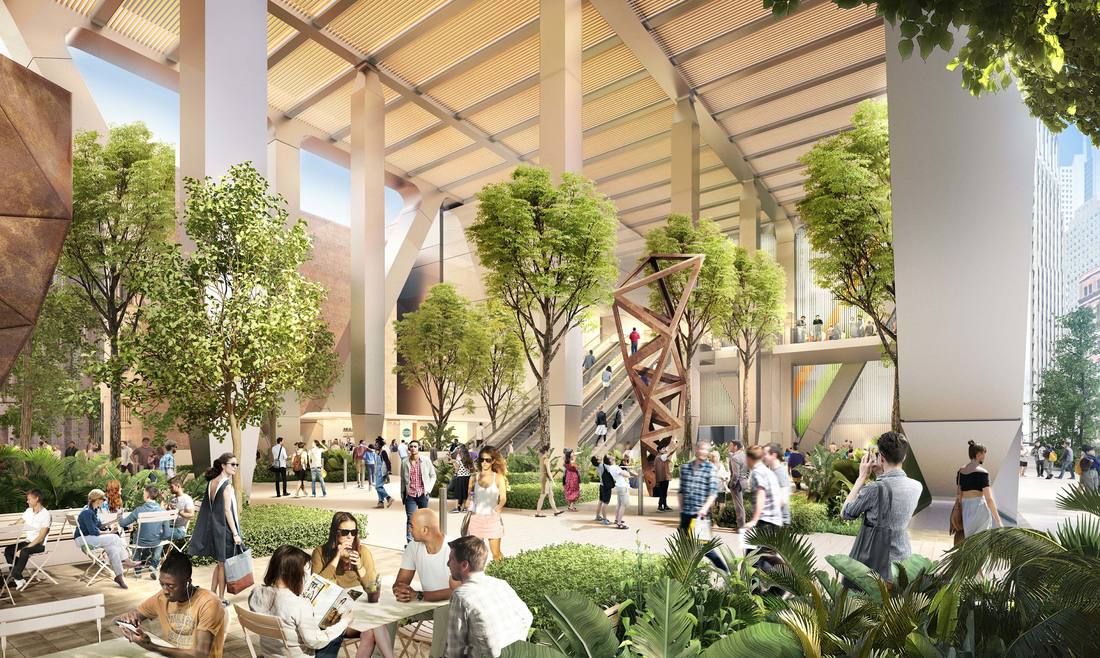
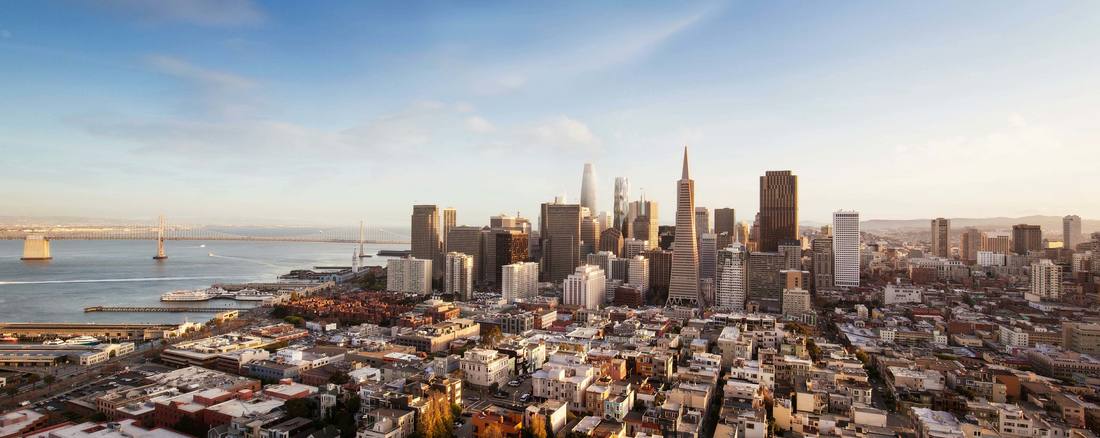
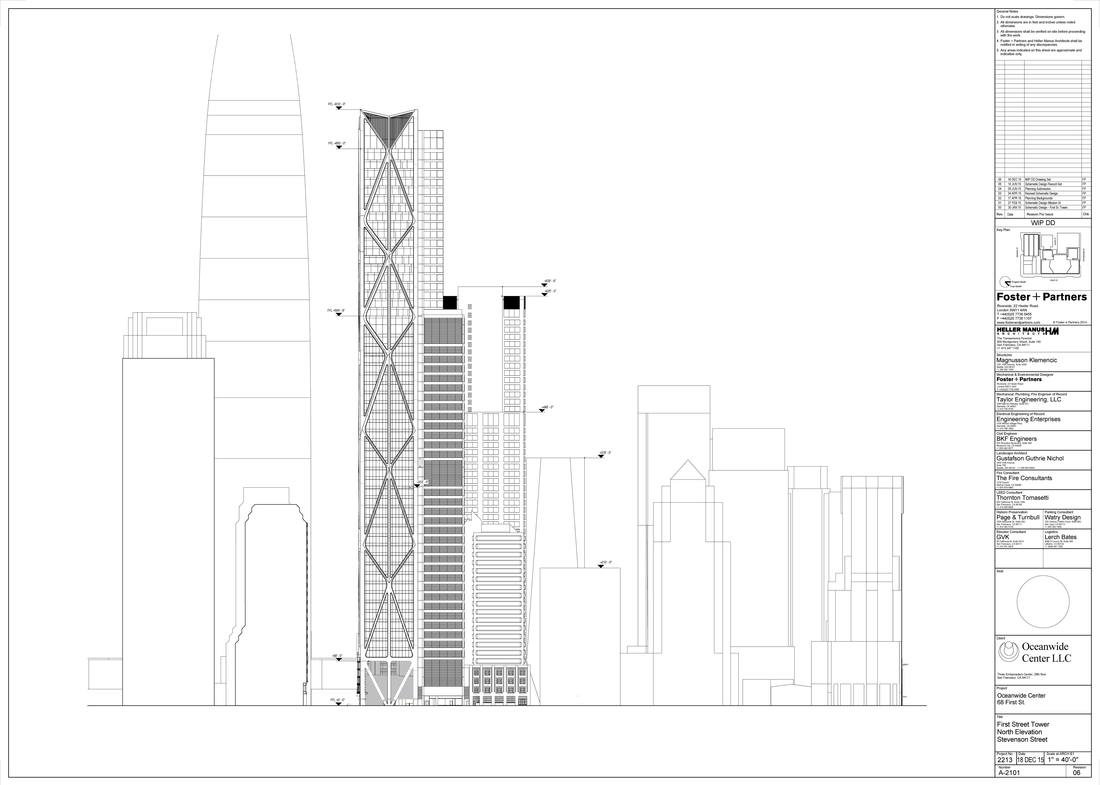
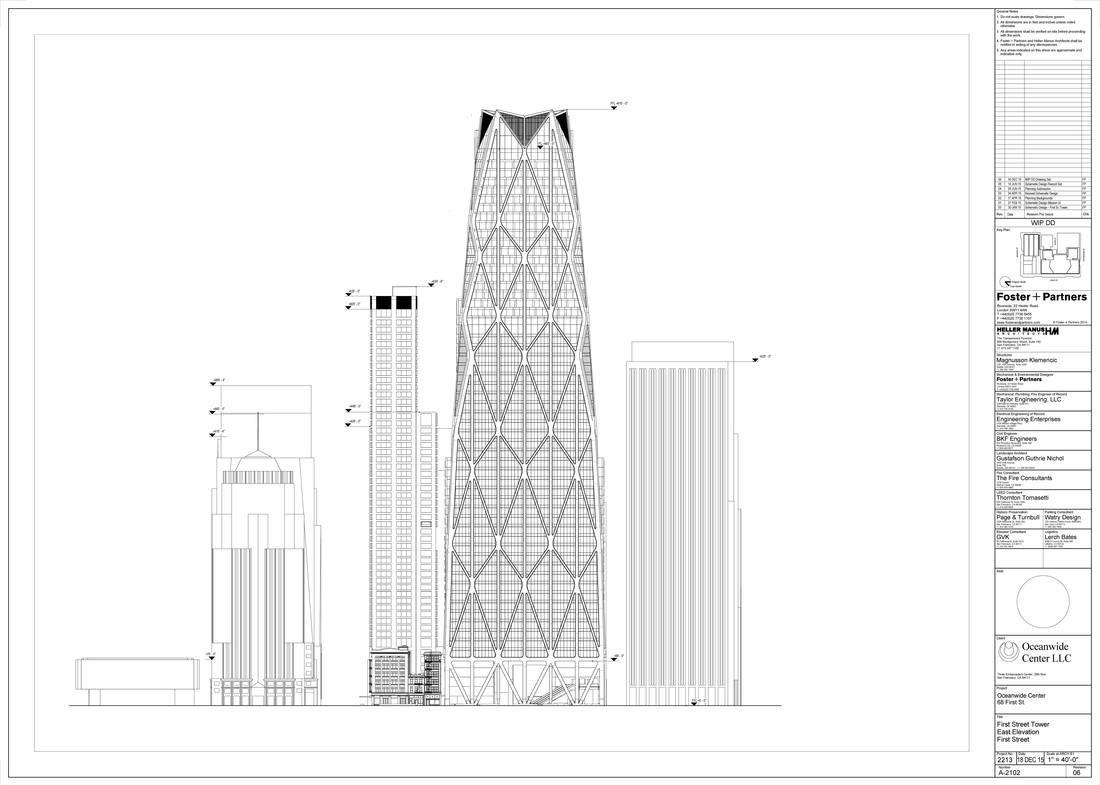
A $1.3BL mixed use project in the SOMA district of San Francisco, the two million square foot development comprises two high-rise towers, along with impressive new public spaces and important new pedestrian links through downtown. Together, the buildings provide 1.35 million square feet of office space and 650,000 square feet of residential units.
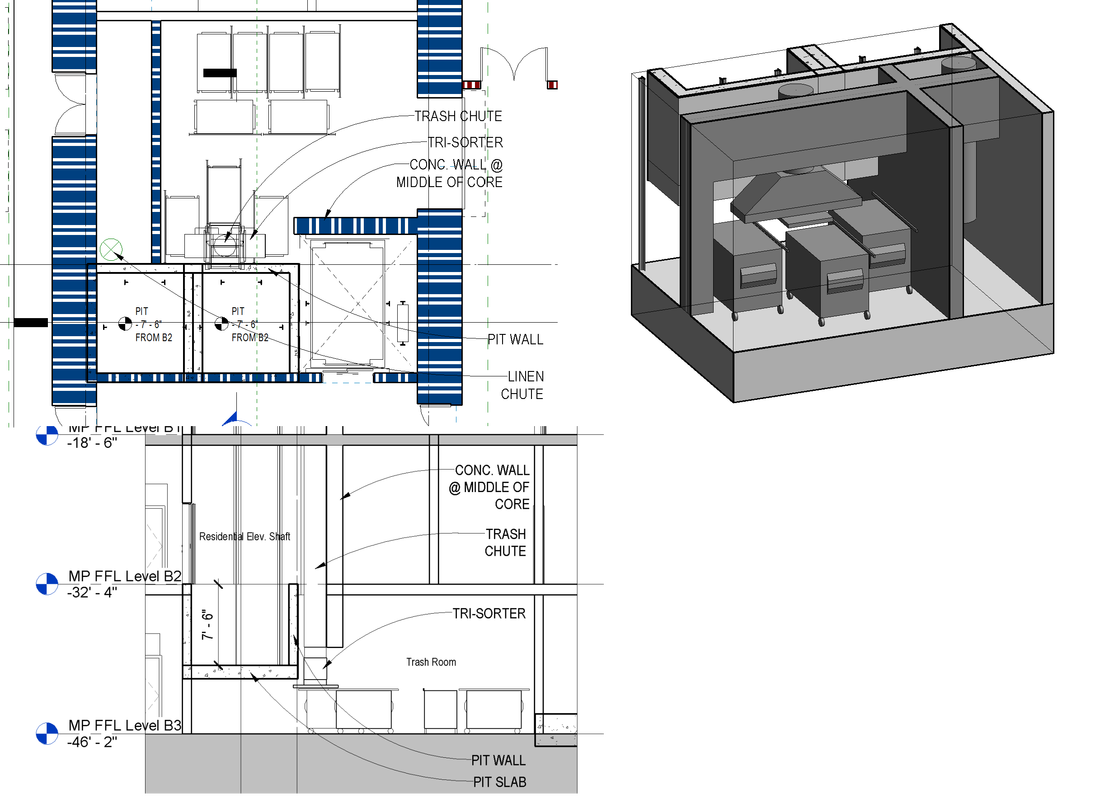
As BIM coordinator for the Heller Manus team, I have been working on the SD documents for the project's four level basement.
​In particular, I was involved with the 3D modeling of the garage, the parking, and the distribution of the dense program for the hotel and residentail component of the towers above (Locker rooms, bike storage room, hotel programs such as laundry and admin offices, etc.).

350 Bush St., SF Mining Exchange, San Francisco, CA [While at Heller Manus]

2/2/2015

 
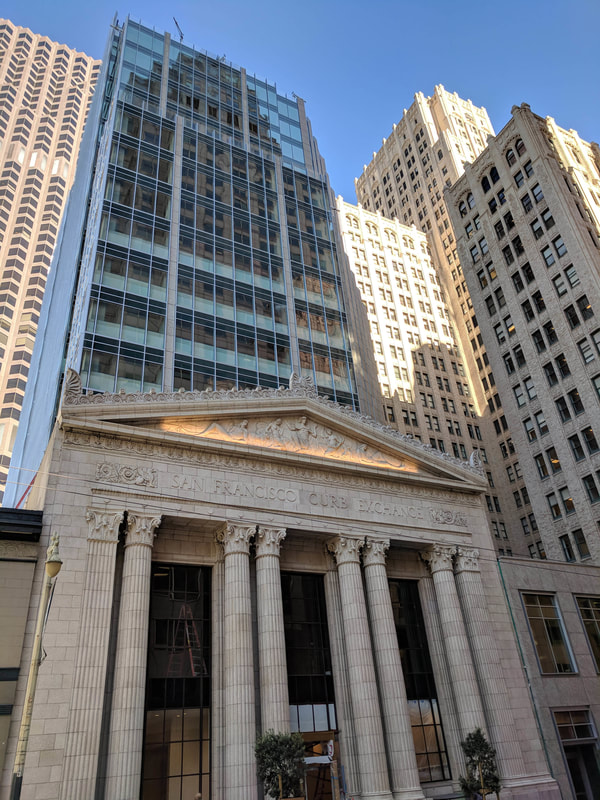
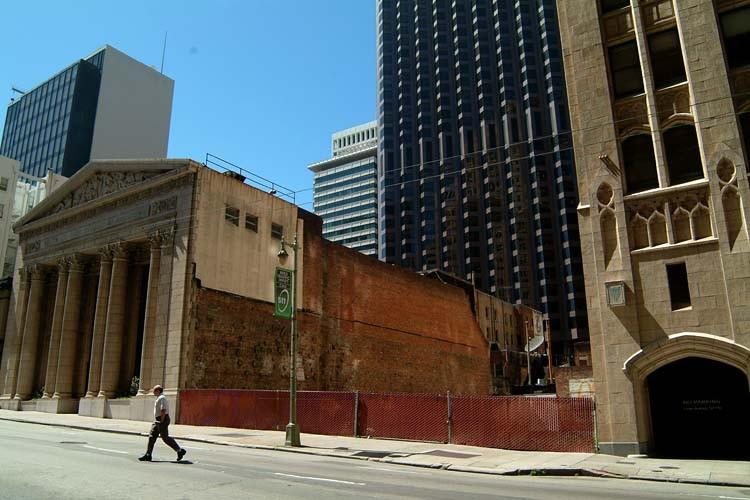
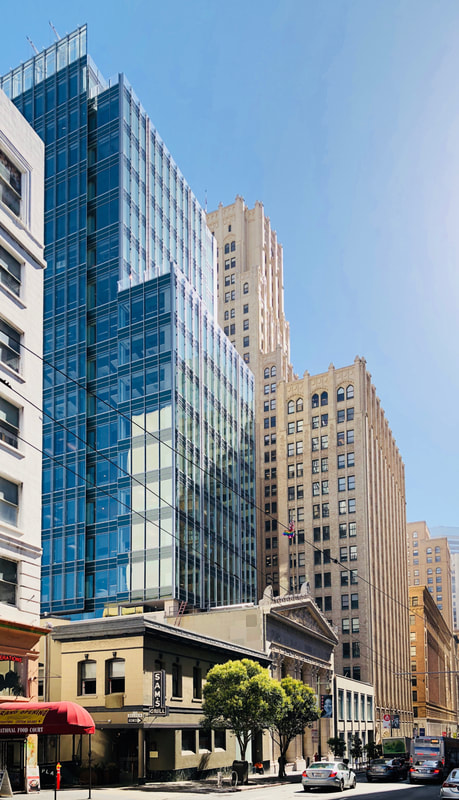
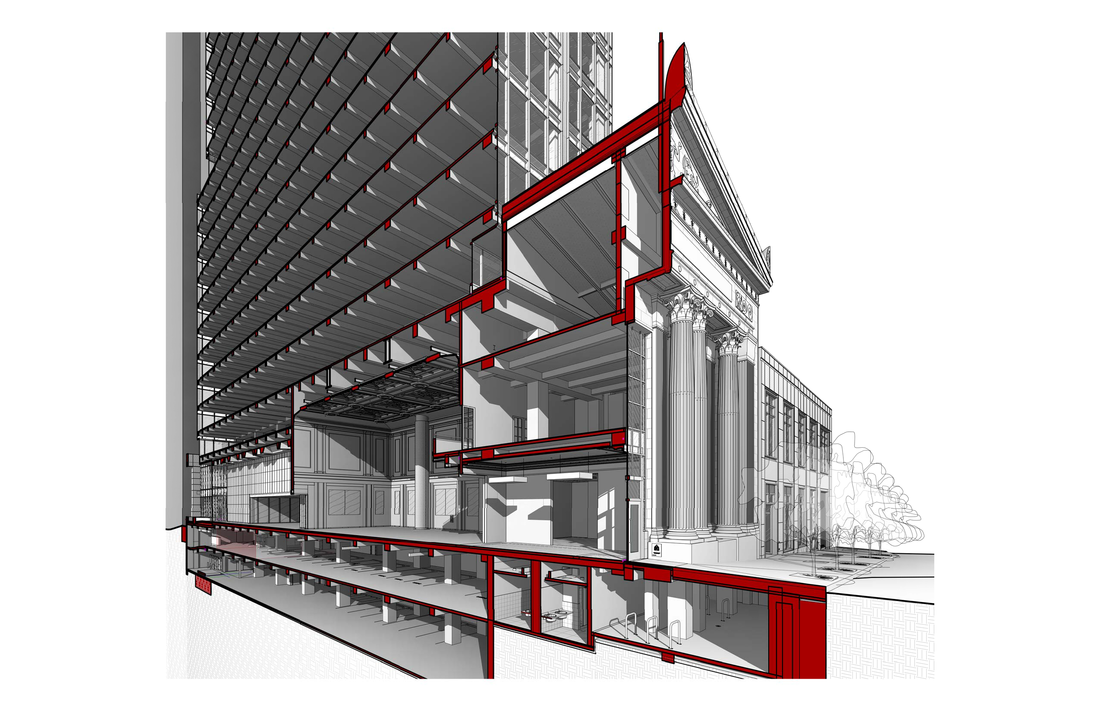
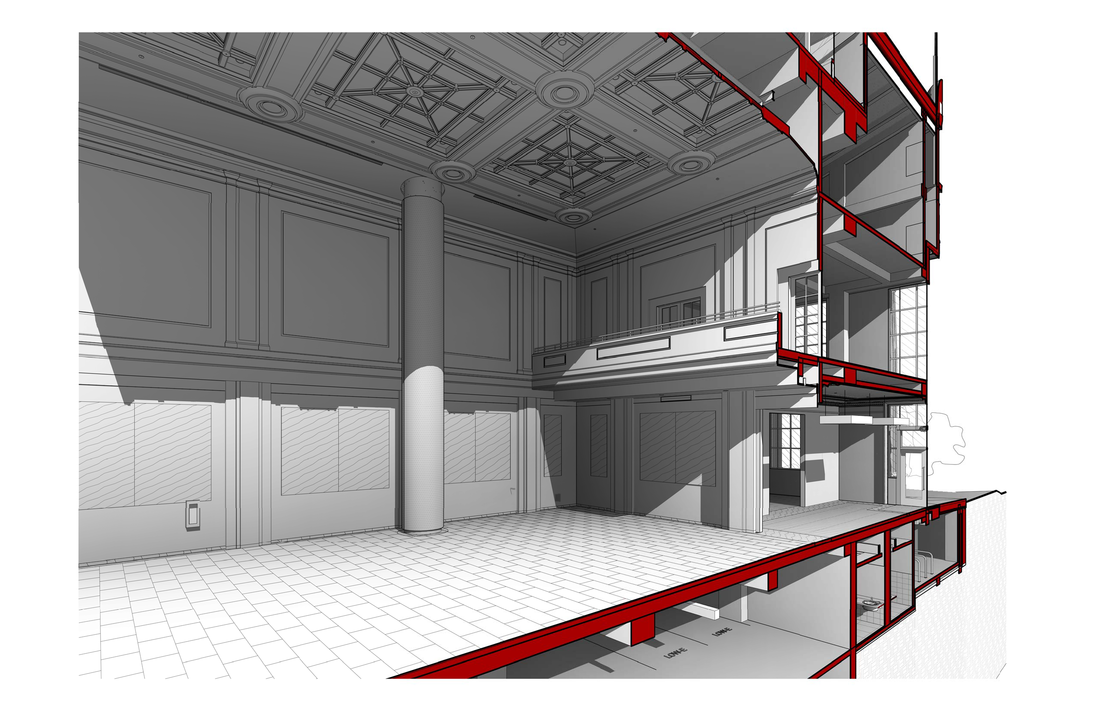
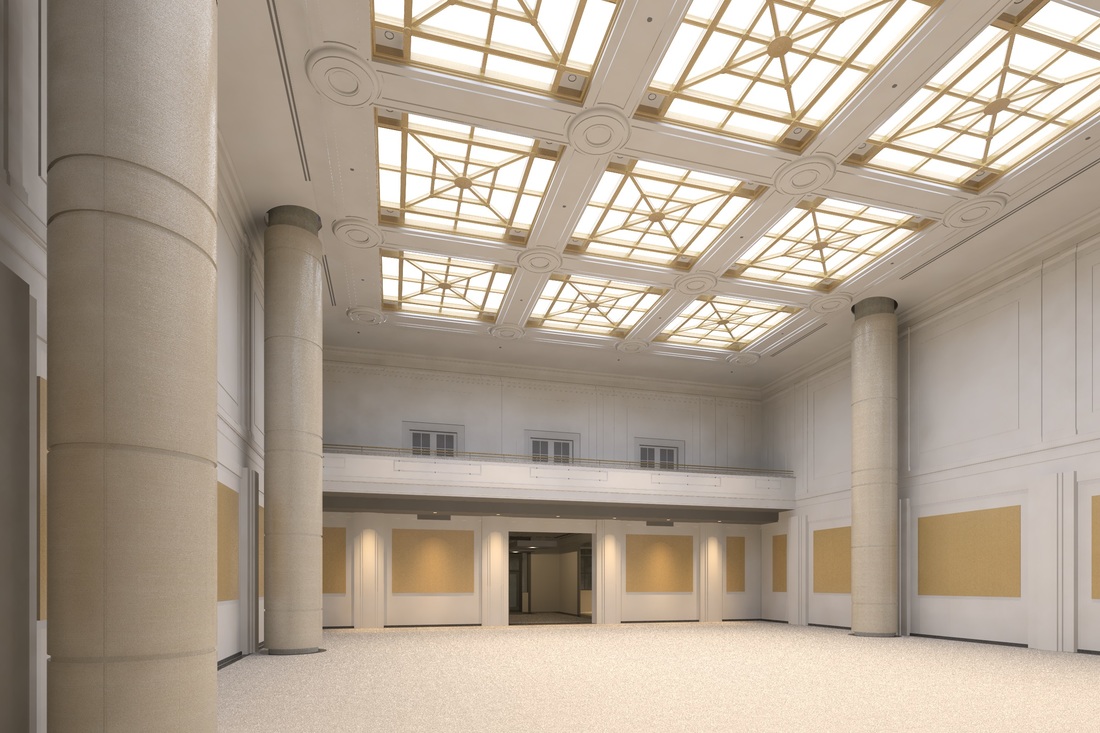
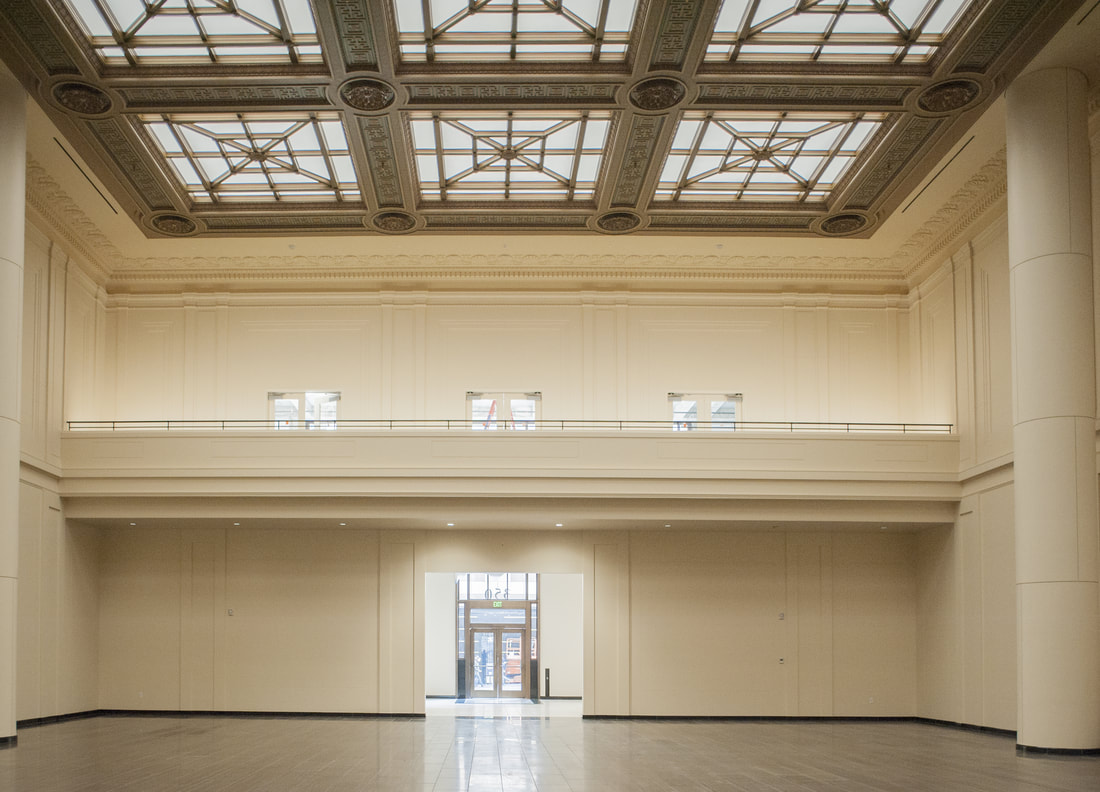
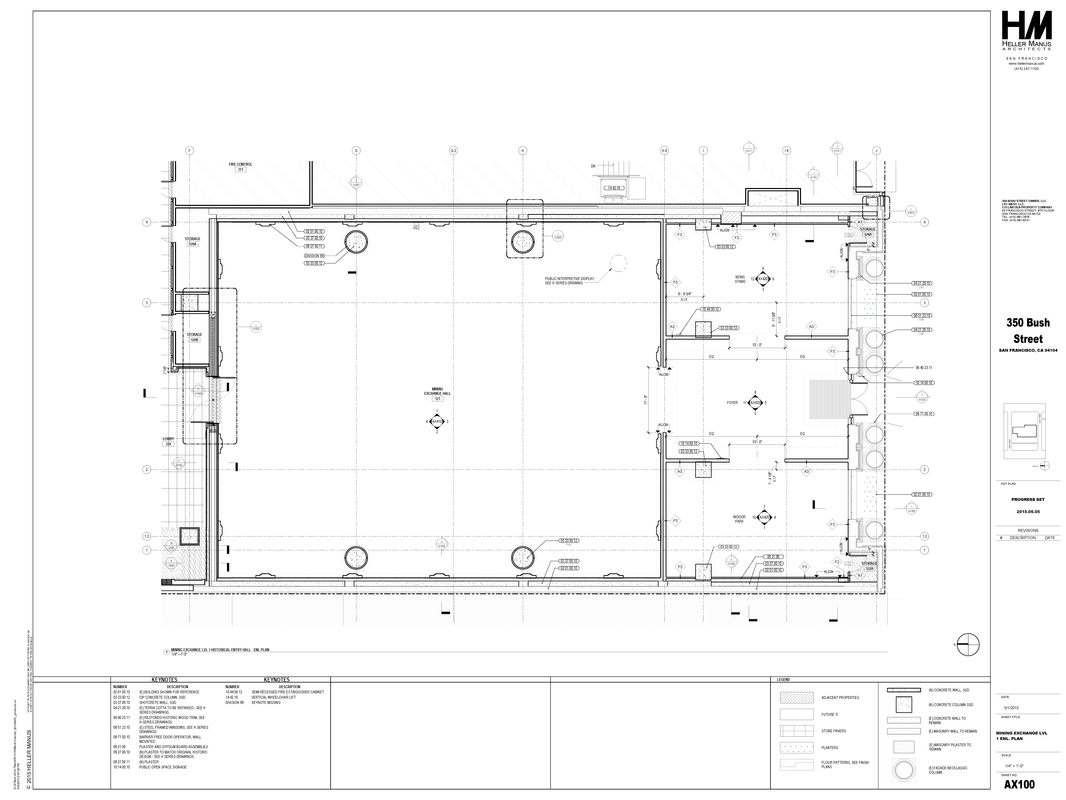
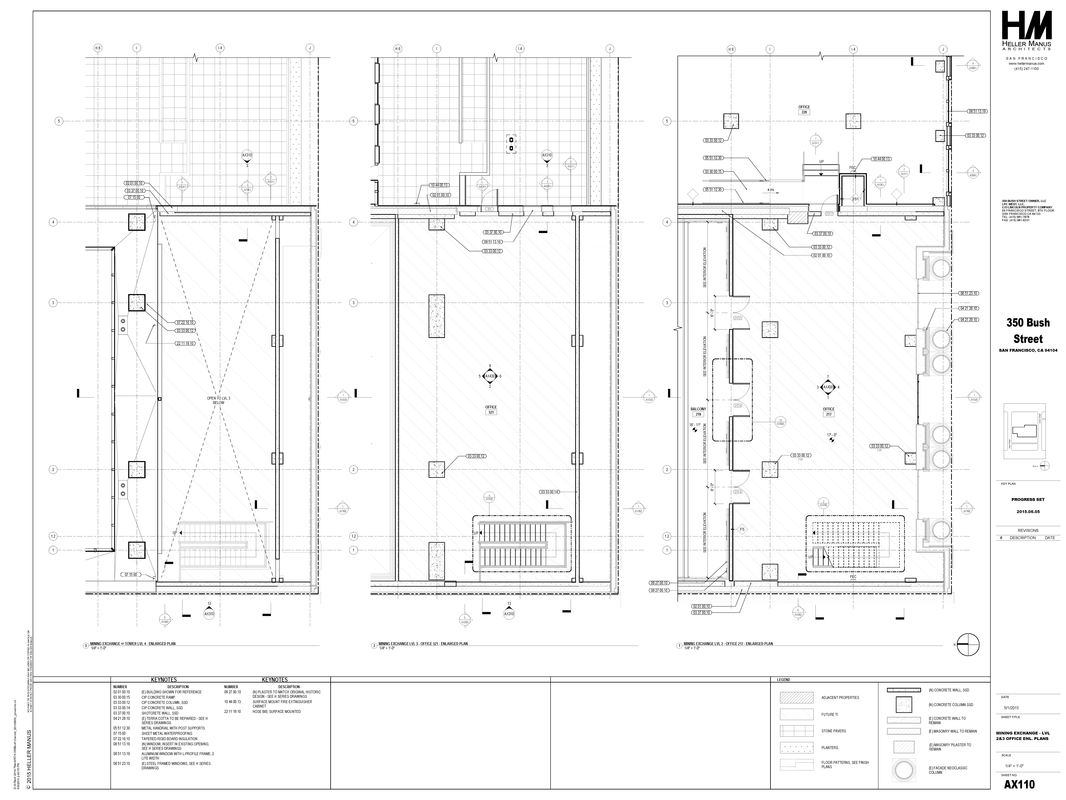
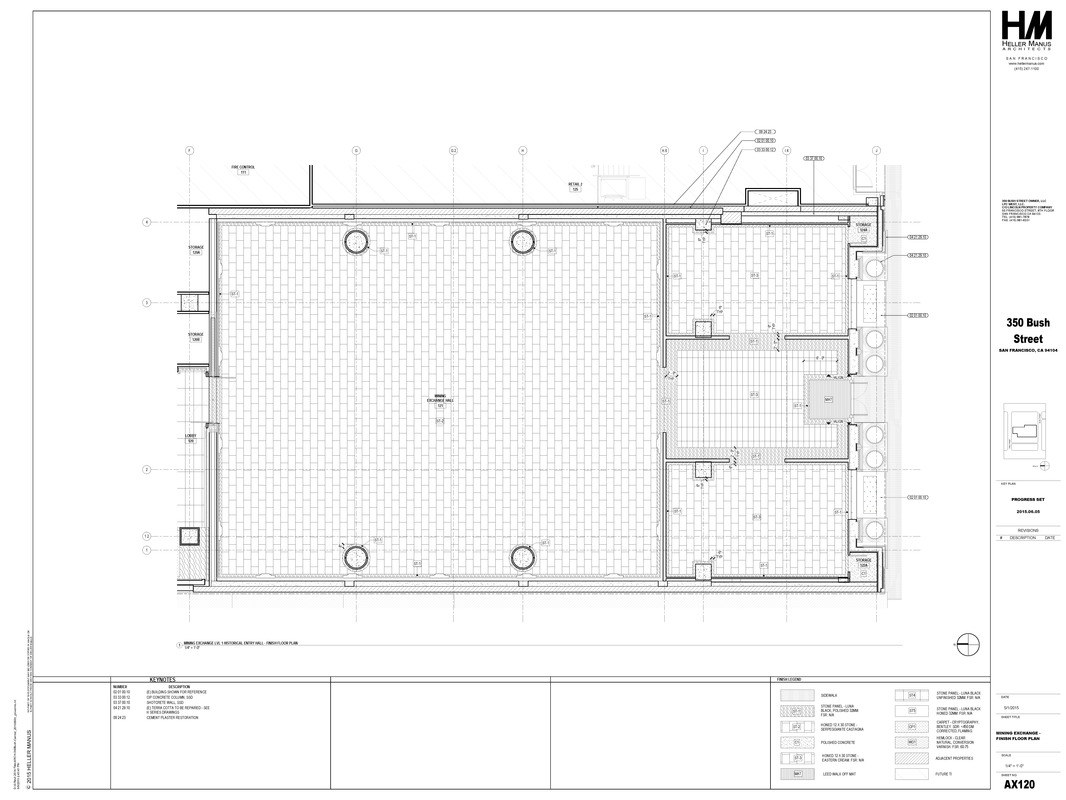
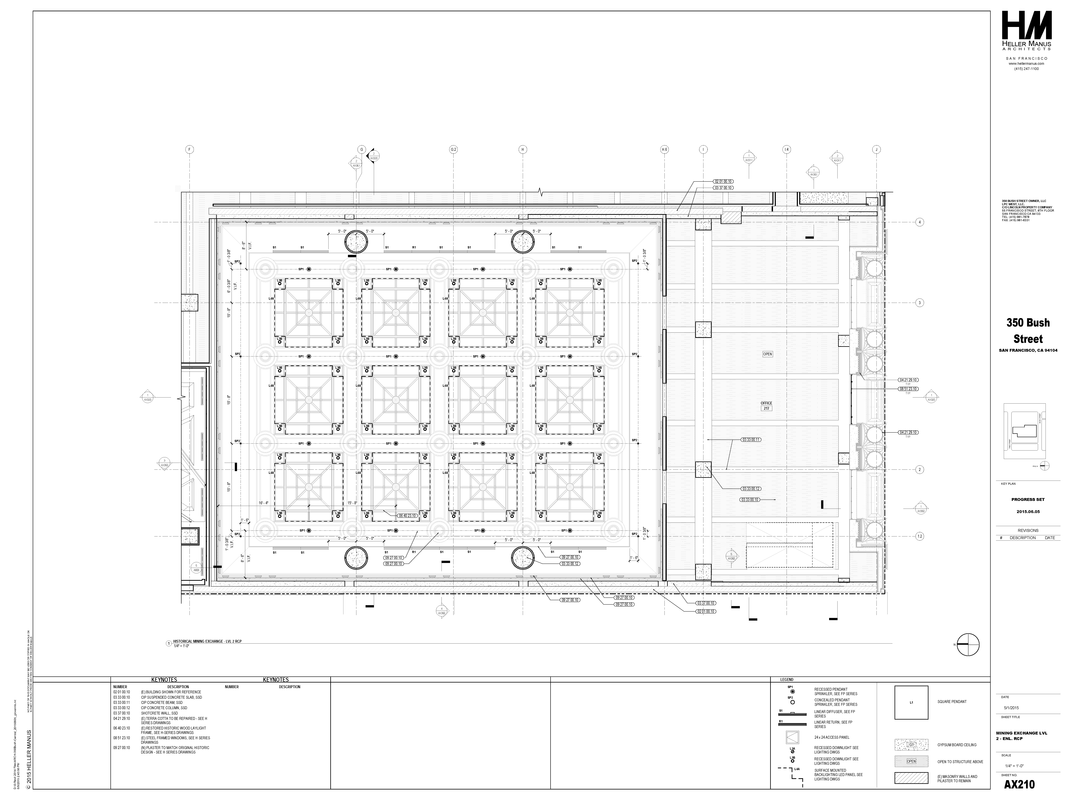
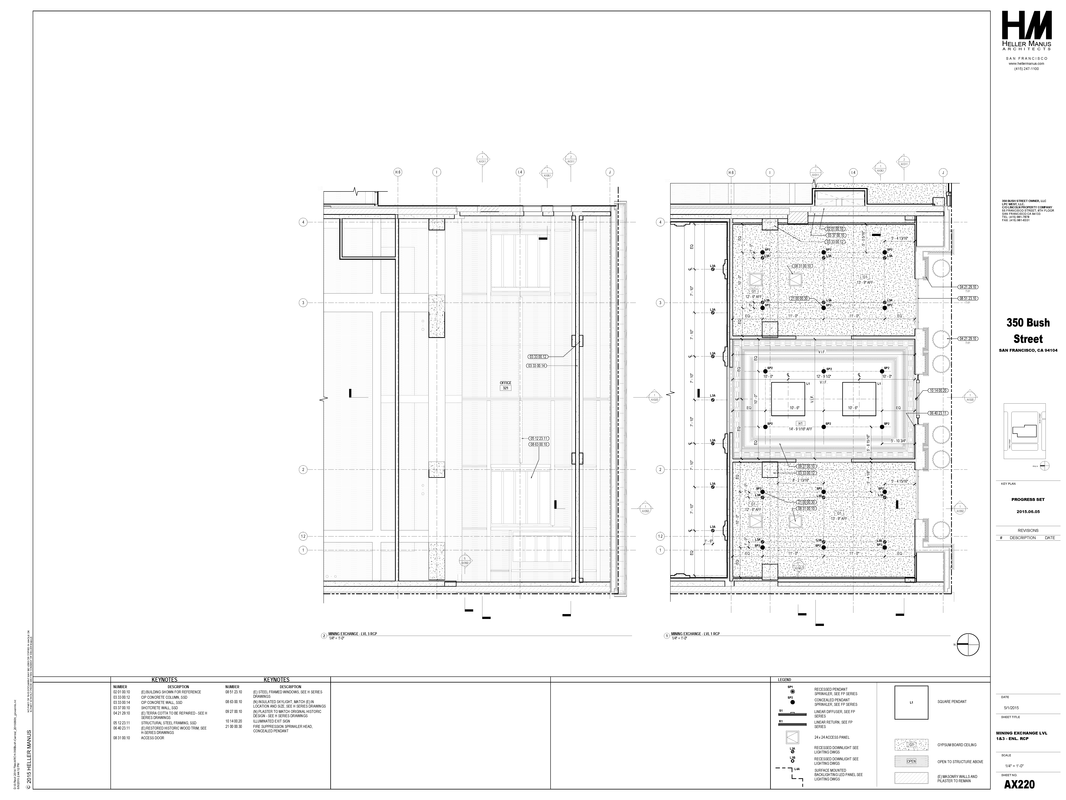
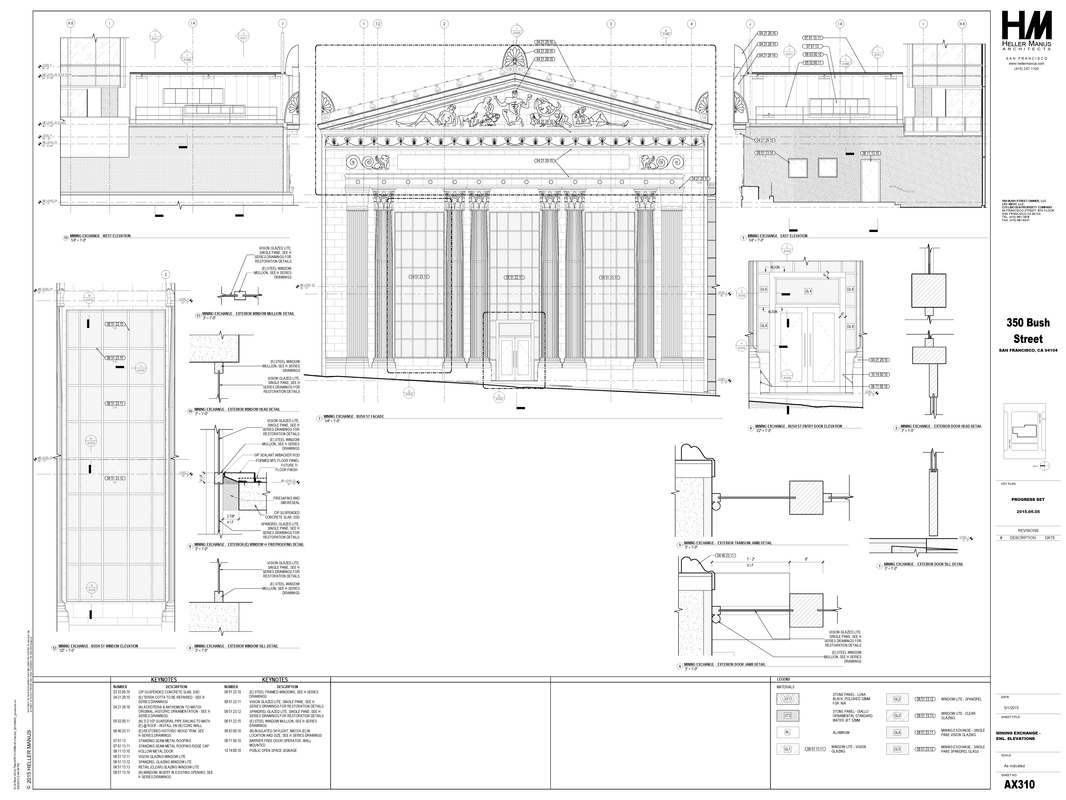
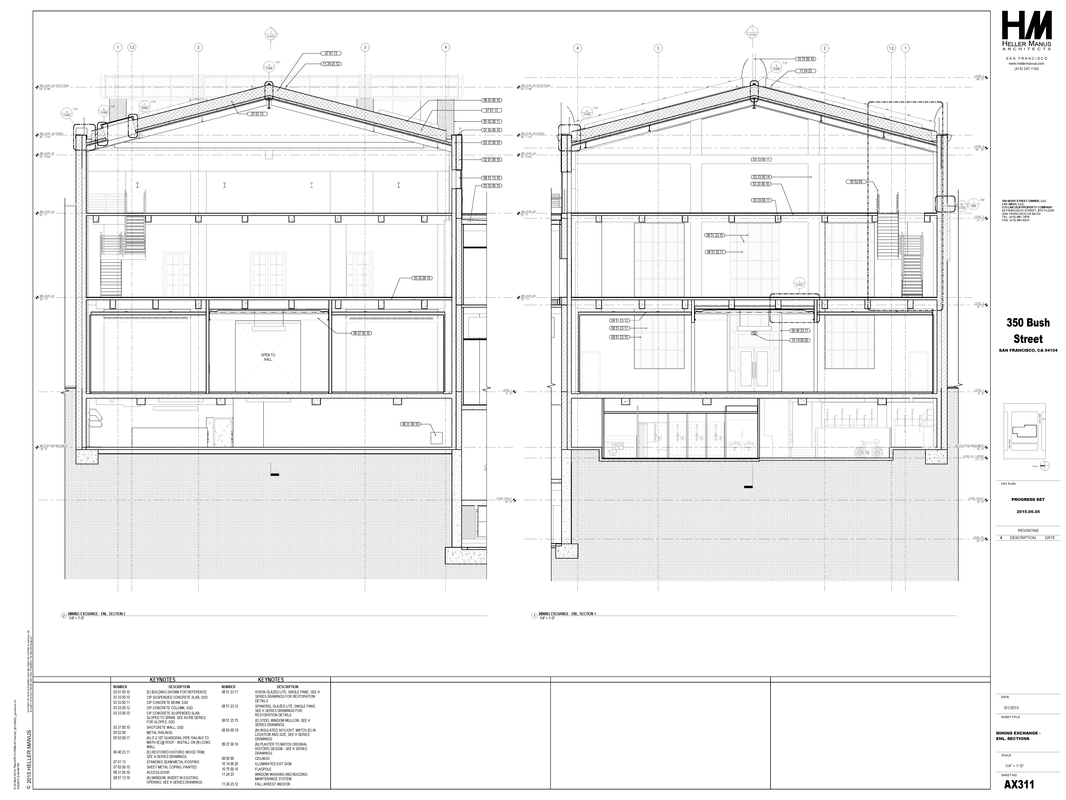
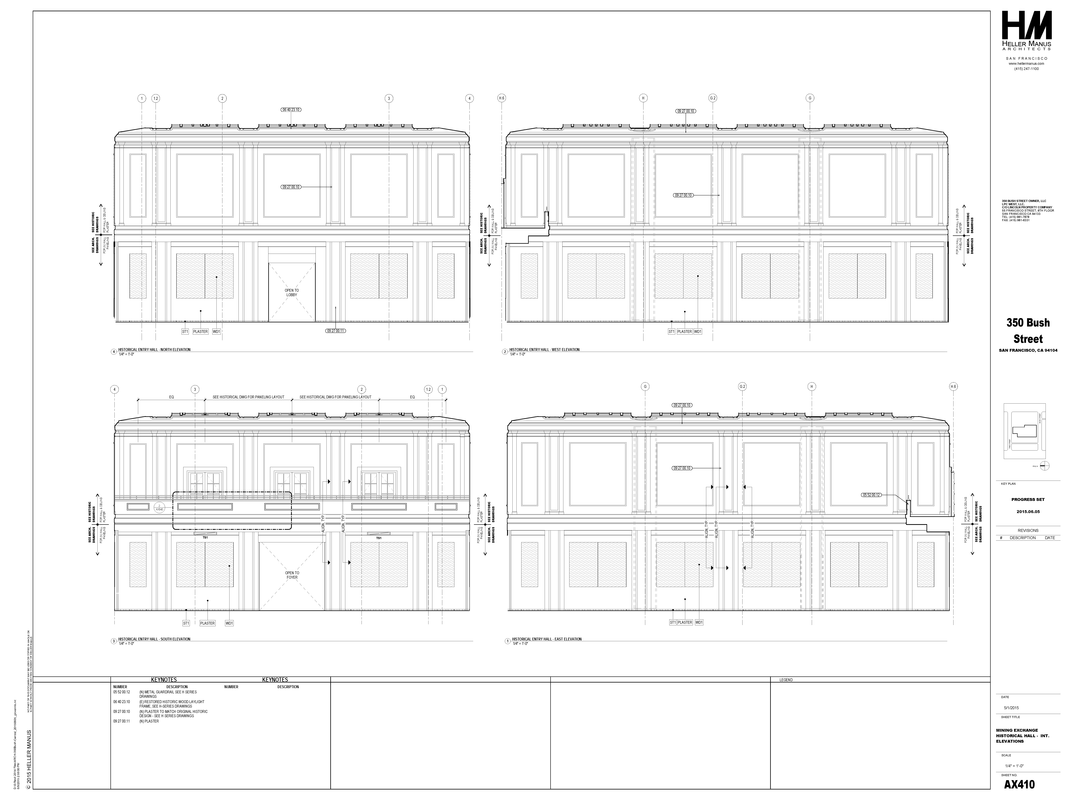
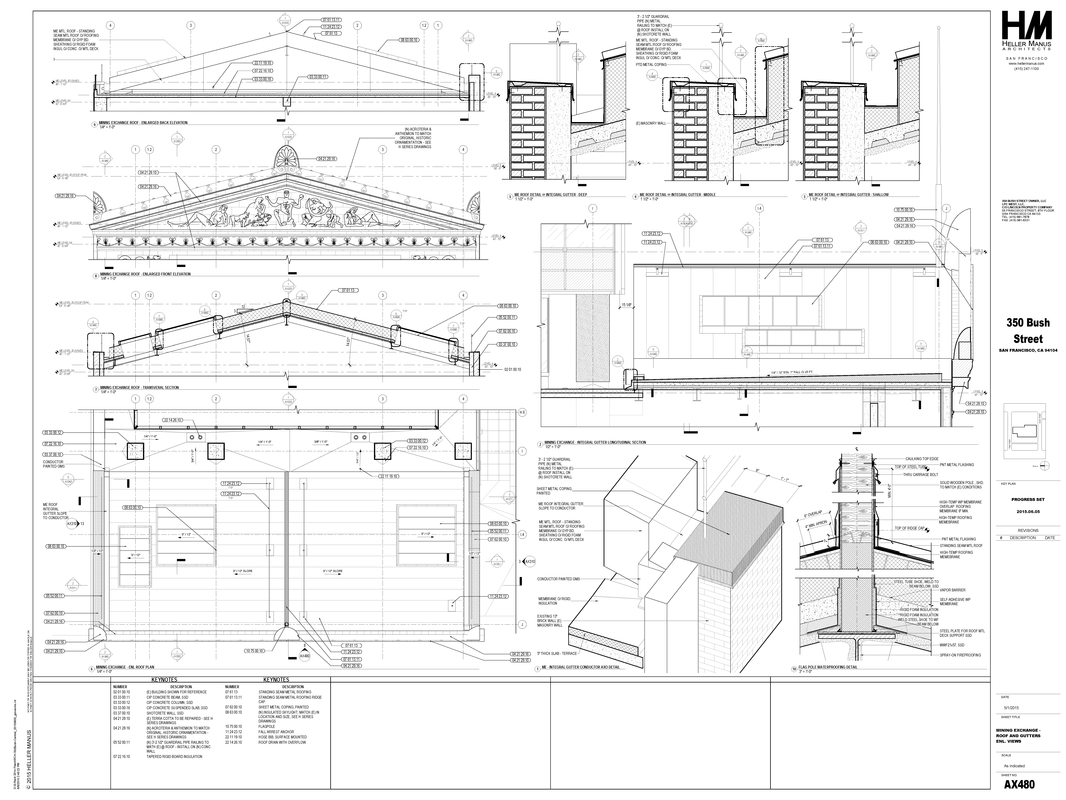
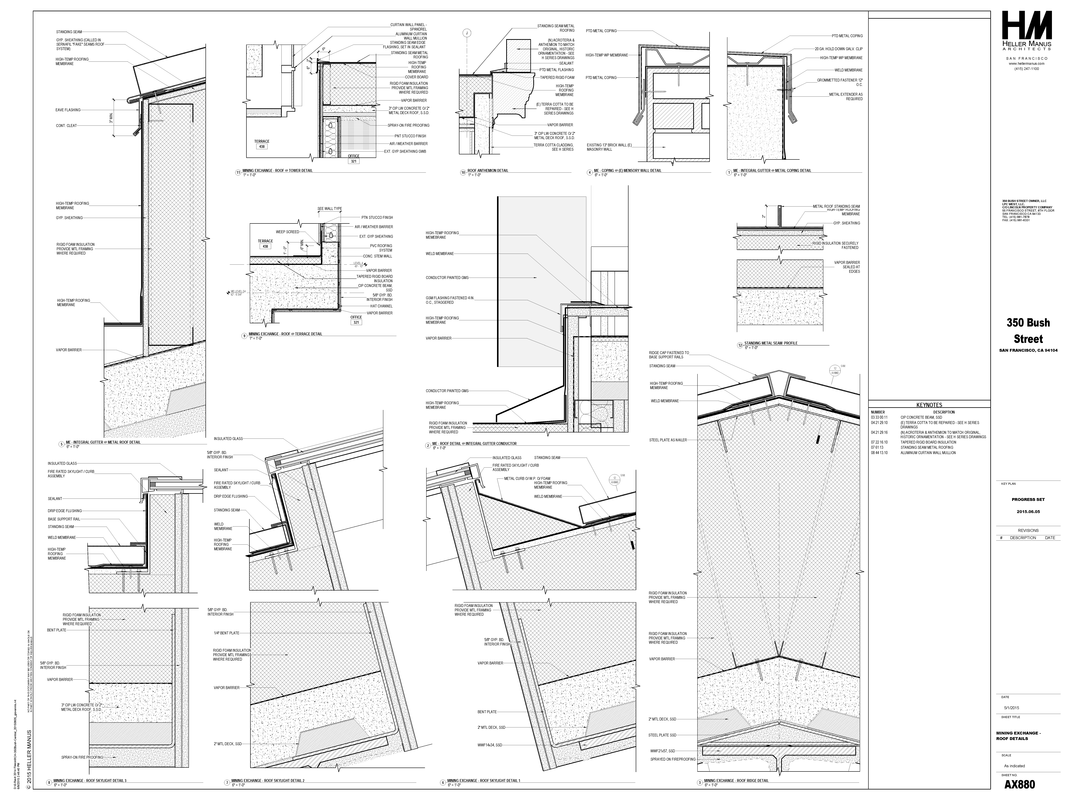
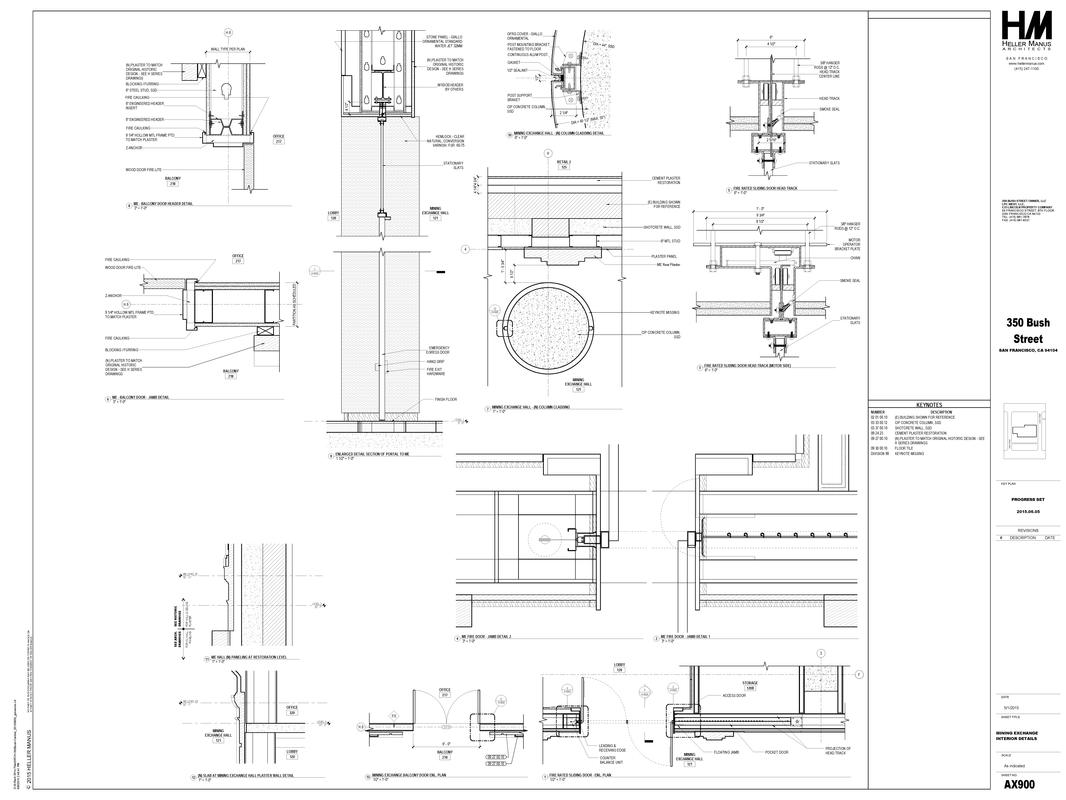
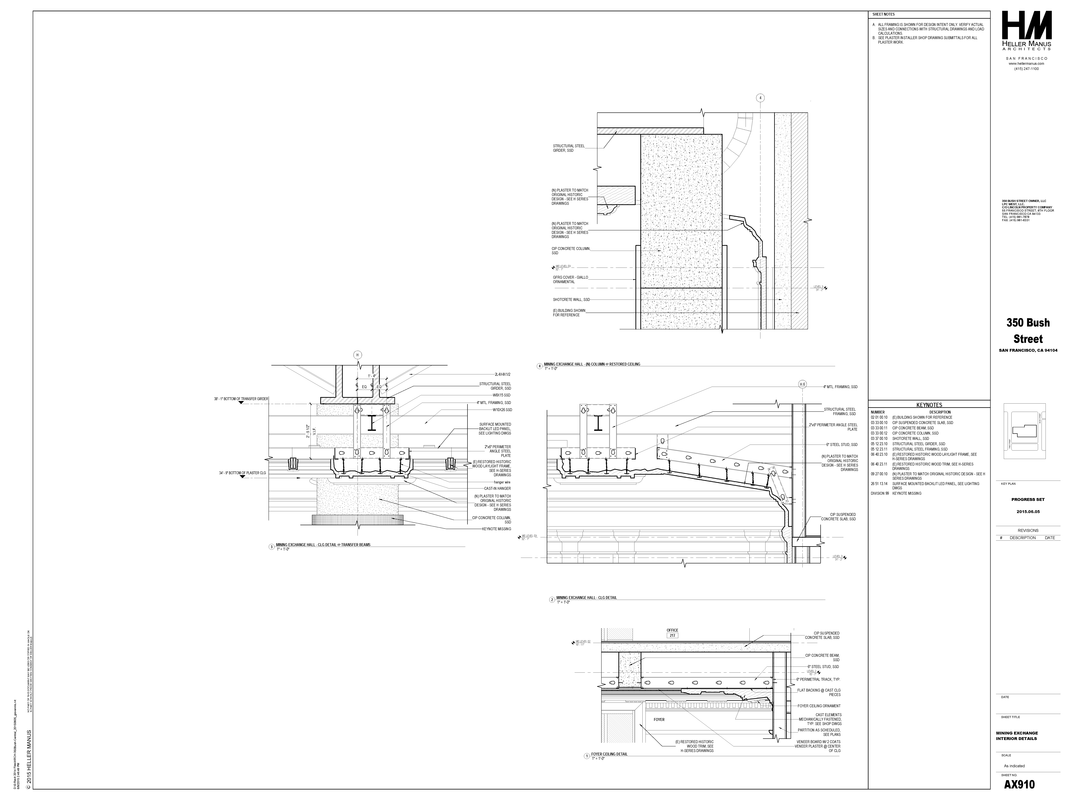
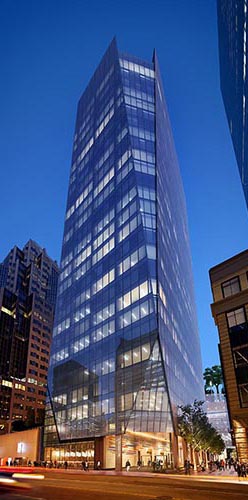
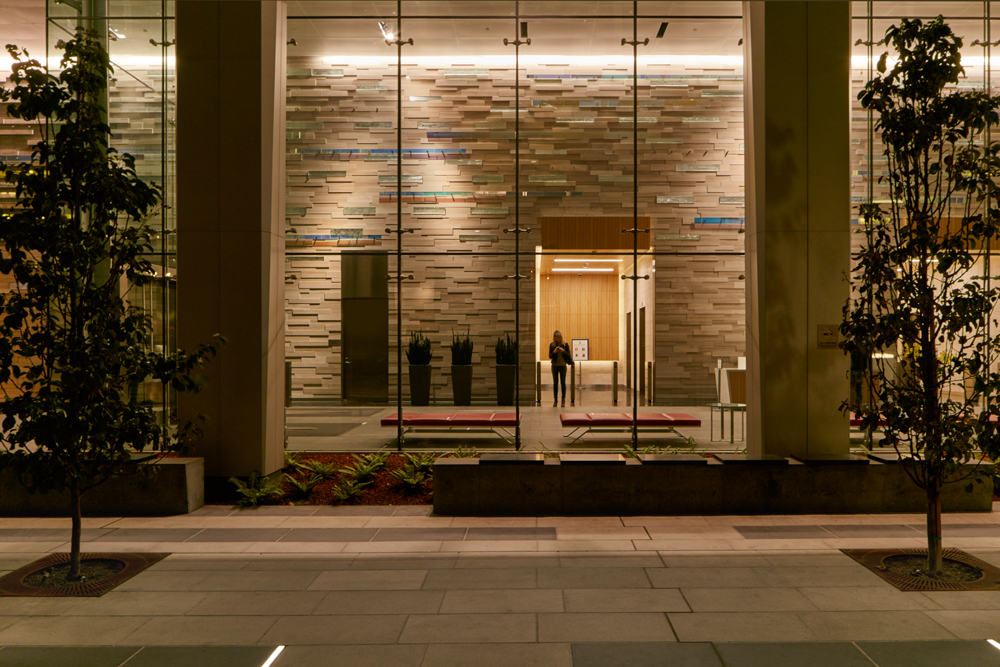
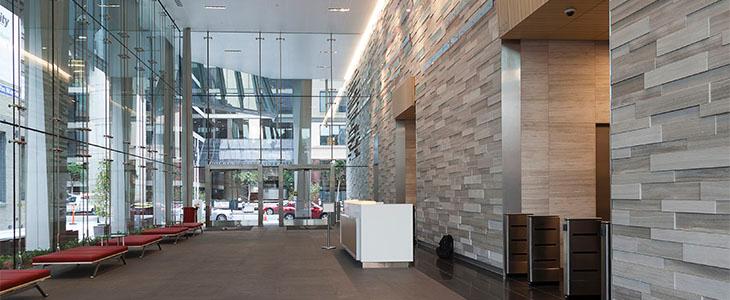
This high-rise tower is designed to be erected on top of the former San Francisco Mining Exchange building, a Neo-classic Greek temple facade with a richly decorated interior hall structure to be preserved and restored. I have been working as the Senior Building Professional on the CD set, and as Revit Specialist and designer for the Mining Exchange, the historical portion of the project.
Below, an animation I produced from the Revit model.

350 Bush fly-in from Giovanni Succi on Vimeo.

535 Mission St. lobby, San Francisco [While at HOK]

11/1/2013

 
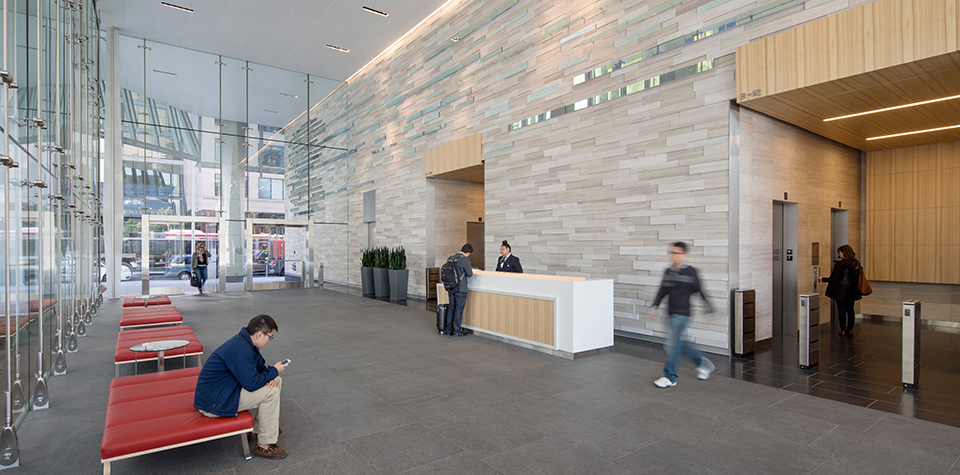
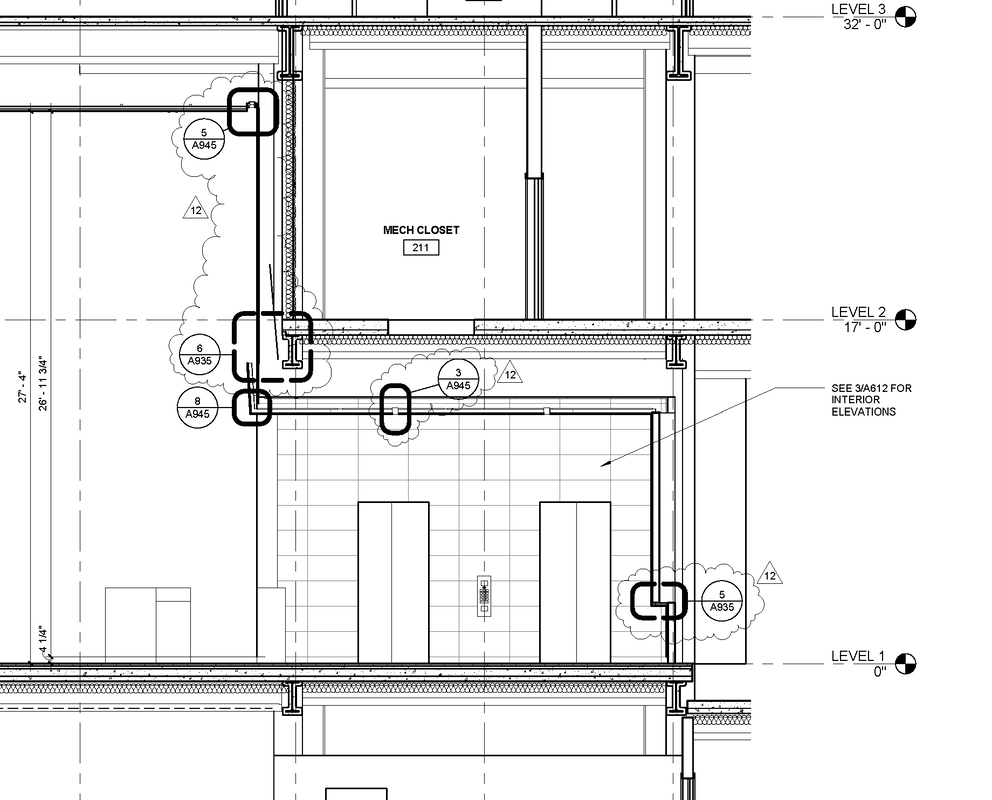
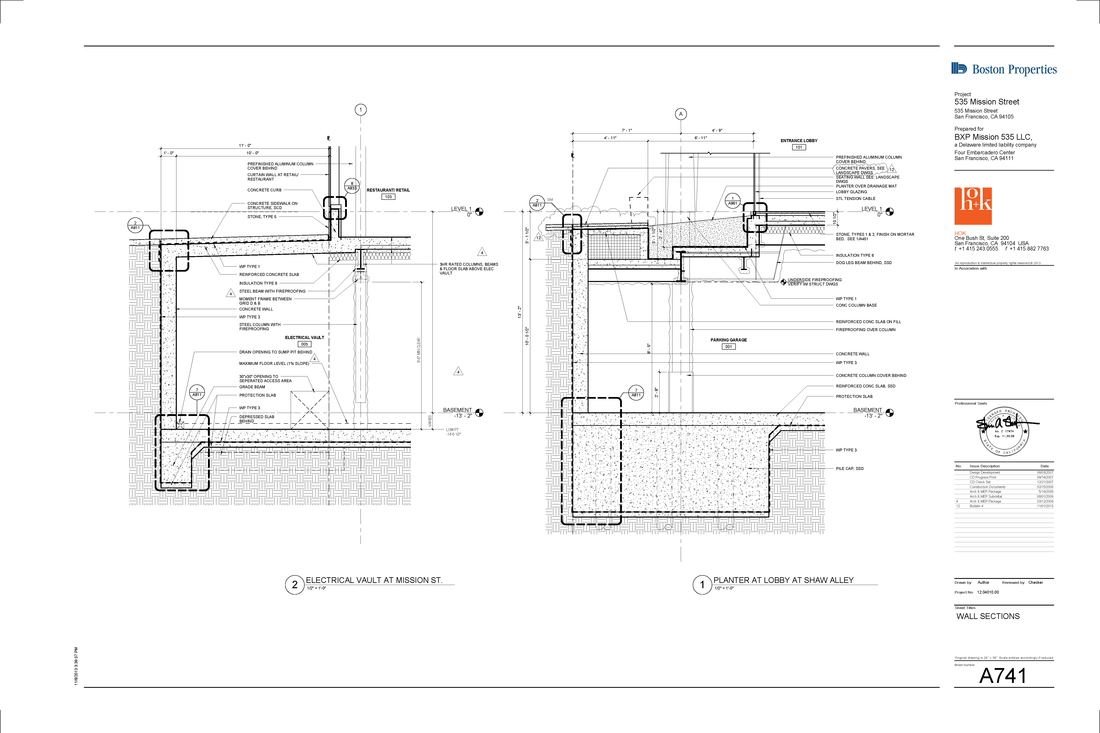
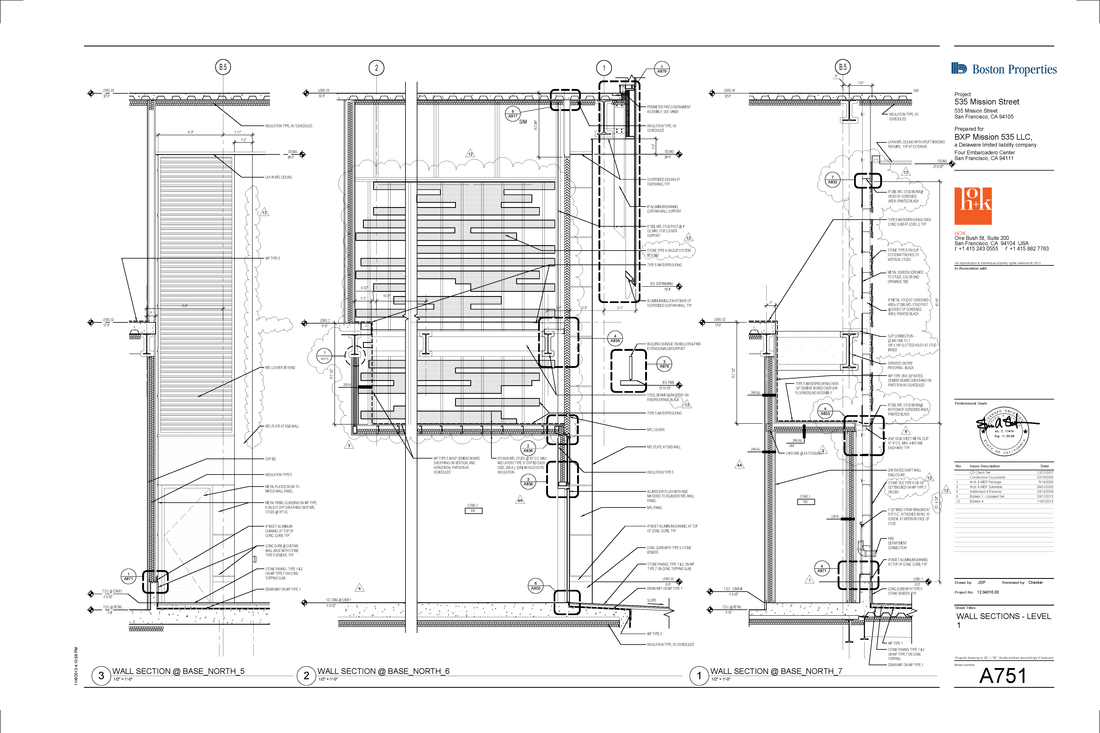
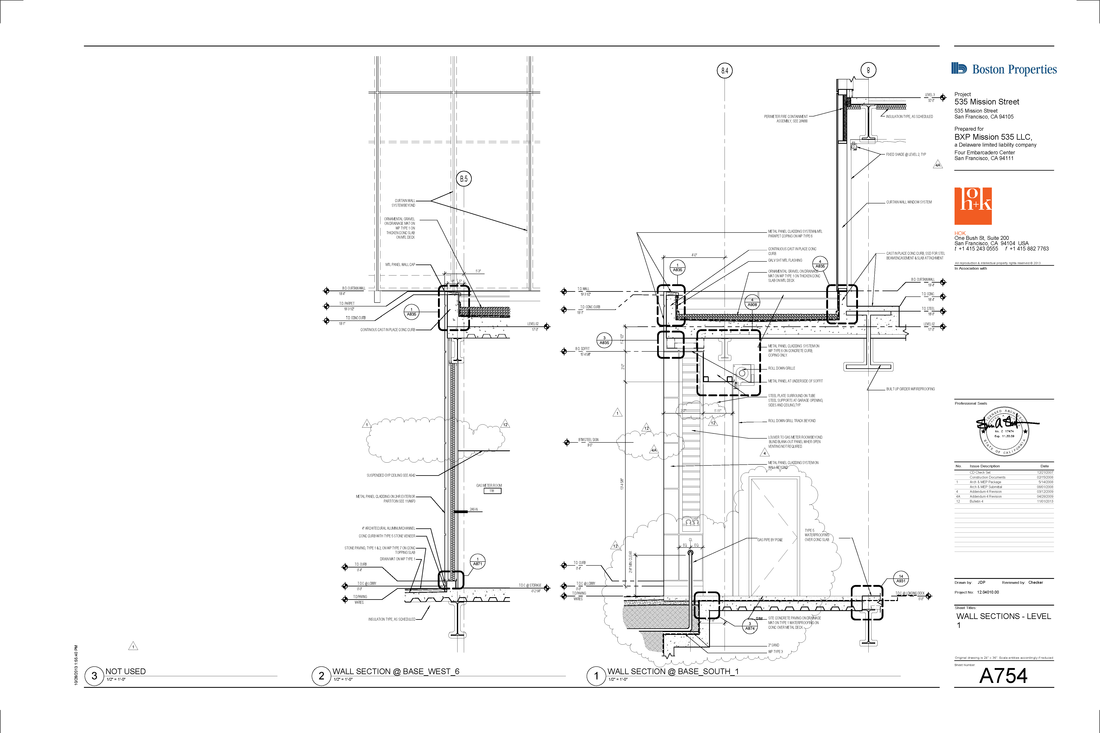
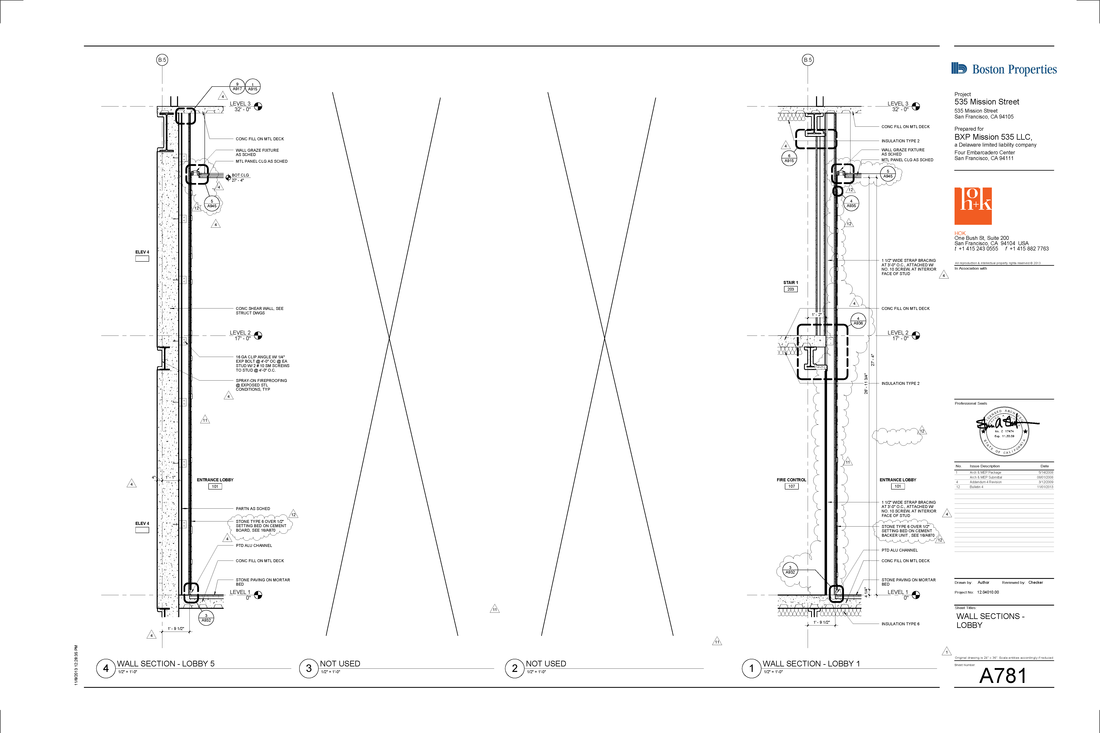
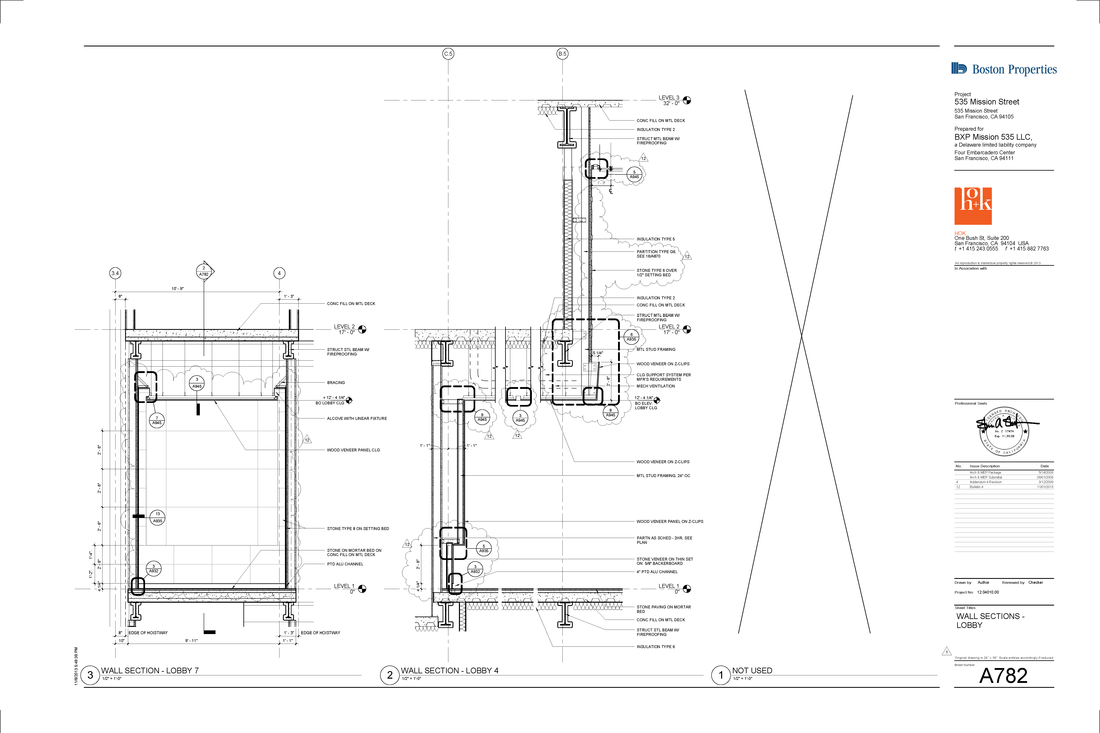
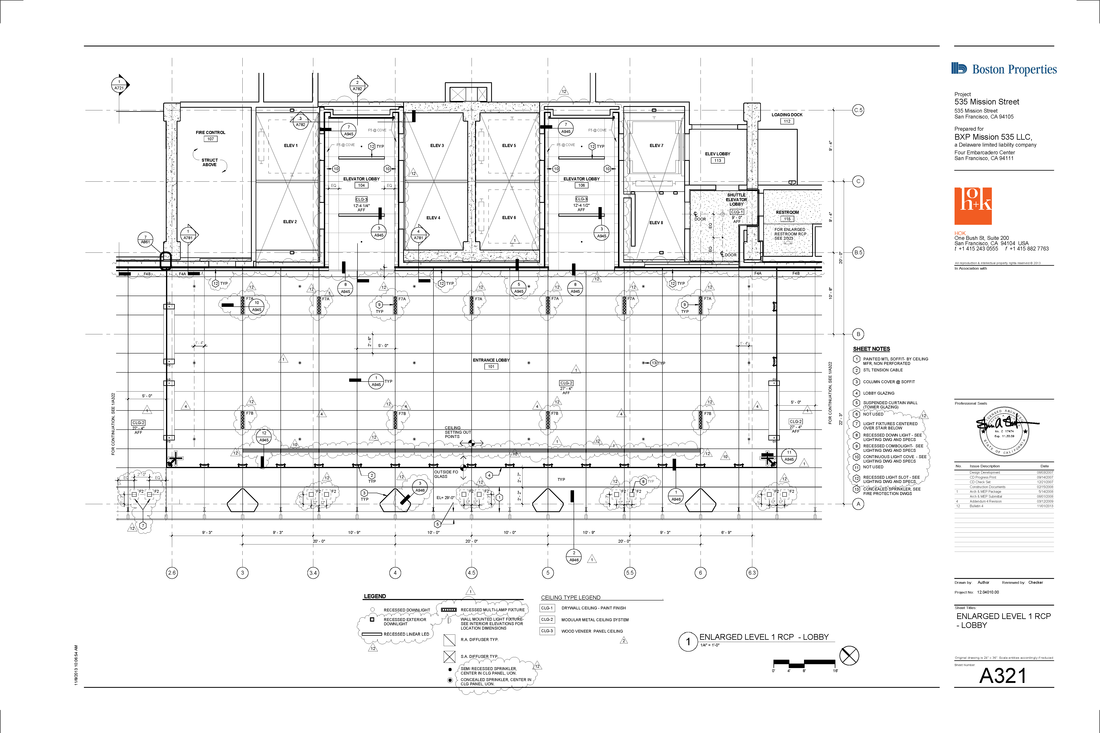
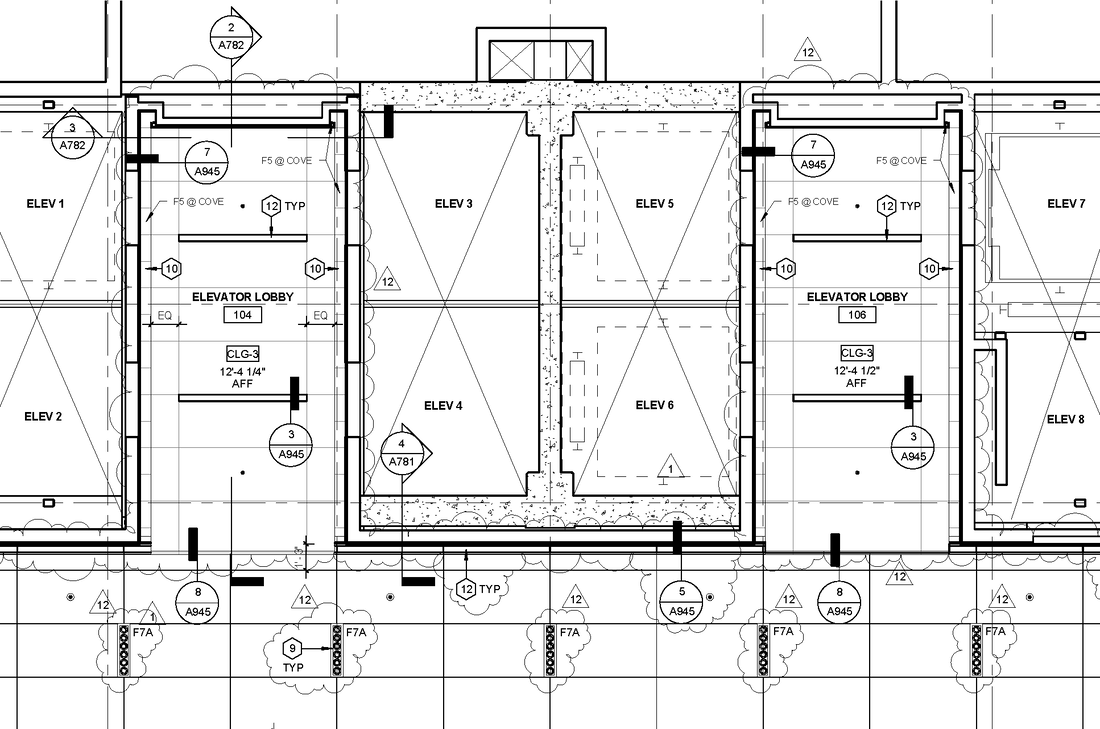
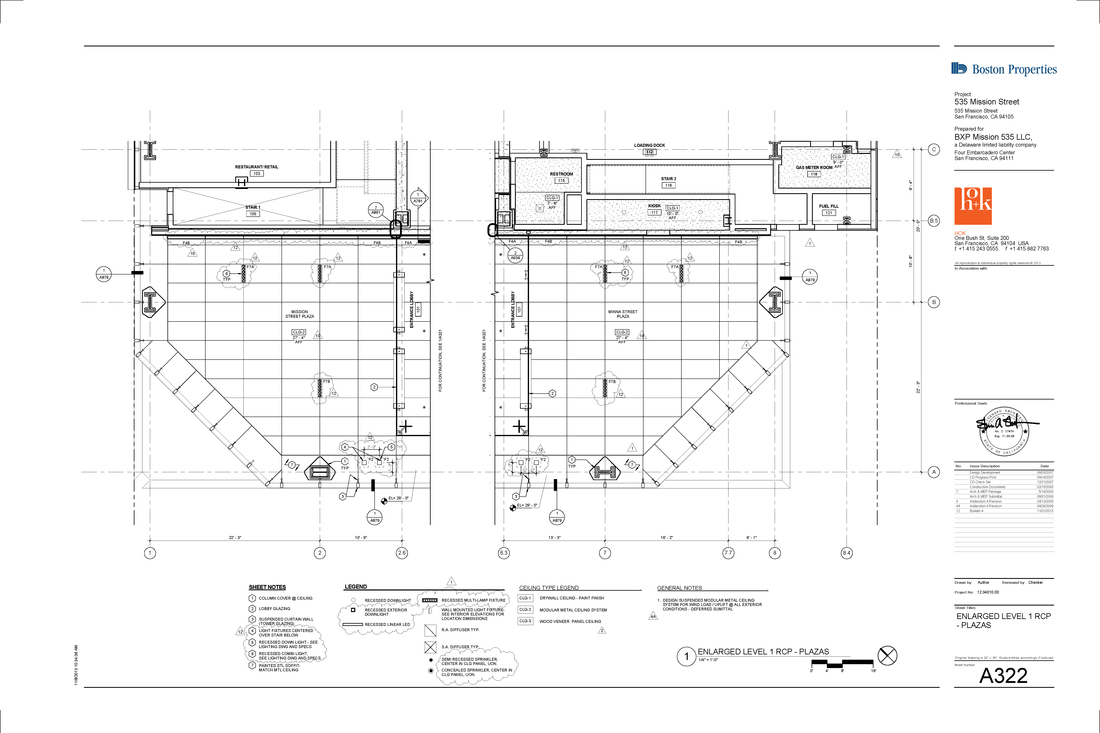
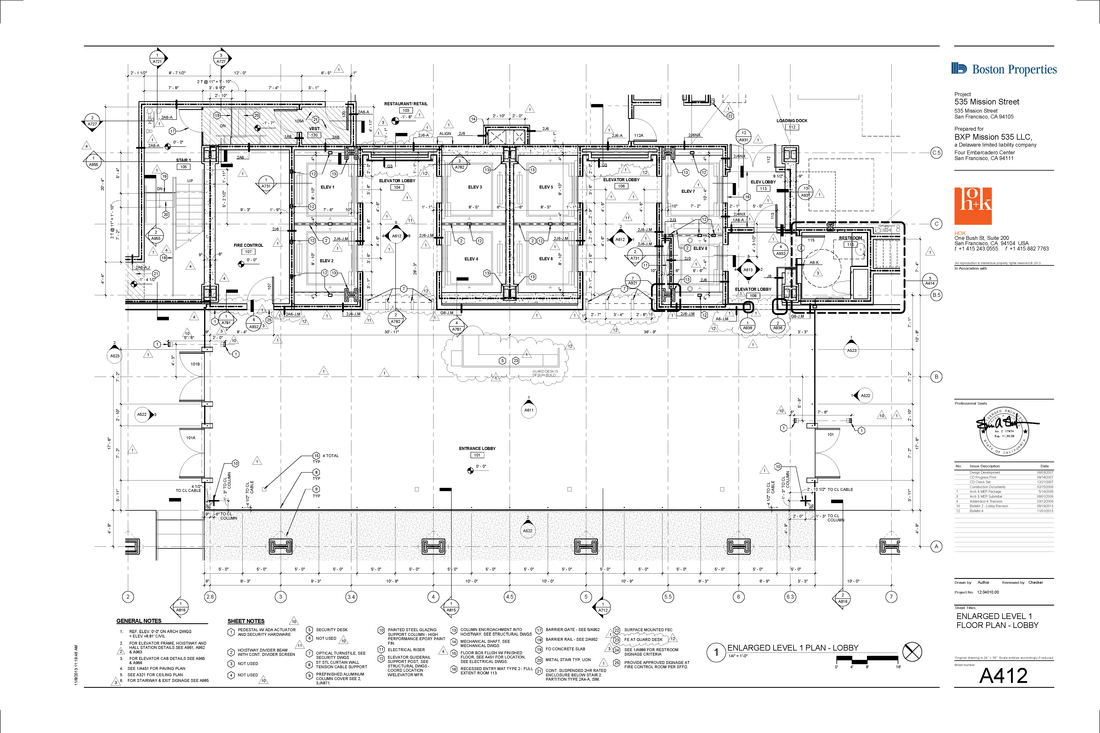
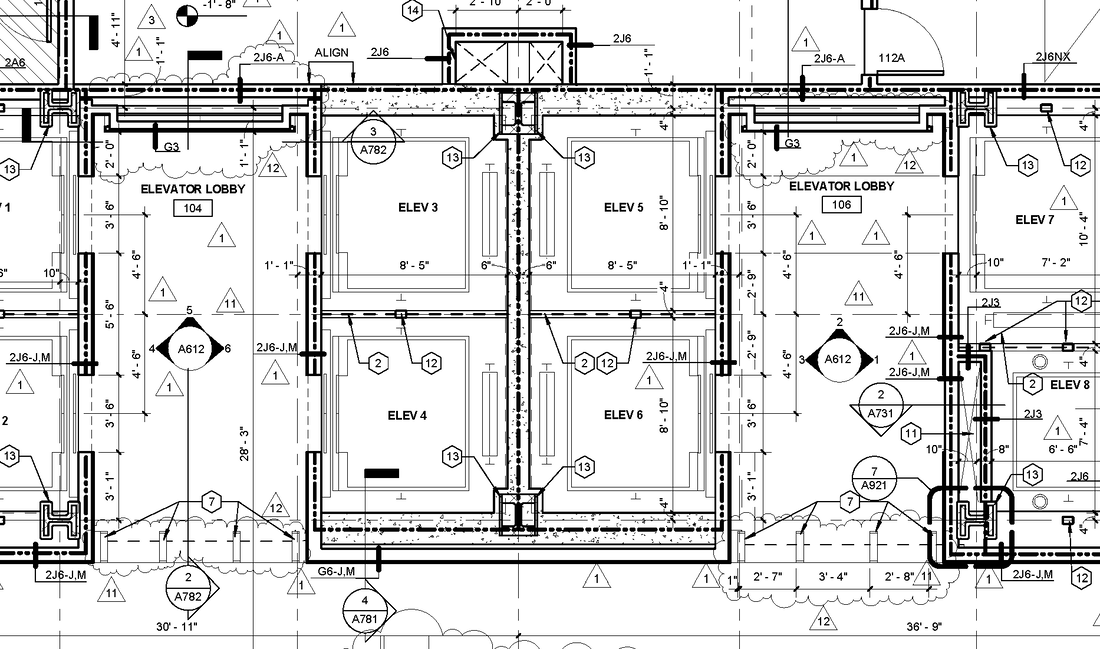
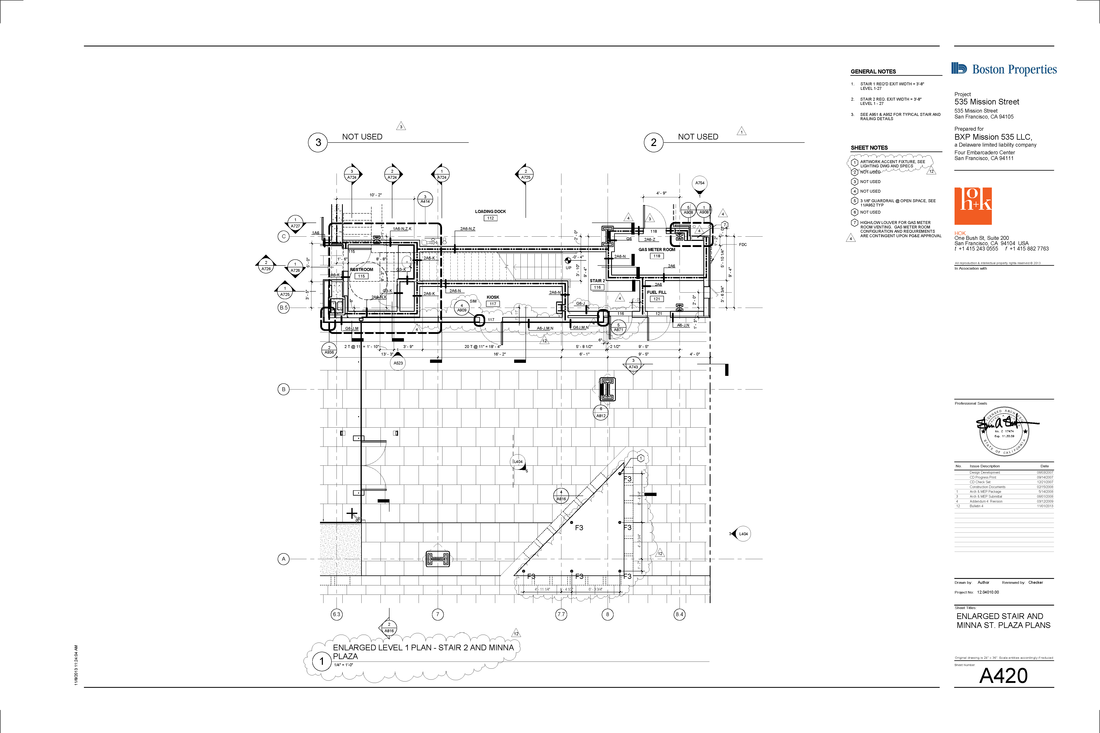
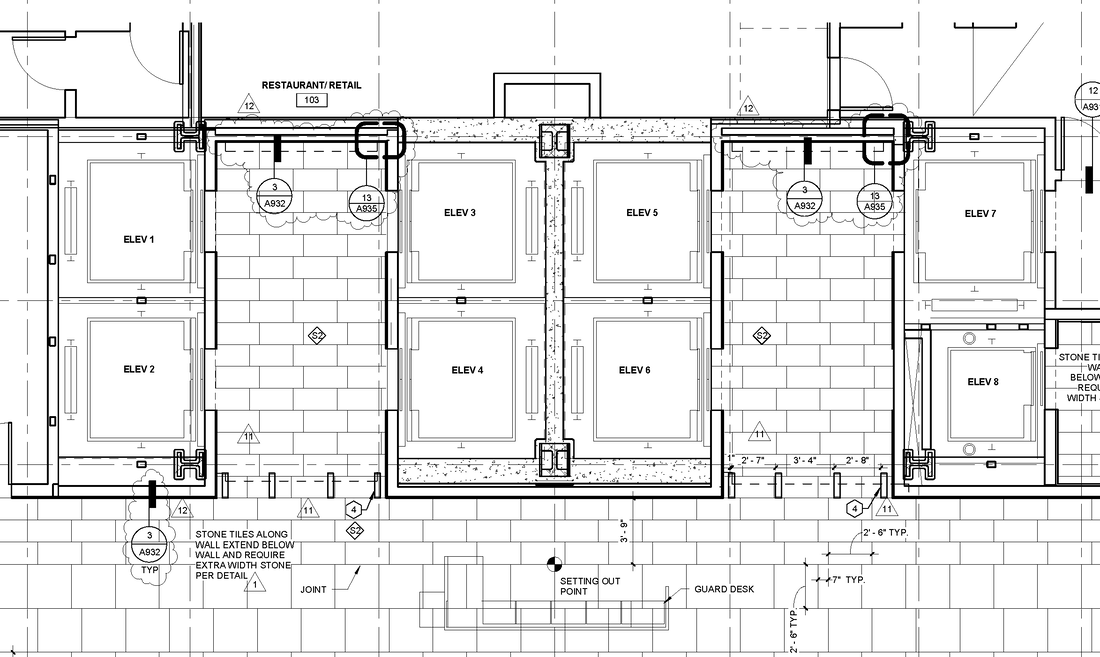
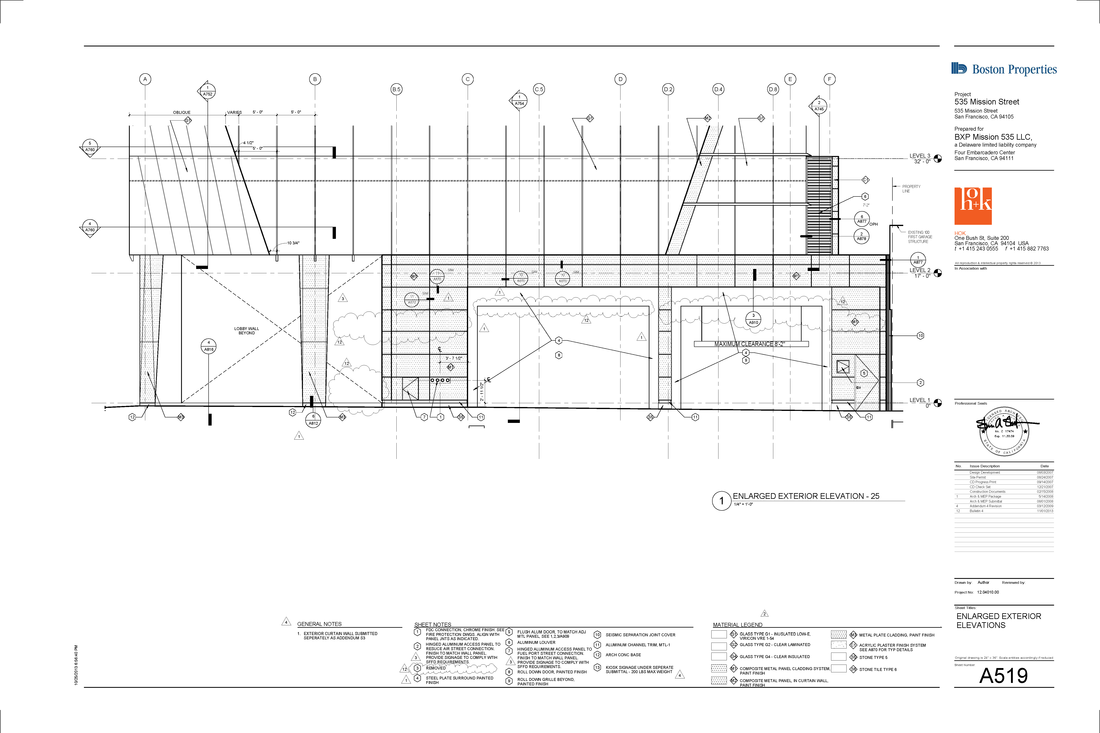
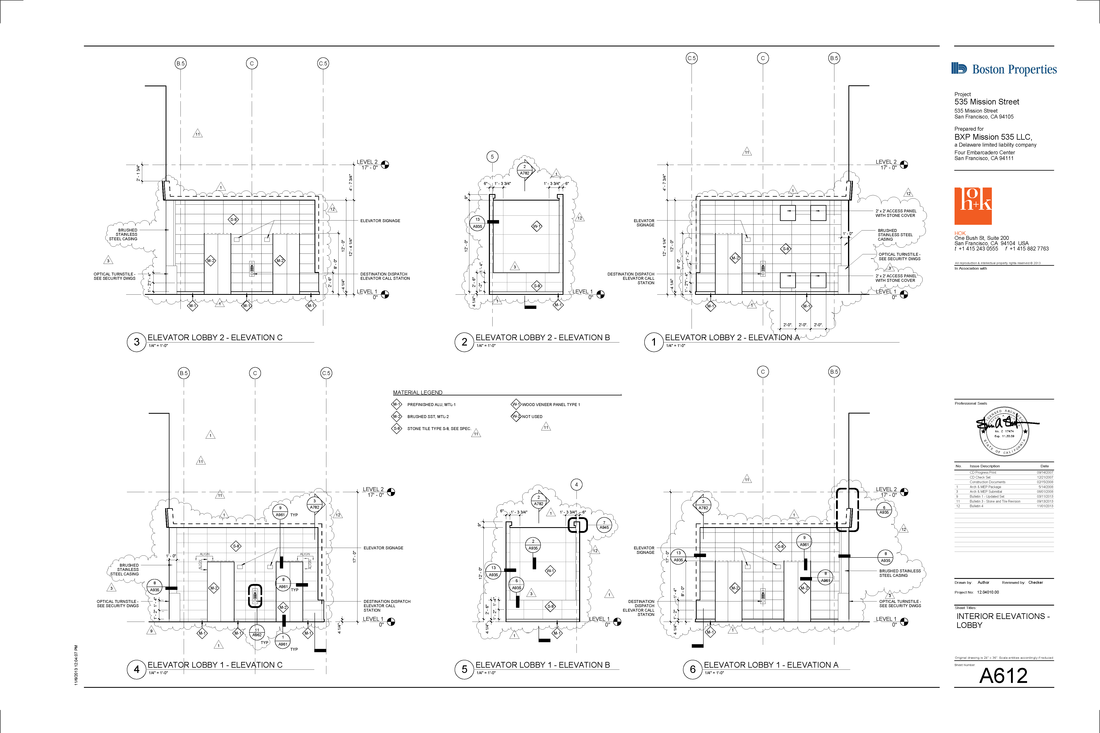
For this high-rise building I have helped with the Bulletin #4, issued for the street lobby. In particular, I have remodeled and documented the elevator alcoves with their wood and stone paneling. I have also revised the RCP and other Revit drawings.

The Panoramic - 1321 Mission St., San Francisco, CA [While Consulting]

10/4/2011

 
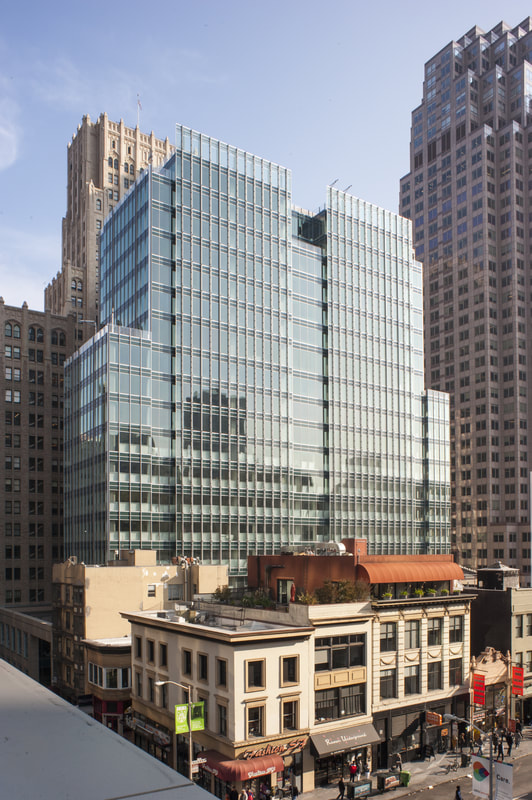
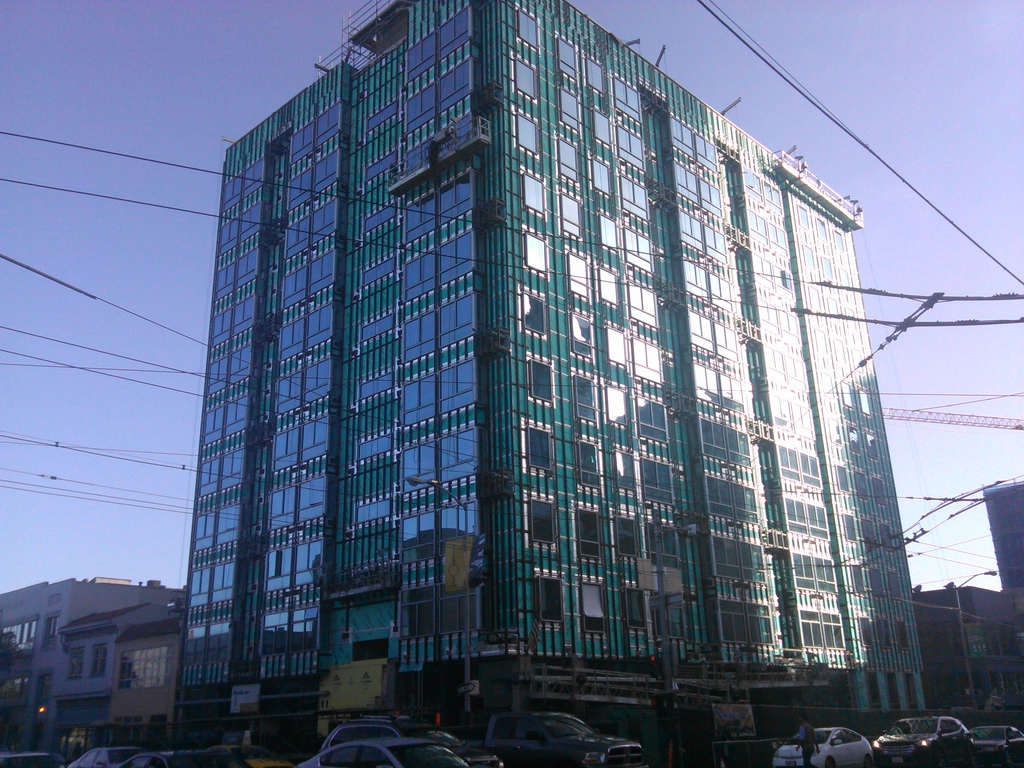
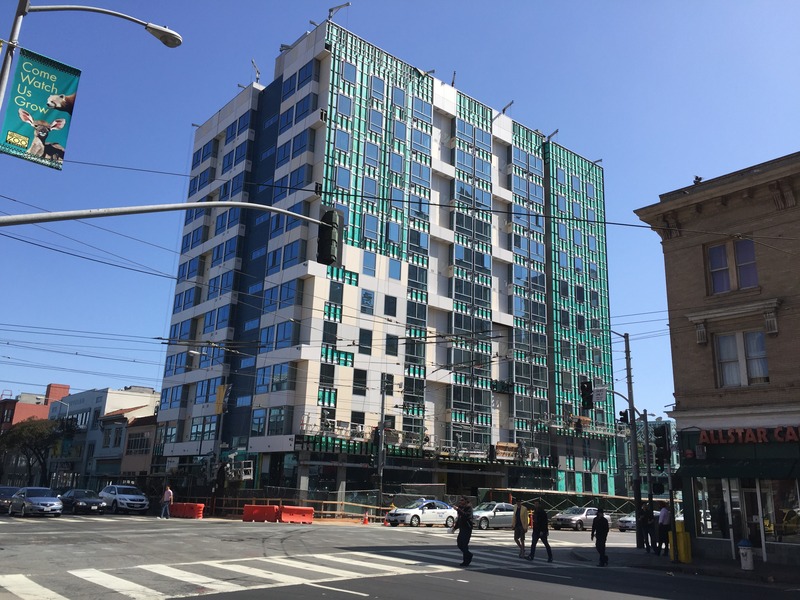
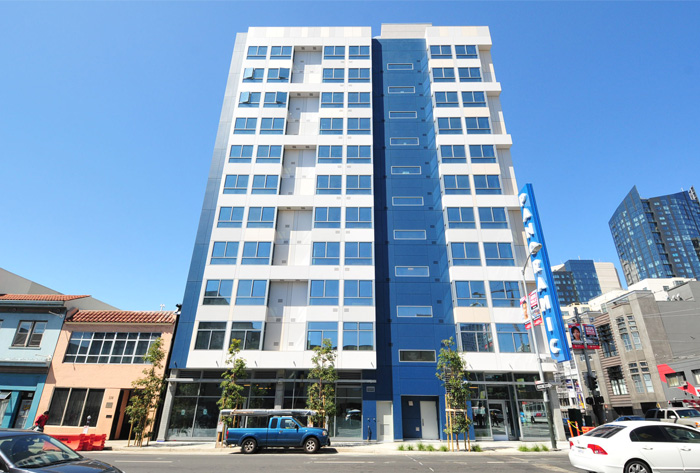
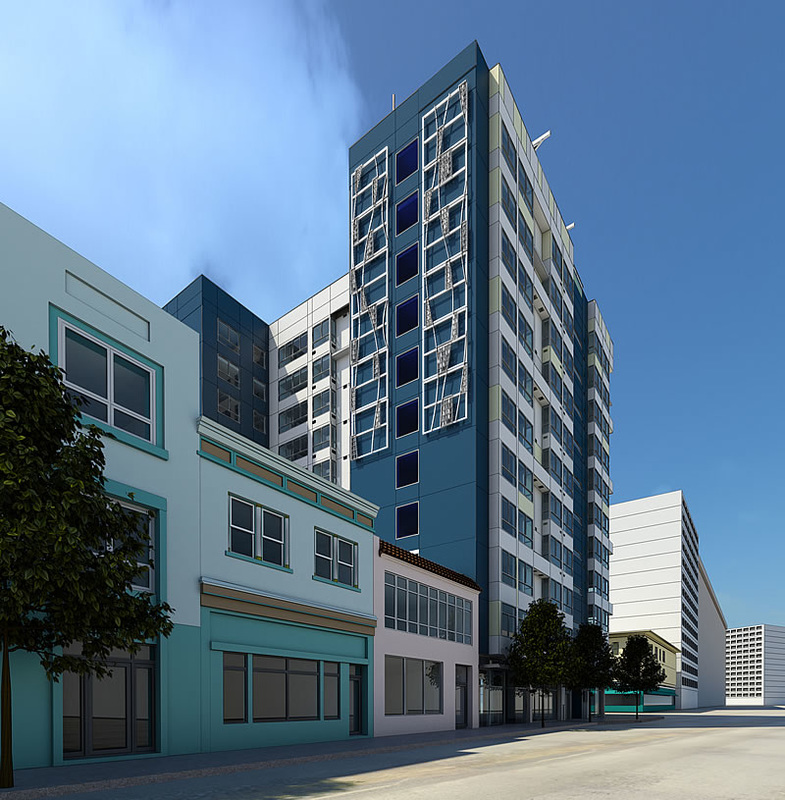
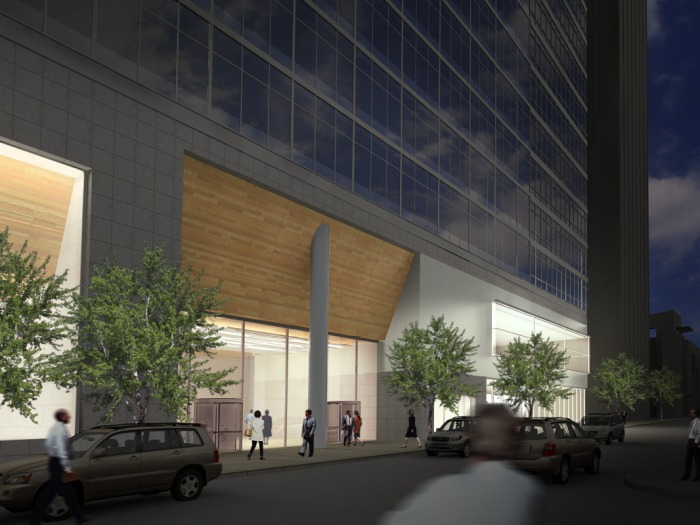
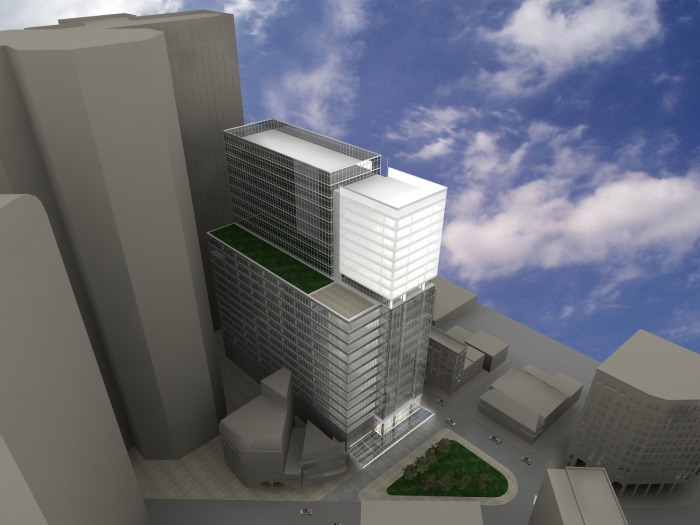
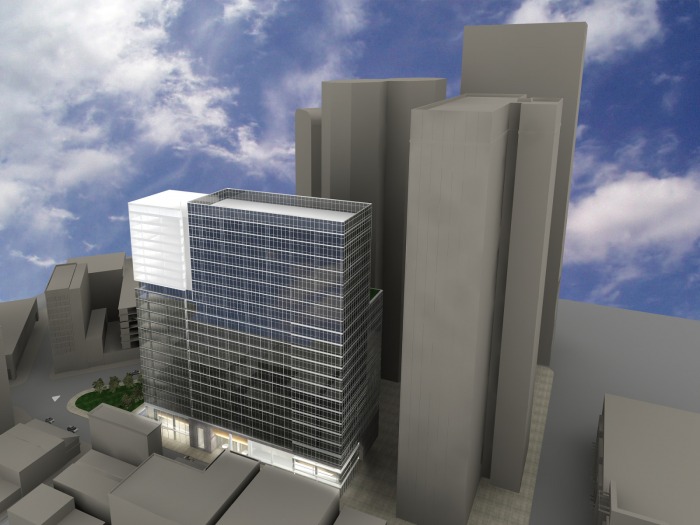
For this 108,000 SF, 120 FT tall, 11 stories, high-rise residential building I have provided BIM modeling and visualization services. Starting from a Sketchup model and DWG backgrounds, I have created and rendered the model in Revit (shell only).

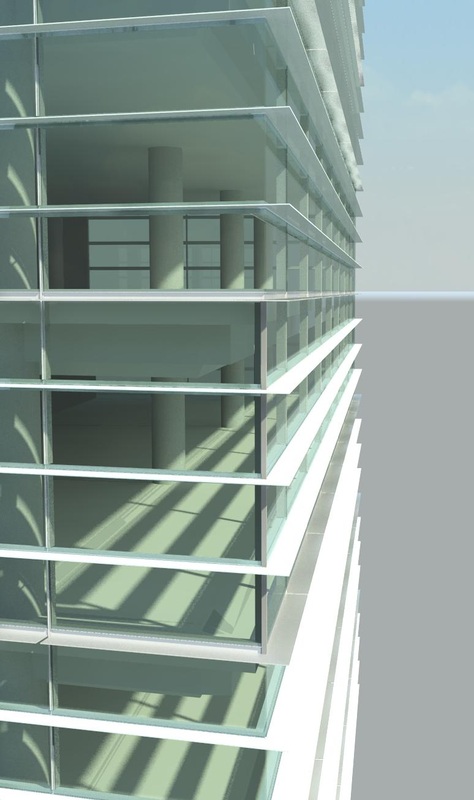
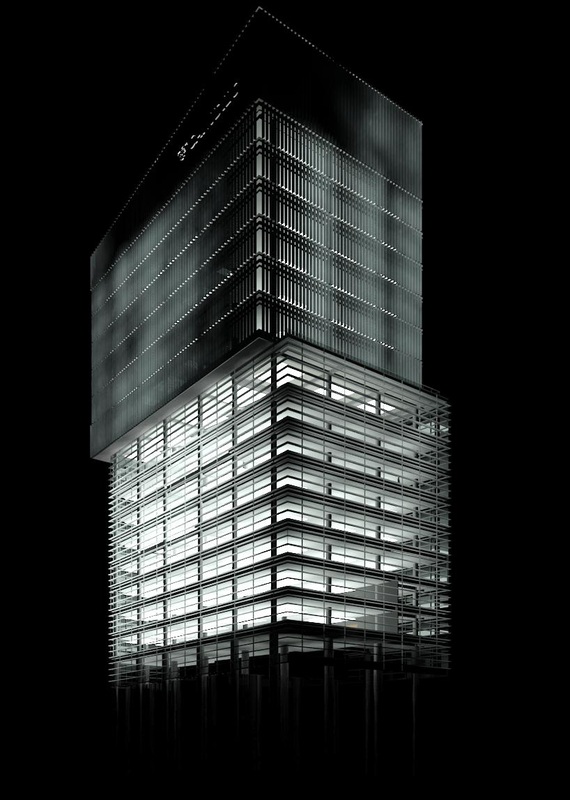
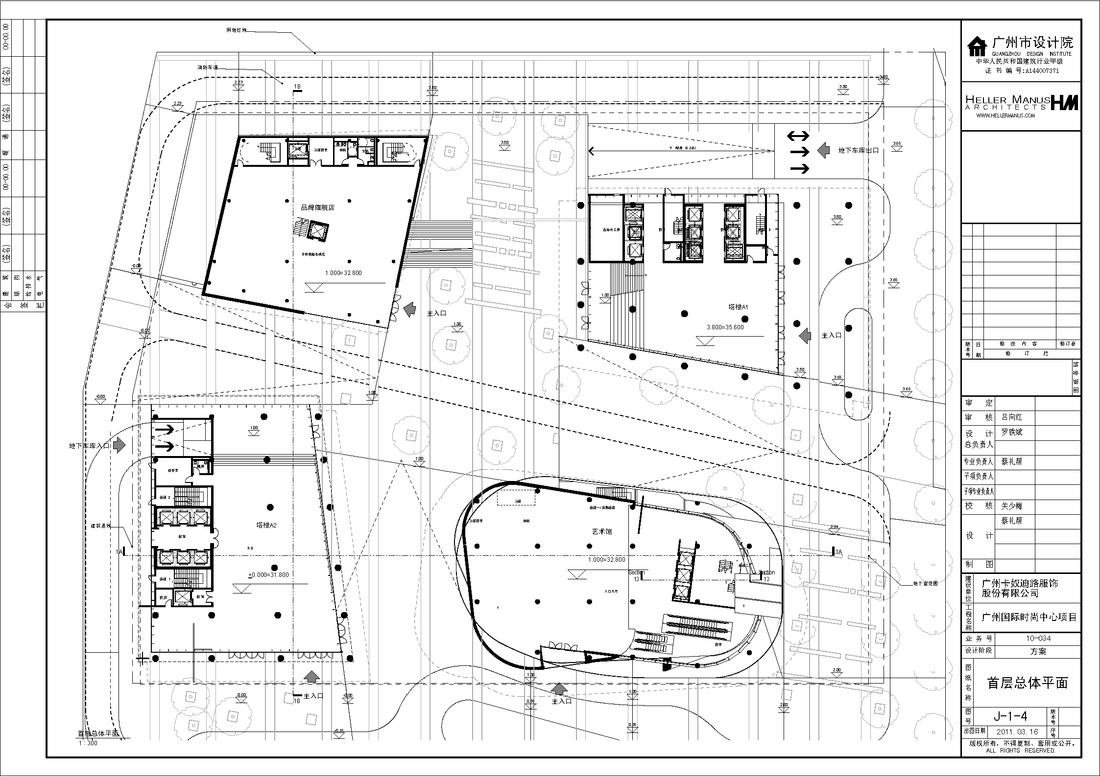
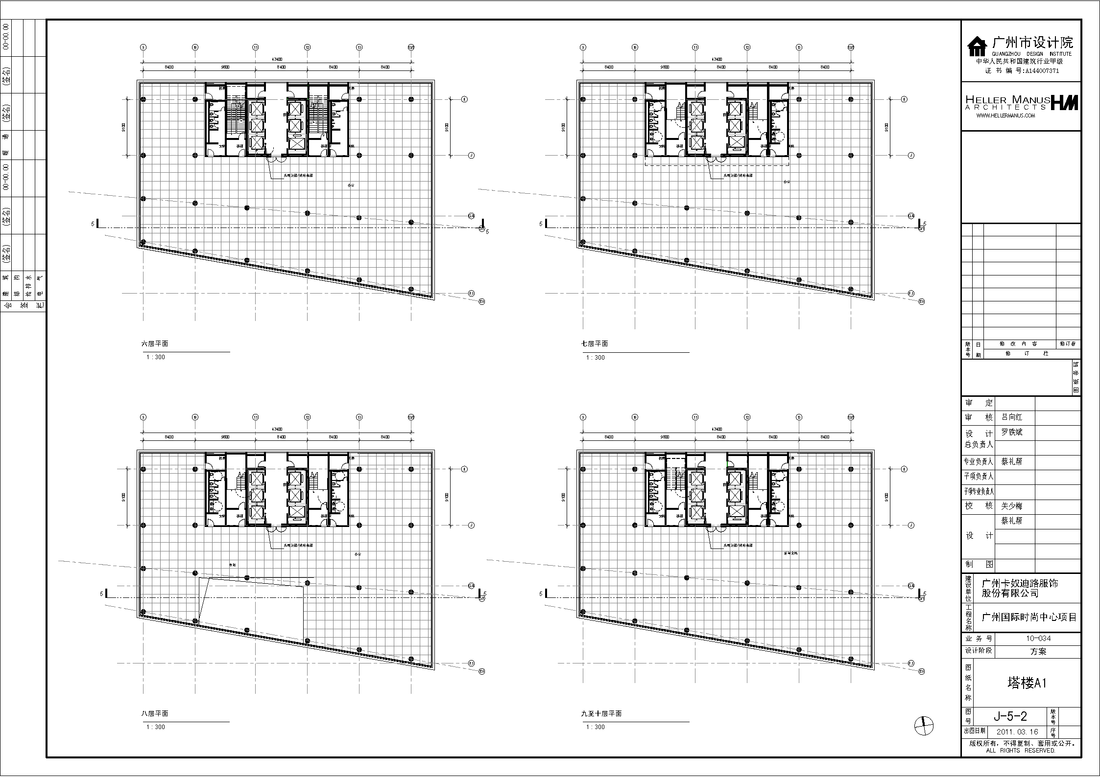
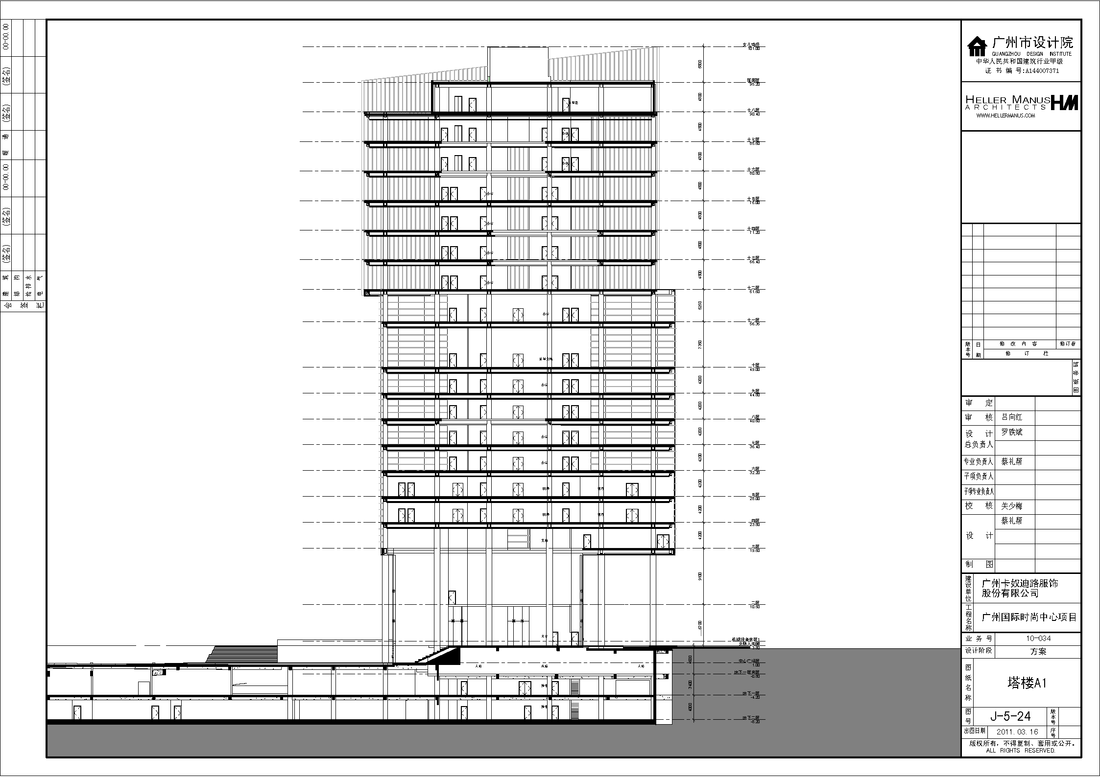
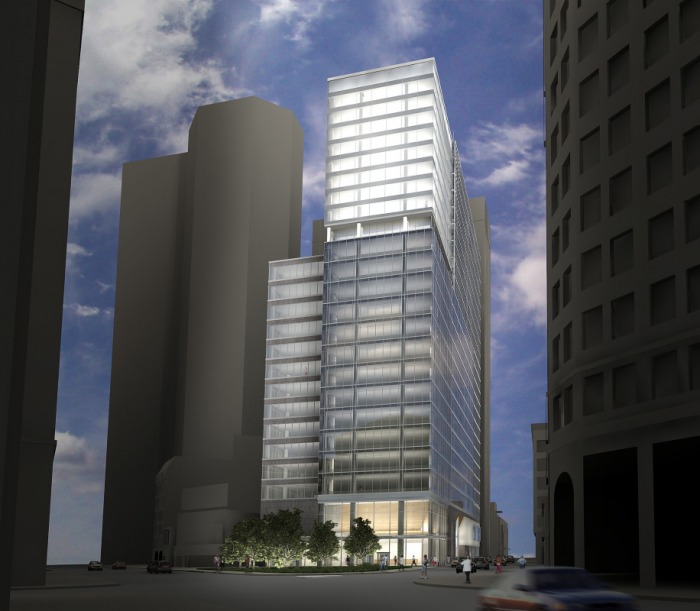
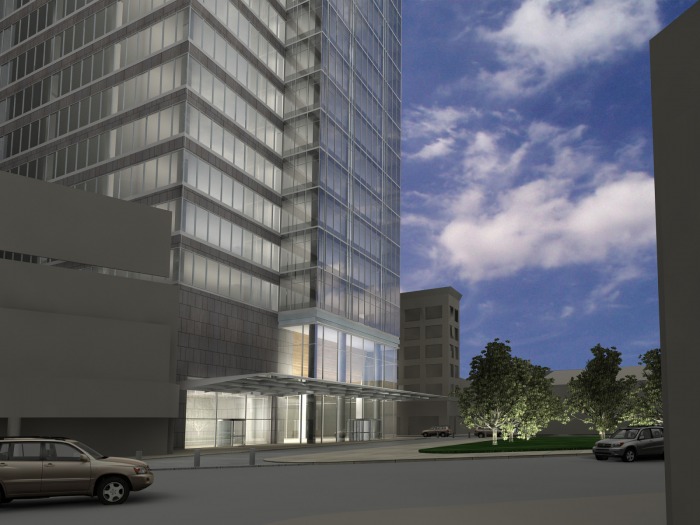
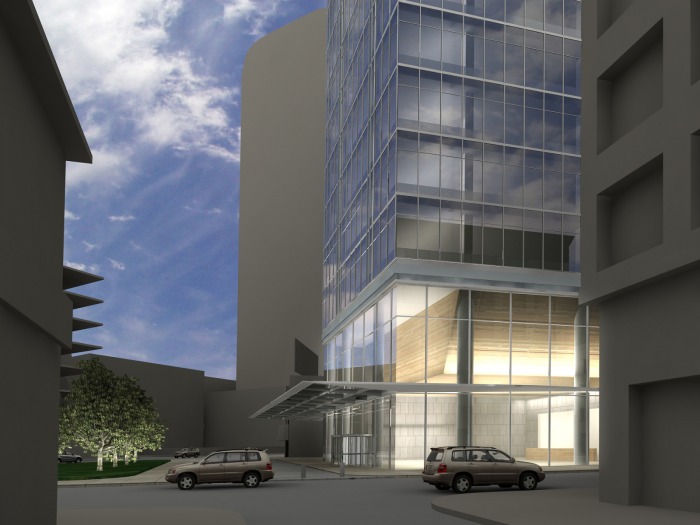
Guangzhou Canudilo Fashion Center, China [while at Heller Manus]

6/1/2011

 
I have helped develop the SD set for these high-rise buildings, including the core design in Revit.

Three PNC Plaza, Pittsburgh [While at Gensler]

2/15/2006

 
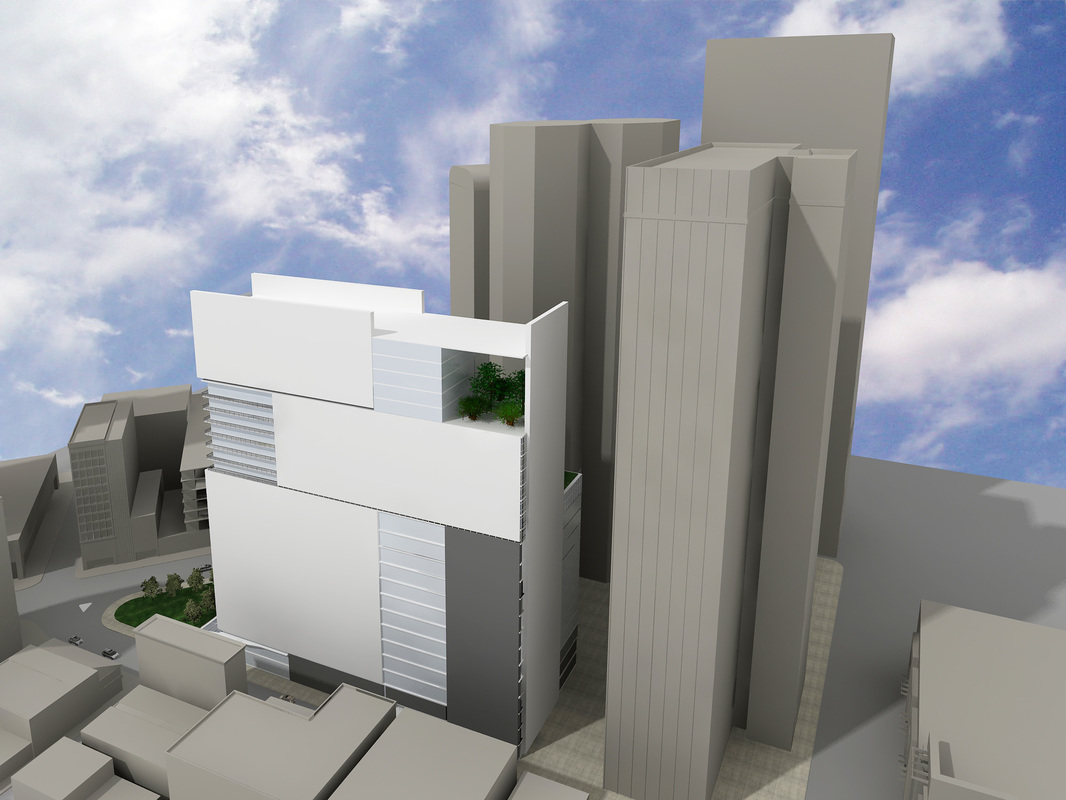
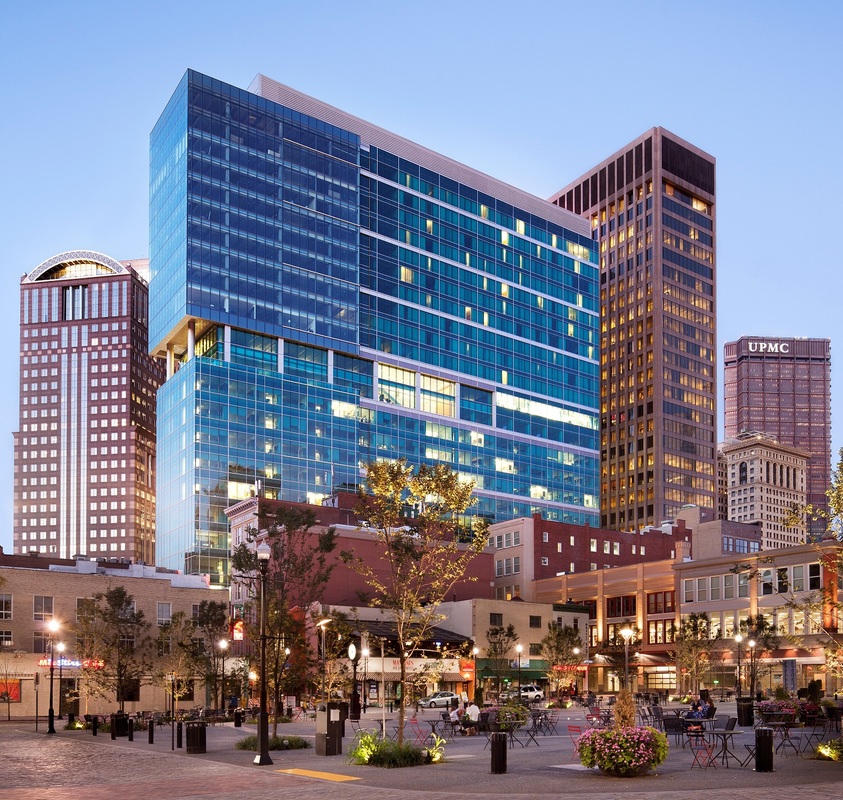
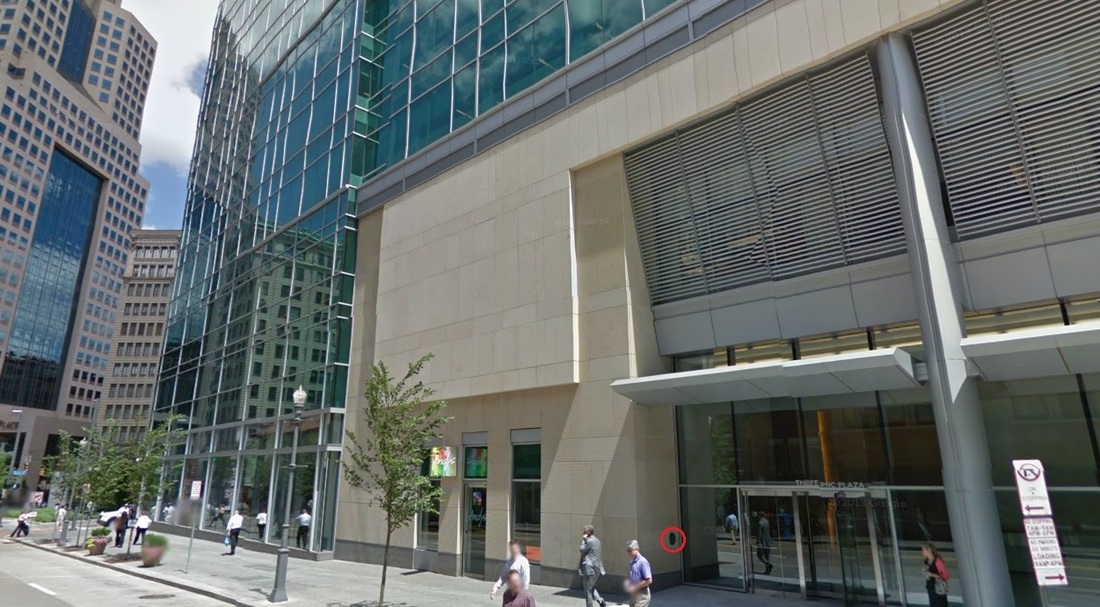
750,000 Sq.Ft. - $179M - I have been involved during Design Development for this mixed use high-rise building, supporting the senior designer in the development, selection and visualization of the final scheme.

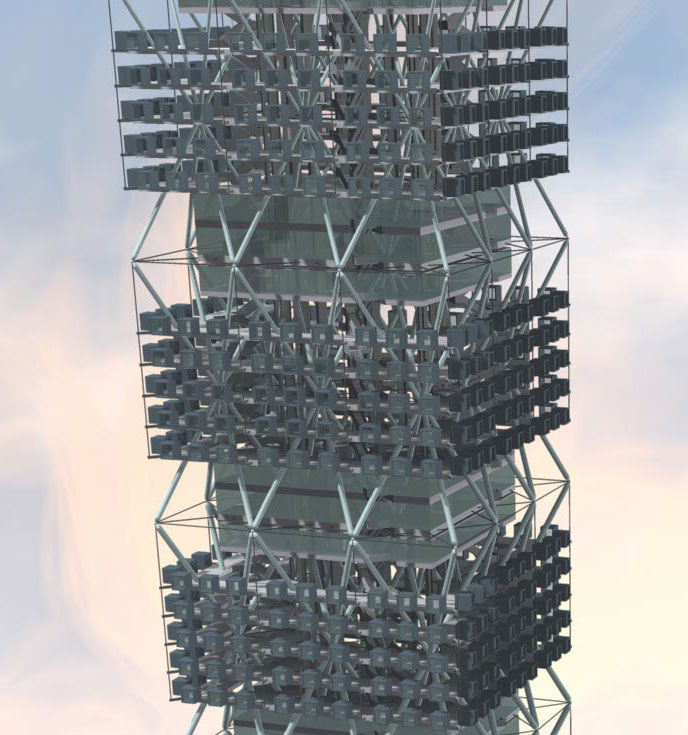
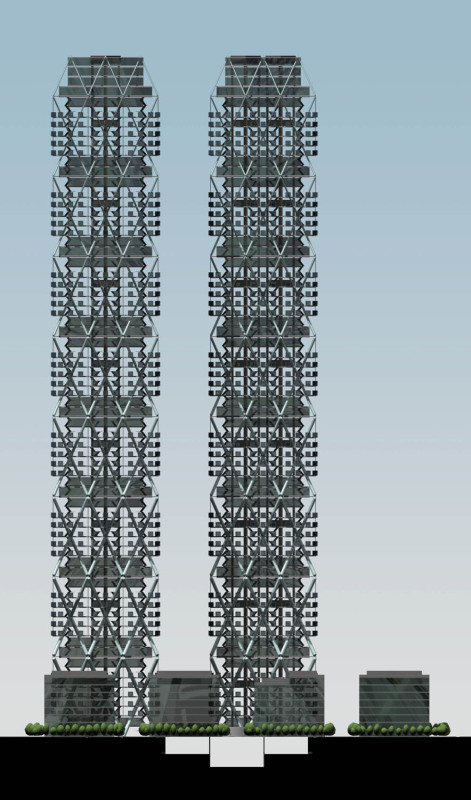
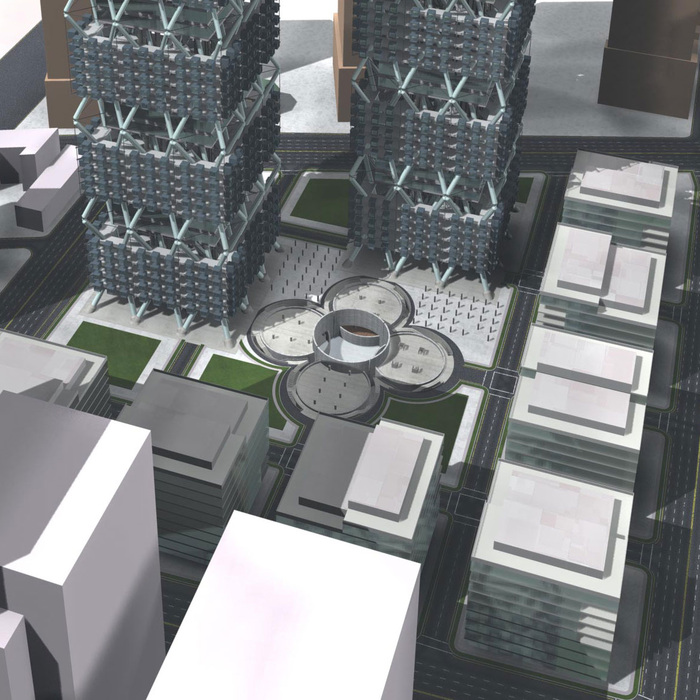
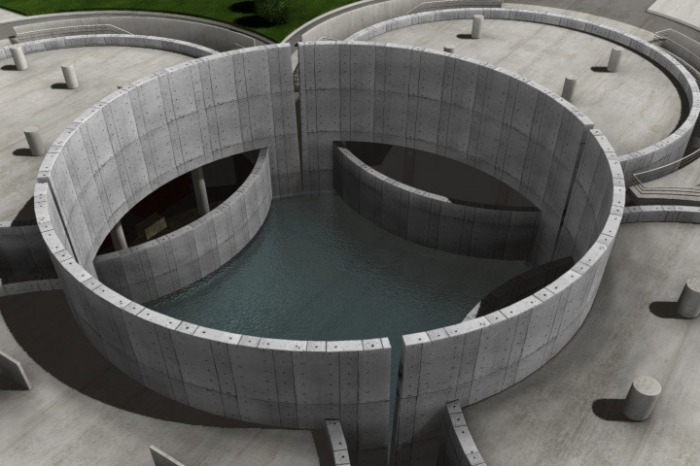
New York Ground Zero [While at GS Design]

1/26/2003

 
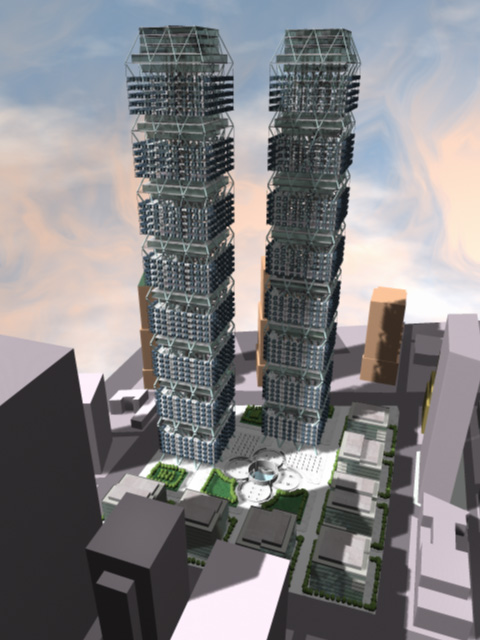
This is my proposal for rebuilding New-York Ground Zero. I also produced the animation below.

    projects by tags:

    All
    Built
    Green
    Revit
    Role: Animation
    Role: BIM Lead
    Role: Concept Design
    Role: Constr. Admin.
    Role: Constr. Documents
    Role: Design Developm.
    Role: Photography
    Role: Schematic Design
    Role: Visualization
    Type: Civic
    Type: Commercial
    Type: Corporate
    Type: Healthcare
    Type: High Rise
    Type: Hospitality
    Type: Interior
    Type: Justice
    Type: Master Plan
    Type: Public
    Type: Residential
    Type: Retail
    Type: School K-12
    Type: Transportation
    While At: Brick
    While At: Chong Partners
    While At: Consulting
    While At: Fuksas
    While At: Gensler
    While At: GS Design
    While At: Heller Manus
    While At: HOK
    While At: Perkins&Will
    While At: School
    While At: Shah Kawasaki
    While At: Smithgroup
    While At: Stantec
    While At: Steinberg Hart
    While At: StewartΣSucci

    projects by date:

    October 2022
    May 2022
    June 2020
    August 2019
    December 2018
    November 2018
    October 2018
    August 2018
    July 2018
    June 2018
    January 2018
    May 2017
    March 2017
    February 2017
    November 2016
    May 2016
    February 2016
    January 2016
    February 2015
    September 2014
    December 2013
    November 2013
    September 2013
    June 2013
    July 2012
    October 2011
    September 2011
    July 2011
    June 2011
    March 2011
    November 2010
    August 2010
    March 2010
    February 2010
    November 2009
    August 2009
    June 2009
    February 2009
    December 2008
    September 2008
    June 2008
    December 2007
    November 2007
    September 2007
    June 2007
    May 2007
    March 2007
    June 2006
    February 2006
    January 2006
    December 2005
    July 2005
    June 2005
    April 2005
    April 2004
    February 2004
    November 2003
    January 2003
    December 2002
    September 2001
    February 2001
    March 2000
    July 1999


    RSS Feed

Proudly powered by Weebly
  • HOME
  • PORTFOLIO
    • PROJECTS
    • VISUALIZATIONS
    • OTHER 3D
    • PHOTOGRAPHY
  • RESUME
    • FULL RESUME
  • REVIT BLOG